Alpine Mountain Ranges
Alpine mountain ranges are majestic and awe-inspiring habitats, characterized by their high altitudes, harsh climates, and unique biodiversity. These environments are found across the globe, from the towering Himalayas to the rugged European Alps, the majestic North American Rockies, and the dramatic South American Andes. They typically begin above the treeline, where forests give way to grasslands, shrubs, and eventually, bare rock and permanent snowfields.
Life in alpine regions is a testament to resilience. Plants here are often low-growing, with adaptations like thick leaves, deep root systems, and a short growing season to survive extreme temperatures, strong winds, and intense UV radiation. Examples include cushion plants, alpine grasses, and colorful wildflowers that burst into bloom during the brief summer months. These flora provide essential sustenance for specialized alpine fauna.
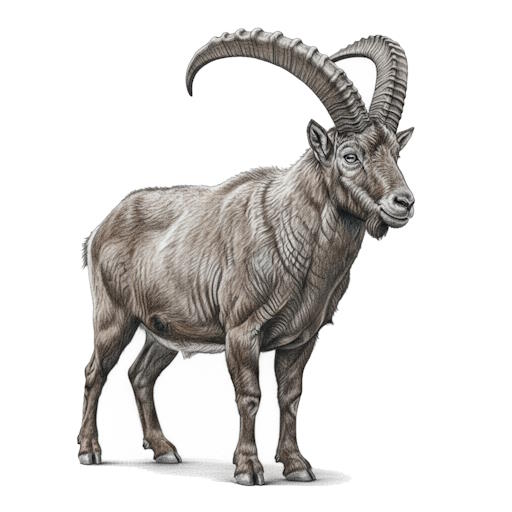
Animals inhabiting alpine mountain ranges have also evolved remarkable strategies to cope with the challenging conditions. Mammals like mountain goats, bighorn sheep, and marmots possess thick coats, efficient respiratory systems, and often, specialized hooves for navigating rocky terrain. Birds such as eagles, choughs, and various finches are well-adapted to high-altitude flight and foraging. Even insects and small invertebrates find niches, often seeking shelter under rocks or within vegetation.
The climate is a dominant force in shaping alpine habitats. Winters are long and severe, with heavy snowfall and freezing temperatures. Summers are short, cool, and often windy, but they offer a burst of life and activity. Daily temperature fluctuations can be extreme, with warm, sunny days quickly turning into cold, stormy nights. The thin air and increased solar radiation at high altitudes also contribute to the unique environmental pressures.
Alpine mountain ranges are not only important for their unique ecosystems but also play a crucial role in global water cycles, acting as vast reservoirs of snow and ice that feed rivers and streams in lower elevations. They are also vital for recreational activities like hiking, climbing, and skiing, attracting millions of visitors annually. However, these fragile environments are increasingly threatened by climate change, leading to glacier melt, permafrost thaw, and shifts in species distribution. Conservation efforts are crucial to protect these incredible and vulnerable natural wonders for future generations.
Other Habitats
There are lots of other habitats to explore. Check out all of our habitats for more info.
Animals which live in Alpine Mountain Ranges Habitat
Click on an image to learn more about one of the animals.