Andean Cloud Forests
Andean cloud forests are ethereal ecosystems shrouded in persistent mist and fog, clinging to the slopes of the Andes Mountains across South America. These unique habitats thrive at elevations typically ranging from 1,000 to 3,000 meters (3,300 to 9,800 feet), where moisture-laden air from the Amazon basin condenses against the mountain barriers, creating a perpetually humid environment. This constant moisture is a defining characteristic, fostering an incredible biodiversity that is often hidden within the swirling mists.
The dense canopy of Andean cloud forests is a mosaic of ancient trees, many adorned with an astonishing array of epiphytes, plants that grow on other plants, like orchids, bromeliads, mosses, and ferns. These epiphytes, dependent on the atmospheric moisture, create a "forest within a forest," providing microhabitats for countless insects, amphibians, and small mammals. The understory is equally rich, with a diverse mix of shrubs, ground ferns, and vibrant flowering plants adapted to the low light and high humidity.
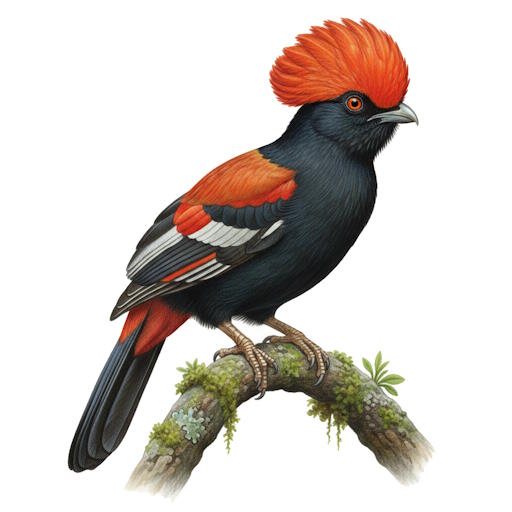
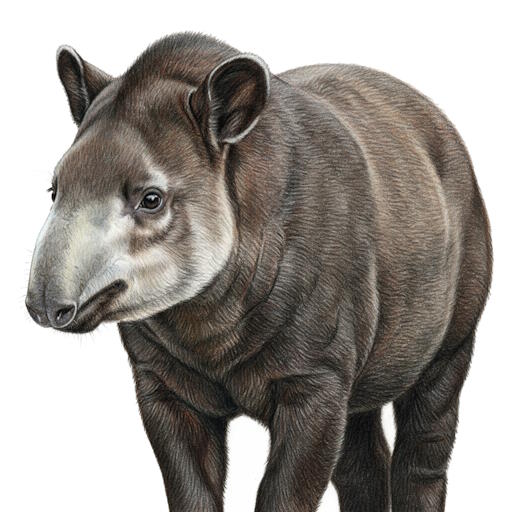
Andean cloud forests are global hotspots for biodiversity, particularly for birds and amphibians. Many species found here are endemic, meaning they exist nowhere else on Earth. Iconic birds such as the Resplendent Quetzal, Andean Cock-of-the-Rock, and various hummingbird species flit through the misty branches, their vibrant colors a striking contrast to the verdant surroundings. These forests also harbor a significant number of rare and threatened species, including spectacled bears, pumas, and a wealth of unique frog and salamander species.
The ecological importance of Andean cloud forests extends far beyond their biodiversity. They play a crucial role in regional hydrological cycles, acting as natural sponges that capture and filter vast amounts of water from the clouds. This water then slowly releases into rivers and streams, providing a vital fresh water supply to downstream communities and ecosystems, including major cities. The dense vegetation also helps stabilize mountain slopes, preventing erosion and mitigating the risk of landslides.
Despite their ecological significance, Andean cloud forests are highly vulnerable to various threats. Deforestation for agriculture, cattle ranching, and logging fragments these delicate habitats. Climate change poses a significant risk, as rising temperatures can push the cloud base higher, effectively shrinking the suitable habitat for moisture-dependent species. Conservation efforts are crucial to protect these invaluable ecosystems, which provide essential services and are home to a truly extraordinary array of life. Ecotourism initiatives and sustainable land management practices offer hope for the future of these magnificent, mist-shrouded forests.
Other Habitats
There are lots of other habitats to explore. Check out all of our habitats for more info.
Animals which live in Andean Cloud Forests Habitat
Click on an image to learn more about one of the animals.