Andean Highlands
The Andean Highlands, a majestic and ecologically diverse habitat, stretch across South America, encompassing an array of breathtaking landscapes from high-altitude plateaus and intermontane valleys to snow-capped peaks. This unique environment is characterized by its significant elevation, often exceeding 3,000 meters (10,000 feet) above sea level, leading to distinct climatic conditions. The thin air, intense solar radiation, and dramatic temperature fluctuations between day and night create a challenging yet remarkably resilient ecosystem.
Vegetation in the Andean Highlands varies greatly with altitude and local conditions. Lower slopes and valleys may feature montane forests, while higher elevations transition into paramo and puna grasslands. The paramo, a high-altitude neotropical ecosystem, is distinguished by its unique tussock grasses, cushion plants, and giant rosette plants, adapted to the cold and humid climate. The puna, found in drier, higher regions, is dominated by sparse grasses and shrubs. These plant communities provide essential sustenance and shelter for a specialized array of wildlife.
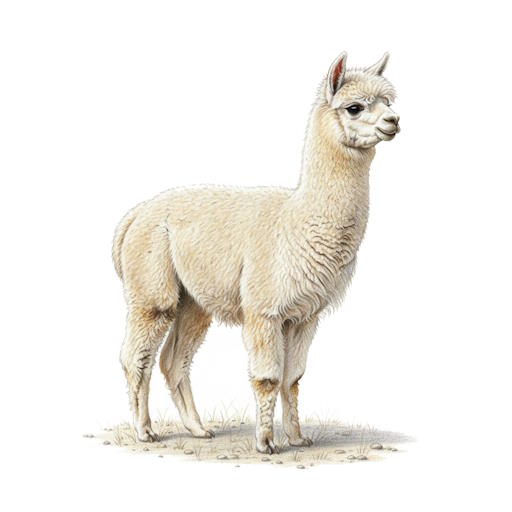
The fauna of the Andean Highlands has evolved remarkable adaptations to survive in this extreme environment. Iconic species such as the vicuña, guanaco, and alpaca, all camelids, are well-suited to the high altitudes with their efficient oxygen uptake and thick coats. The majestic Andean condor, one of the world's largest flying birds, soars effortlessly above the peaks, a symbol of the region's wild grandeur. Other notable residents include various species of hummingbirds, foxes, and a diverse range of amphibians and reptiles, many of which are endemic.
Human communities have also thrived in the Andean Highlands for millennia, developing unique agricultural practices and cultural traditions in harmony with the challenging terrain. Ancient civilizations, like the Incas, built sophisticated societies that adapted to the altitude and utilized the diverse resources of the mountains. Today, indigenous communities continue to practice traditional farming methods, cultivating crops like potatoes and quinoa, which are well-suited to the highland climate.
The Andean Highlands face significant environmental challenges, including climate change, deforestation, and unsustainable land use practices. These threats impact both the delicate ecosystems and the livelihoods of local communities. Conservation efforts are crucial to protect the unique biodiversity and cultural heritage of this globally important region, ensuring the continued health and resilience of the Andean Highlands for future generations.
Other Habitats
There are lots of other habitats to explore. Check out all of our habitats for more info.
Animals which live in Andean Highlands Habitat
Click on an image to learn more about one of the animals.