Andean mountain range
Stretching over 7,000 kilometers along the western coast of South America, the Andean Mountain Range is the longest continental mountain range in the world and a true marvel of nature. More than just a formidable geological feature, the Andes represent an extraordinary habitat, characterized by an incredible diversity of ecosystems and an unparalleled richness in species, many of which are found nowhere else on Earth.
From the arid high-altitude deserts and the unique páramo grasslands to lush cloud forests and dense temperate forests, the Andean mountain range encompasses a vast array of microclimates and environmental conditions. This dramatic variation in elevation and climate has fostered a mosaic of habitats, each supporting a distinct community of flora and fauna. The biodiversity here is astounding, making the Andes one of the world's most critical biodiversity hotspots.
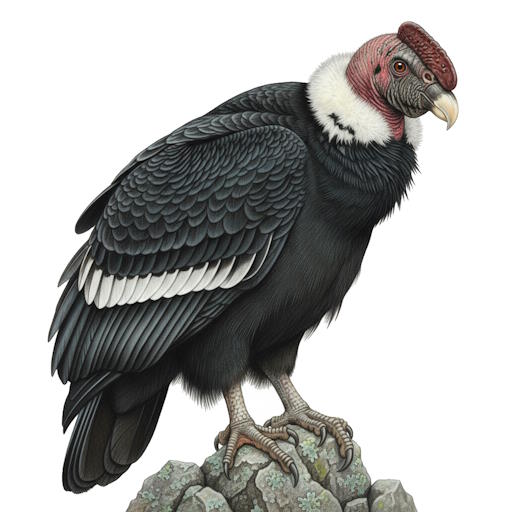
The Andes are home to iconic wildlife such as the majestic Andean condor soaring high above the peaks, the elusive puma, and the charming spectacled bear, South America's only bear species. Unique plant life, including thousands of orchid varieties and the distinctive Puya raimondii, a giant bromeliad that can live for over 100 years, thrive in these challenging environments. The sheer scale of endemic species—those found exclusively in this region—underscores the irreplaceable ecological value of this habitat.
Beyond its natural beauty and biological significance, the Andean mountain range plays a vital role in the continent's hydrology, being the source of numerous rivers, including tributaries of the Amazon. It also provides essential ecosystem services, from climate regulation to water provision for millions of people living in and around the range. Understanding and protecting the delicate balance of the Andean ecosystem is paramount for global biodiversity and the well-being of local communities.
The challenges facing the Andean mountain range are significant, including climate change, deforestation, and habitat fragmentation. Conservation efforts are crucial to preserve its unique landscapes and the invaluable biodiversity it supports. By appreciating the complexity and importance of this magnificent habitat, we can contribute to its enduring protection for future generations.
Other Habitats
There are lots of other habitats to explore. Check out all of our habitats for more info.
Animals which live in Andean mountain range Habitat
Click on an image to learn more about one of the animals.