Arctic sea ice
The Arctic sea ice habitat is a dynamic and extreme environment found in the Earth's polar regions, particularly around the North Pole. This vast, frozen expanse is characterized by its ever-changing nature, constantly forming, melting, and shifting with the seasons and ocean currents. It encompasses both multi-year ice, which persists through several melt seasons, and first-year ice, which forms annually.
Far from being a barren wasteland, Arctic sea ice is a crucial and complex ecosystem supporting a diverse array of life. At the base of this intricate food web are ice algae and phytoplankton, which thrive in the nutrient-rich waters beneath and within the ice. These primary producers form the foundation for zooplankton, which in turn are consumed by various fish species. The presence of cracks, leads, and open water areas within the ice provide vital access points for marine mammals and birds to hunt and breathe.
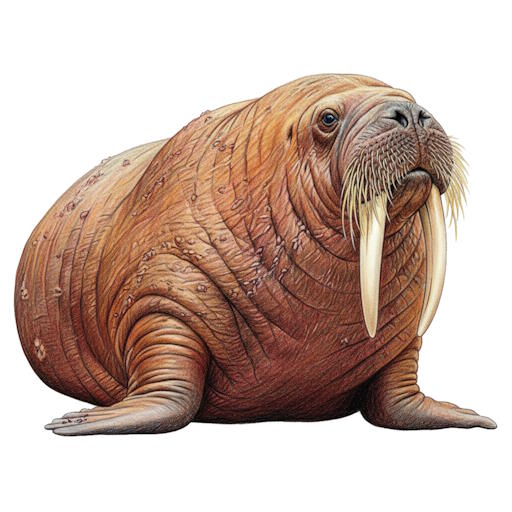
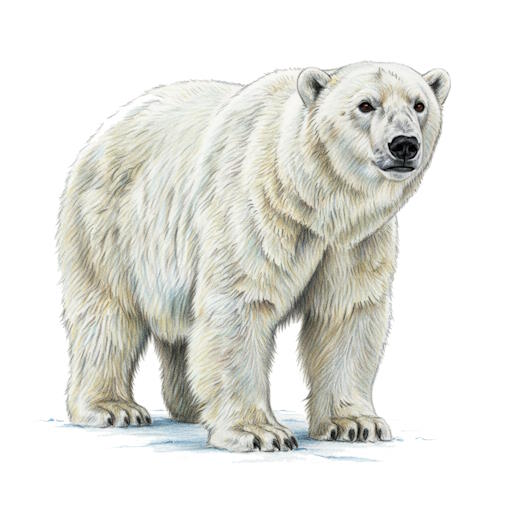
Iconic inhabitants of the Arctic sea ice include the polar bear, a apex predator uniquely adapted to life on the ice, relying on it as a platform for hunting seals. Ringed seals, bearded seals, and harp seals also call this habitat home, using the ice for resting, breeding, and giving birth to their pups. Various whale species, such as narwhals and belugas, navigate through the ice-covered waters, while numerous seabirds nest on nearby coastal cliffs and forage in the open leads.
Beyond its ecological significance, Arctic sea ice plays a critical role in regulating global climate. Its bright, reflective surface, known as the albedo effect, reflects solar radiation back into space, helping to keep the Earth cool. As the ice melts due to rising global temperatures, more dark ocean water is exposed, which absorbs more sunlight, leading to further warming and a feedback loop that accelerates ice loss. This phenomenon has profound implications for global weather patterns, sea levels, and coastal communities worldwide.
The Arctic sea ice habitat is currently facing unprecedented threats from climate change. Rising temperatures are causing the ice to thin and recede at an alarming rate, impacting the delicate balance of the ecosystem and threatening the survival of ice-dependent species. Scientific research and conservation efforts are crucial to understanding and protecting this unique and vital polar environment for future generations.
Other Habitats
There are lots of other habitats to explore. Check out all of our habitats for more info.
Animals which live in Arctic sea ice Habitat
Click on an image to learn more about one of the animals.