Arid Grasslands
Arid grasslands are unique and resilient ecosystems characterized by sparse vegetation and low rainfall, typically receiving less than 500mm of precipitation annually. Despite the harsh conditions, these landscapes are teeming with life, showcasing incredible adaptations by plants and animals to survive and thrive.
Characteristics of Arid Grasslands
These grasslands are often found in continental interiors, rain shadows of mountain ranges, or along the fringes of deserts. The dominant vegetation consists of drought-resistant grasses, interspersed with shrubs and occasional hardy trees. Soil types vary but are generally well-drained and often nutrient-poor. Temperatures can fluctuate dramatically, with hot days and cool nights, and seasonal variations can be extreme.
Flora and Fauna Adaptations
Life in arid grasslands is a testament to natural selection. Plants, such as various species of bunchgrasses, cacti, and thorny shrubs, have developed mechanisms like deep root systems to access groundwater, succulent leaves to store water, or a short growth cycle to capitalize on fleeting rain. Animals, too, exhibit remarkable adaptations:
- Mammals: Many, like kangaroos, gazelles, and various rodents, are nocturnal to avoid the searing daytime heat. Some, such as prairie dogs and meerkats, live in elaborate burrows for shelter.
- Birds: Species like bustards, larks, and various raptors are well-suited to open landscapes, often finding food on the ground.
- Reptiles and Insects: Snakes, lizards, and numerous insect species are common, many of which can survive on minimal water intake.
Ecological Importance and Threats
Arid grasslands play a crucial role in global biodiversity, supporting a unique array of species. They also contribute to carbon sequestration and provide grazing lands in many parts of the world. However, these fragile ecosystems face significant threats, including:
- Climate Change: Increased temperatures and altered rainfall patterns exacerbate drought conditions.
- Overgrazing: Unsustainable livestock grazing can lead to soil erosion and desertification.
- Habitat Loss: Conversion of grasslands for agriculture or urban development.
- Invasive Species: Non-native plants can outcompete native vegetation, disrupting the ecosystem.
Conservation efforts for arid grasslands focus on sustainable land management, protecting key species, and restoring degraded areas to preserve these vital habitats for future generations.
Other Habitats
There are lots of other habitats to explore. Check out all of our habitats for more info.
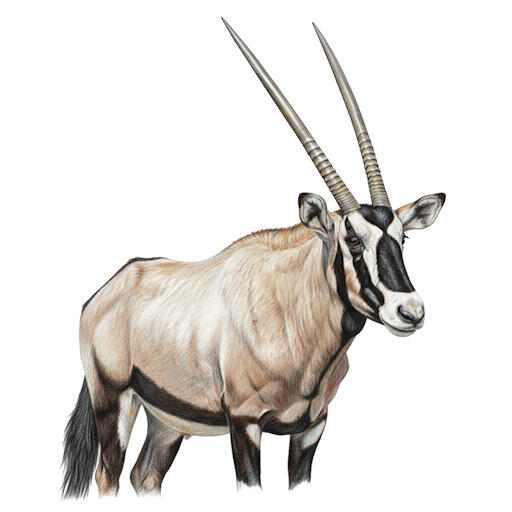
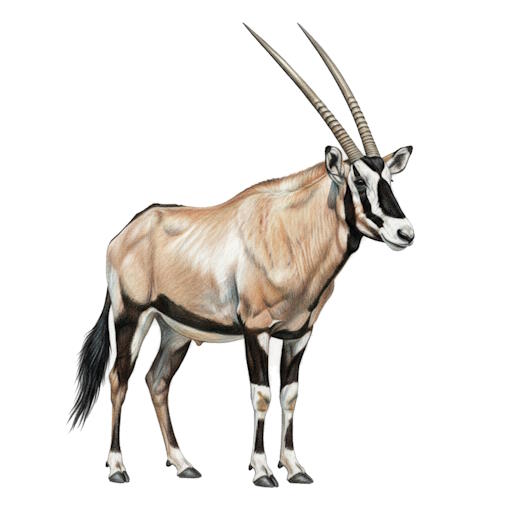
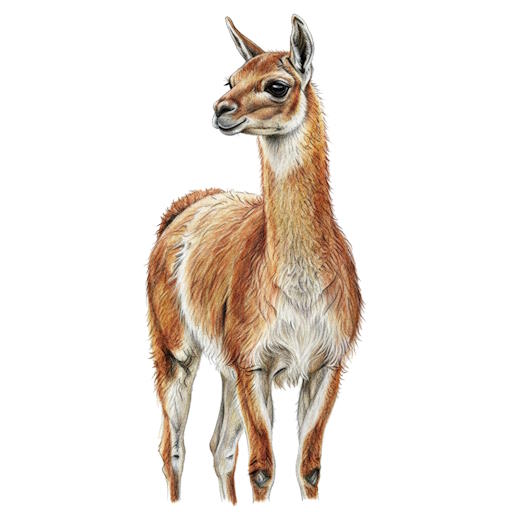
Animals which live in Arid Grasslands Habitat
Click on an image to learn more about one of the animals.