Arid regions
Arid regions, commonly known as deserts, are characterized by extremely low precipitation and sparse vegetation. These environments, covering roughly one-third of the Earth's land surface, are defined by their aridity index, which measures the ratio of precipitation to potential evapotranspiration. True deserts receive less than 250 millimeters (10 inches) of annual rainfall, leading to unique ecological adaptations among the flora and fauna that call them home.
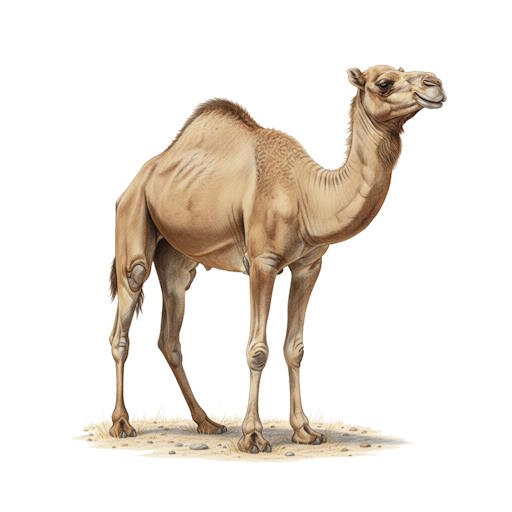
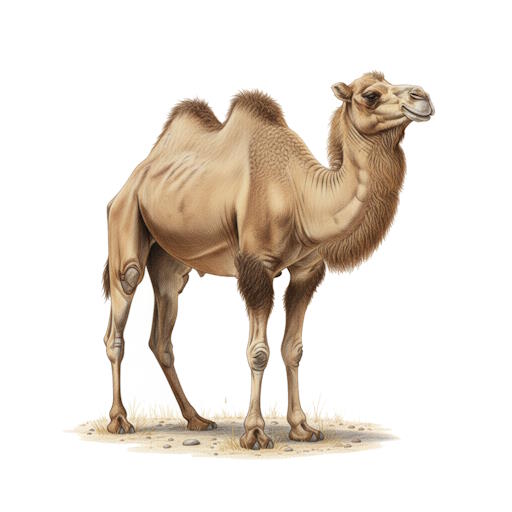
Despite their harsh conditions, arid regions are teeming with life. Plants like cacti, succulents, and various xerophytes have developed remarkable strategies to conserve water, such as deep root systems, fleshy stems for water storage, and reduced leaf surfaces to minimize transpiration. Many desert animals are nocturnal, escaping the intense daytime heat by foraging during cooler hours. Examples include desert foxes, various rodents, reptiles like lizards and snakes, and certain bird species. Some animals, such as the camel, are iconic for their incredible adaptations to desert survival, including their ability to store water and withstand extreme temperatures.
Arid regions are not uniform; they encompass a variety of landscapes including sand dunes (erg), rocky plateaus (hamada), gravel plains (serir), and salt flats. Each of these sub-habitats supports a slightly different array of life. The Sahara Desert in Africa, the Atacama Desert in South America, and the Arabian Desert in the Middle East are prime examples of the vast and diverse arid regions globally. These areas play a crucial role in global climate patterns and atmospheric circulation.
Human activities in arid regions often revolve around limited water resources. Oases, naturally occurring water sources, have historically been vital hubs for human settlements and trade routes. Today, modern technologies allow for irrigation and agriculture in some desert fringes, though this can lead to issues like salinization and desertification if not managed sustainably. Resource extraction, particularly oil and gas, also occurs in many arid regions, bringing both economic benefits and environmental challenges.
Conservation in arid regions focuses on protecting fragile ecosystems from overgrazing, unsustainable water use, and climate change. As global temperatures rise, many semi-arid areas are becoming increasingly arid, expanding the reach of desert environments. Understanding and preserving these unique habitats is crucial for maintaining biodiversity and ecological balance on a planetary scale. The stark beauty and incredible resilience of life in arid regions offer valuable lessons in adaptation and survival.
Other Habitats
There are lots of other habitats to explore. Check out all of our habitats for more info.
Animals which live in Arid regions Habitat
Click on an image to learn more about one of the animals.