Bridges
Bridges, often seen solely as human infrastructure, represent a surprisingly diverse and critical habitat for a wide array of species. Far from being barren concrete or steel structures, bridges can offer shelter, nesting sites, and foraging opportunities, creating unique ecological niches within both urban and natural landscapes. Their elevated positions often provide safety from ground predators and human disturbance, making them attractive to certain wildlife.
Avian Sanctuaries
For many bird species, bridges are ideal nesting locations. Swallows, specifically barn swallows and cliff swallows, are renowned for building their mud nests underneath bridge eaves and ledges. The sheltered, stable surfaces protect their nests from the elements and predators. Pigeons and starlings also frequently roost and nest on bridge girders and supports. Larger bridges, especially those spanning rivers or coastal areas, can even attract peregrine falcons, which utilize the high vantage points for hunting and nesting ledges that mimic natural cliffs.
Mammalian Hideaways
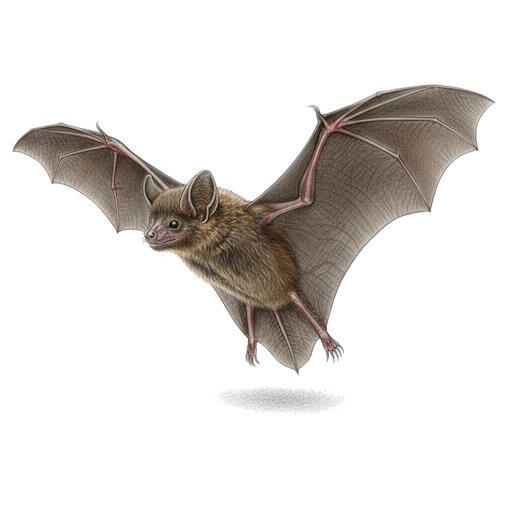
While less obvious, bridges also provide habitat for various mammals. Bats are particularly drawn to the dark, cool, and relatively undisturbed crevices and expansion joints found beneath bridges. These spaces offer excellent roosting sites for day and night, and many bat species will use bridges as maternity colonies. Smaller mammals like rats and mice can find shelter within bridge abutments and associated debris, while larger bridges in more rural settings might see raccoons or even foxes utilizing the underpasses for travel and occasional denning.
Aquatic and Invertebrate Life
Bridges over water bodies play a crucial role in supporting aquatic ecosystems. The shade cast by bridges can create cooler microclimates in rivers and streams, which can be beneficial for fish and other aquatic organisms during hot periods. The bridge structures themselves can also provide substrate for algae and invertebrates, forming the base of a food web. Furthermore, the pilings and underwater components can serve as attachment points for mussels, barnacles, and other sessile organisms, enriching the biodiversity of the aquatic environment. Terrestrial invertebrates, such as spiders and various insects, also thrive in the sheltered nooks and crannies of bridge structures, often forming an important food source for the birds and bats that reside there.
Ecological Corridors and Connectivity
Beyond offering direct habitat, bridges often serve as vital ecological corridors, facilitating the movement of wildlife across otherwise impassable barriers like rivers, highways, or urban sprawl. This connectivity is crucial for maintaining genetic diversity and allowing species to access different parts of their home range or migrate. Understanding the ecological value of bridges is essential for urban planning and conservation efforts, as their design and maintenance can significantly impact the biodiversity they support.
Bridges are far more than just transportation routes; they are dynamic ecosystems that offer invaluable refuge and resources for a surprising variety of wildlife, contributing significantly to the ecological fabric of both natural and human-dominated landscapes.
Other Habitats
There are lots of other habitats to explore. Check out all of our habitats for more info.
Animals which live in Bridges Habitat
Click on an image to learn more about one of the animals.