Buildings
Buildings as Habitats: An Urban Ecosystem
While often perceived as purely human constructs, buildings worldwide serve as surprisingly diverse and vital habitats for a vast array of species. From bustling metropolises to quiet rural structures, these man-made environments offer shelter, nesting sites, and foraging opportunities, creating unique urban and suburban ecosystems. Understanding buildings as habitats is crucial for promoting biodiversity and implementing sustainable urban planning.
One of the most common inhabitants of buildings are various species of birds. Pigeons, sparrows, and starlings frequently nest on ledges, in eaves, and within ventilation systems. Larger raptors, such as peregrine falcons, have famously adapted to urban life, utilizing tall buildings as substitutes for cliffs, offering ideal vantage points for hunting and secure nesting sites. These avian residents contribute to local ecosystems by controlling insect populations and dispersing seeds.
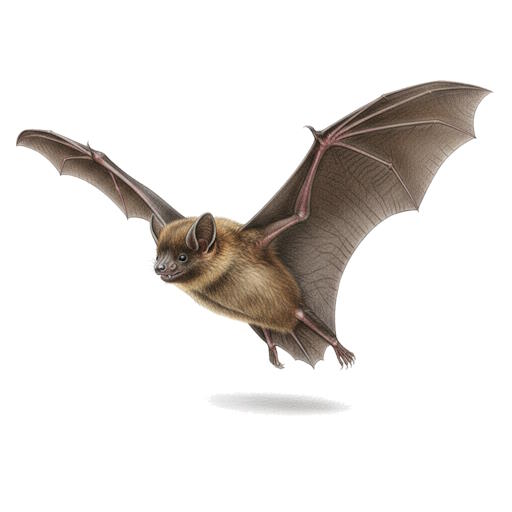
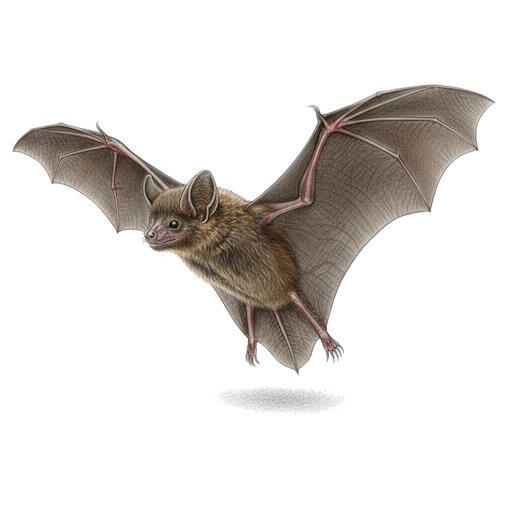
Mammals also find refuge in buildings. Rodents like mice and rats are well-known, often inhabiting basements, attics, and wall cavities, where they find warmth and food. While sometimes considered pests, they are a food source for urban predators like owls and foxes. Bats are another significant group, frequently roosting in attics, abandoned buildings, and even the gaps within modern structures. These nocturnal creatures play a critical role in insect control, consuming thousands of mosquitoes and other agricultural pests nightly.
Beyond birds and mammals, an intricate world of invertebrates thrives within buildings. Spiders weave webs in corners, preying on flies and other small insects. Various insect species, including moths, beetles, and ants, utilize buildings for shelter, breeding, and food sources. Even seemingly barren concrete structures can host lichens and mosses, providing micro-habitats for smaller organisms.
The adaptation of wildlife to built environments highlights the resilience and opportunism of nature. However, it also presents challenges. Human-wildlife conflicts can arise, particularly with species that might be perceived as nuisances or health risks. Conversely, many species relying on buildings face threats from habitat loss due to demolition, renovation, and modern construction techniques that offer fewer nooks and crannies for wildlife. Sustainable building practices, such as incorporating green roofs, swift bricks, and bat boxes, can mitigate these impacts and foster a more harmonious coexistence.
Buildings are far more than just human dwellings; they are dynamic habitats that support a surprising level of biodiversity. Recognizing and managing these urban ecosystems responsibly is essential for the health of both human and wildlife populations in our increasingly built world. By designing and maintaining structures with wildlife in mind, we can create more sustainable and biodiverse urban landscapes.
Other Habitats
There are lots of other habitats to explore. Check out all of our habitats for more info.
Animals which live in Buildings Habitat
Click on an image to learn more about one of the animals.