Cloud forests
Cloud forests, also known as fog forests, are unique and enchanting ecosystems characterized by persistent, frequent, or seasonal low-level cloud cover, usually at the canopy level. These rare forests are typically found in tropical and subtropical mountainous regions, at altitudes ranging from 500 to 4000 meters above sea level, where atmospheric conditions create a perpetual mist and high humidity. This constant moisture plays a critical role in sustaining their extraordinary biodiversity and ecological processes.
The defining feature of cloud forests is the presence of epiphytes, plants like mosses, lichens, ferns, and orchids that grow on other plants, primarily trees, without being parasitic. These epiphytes thrive in the humid, misty environment, often forming dense, verdant mats that cover tree trunks and branches. This abundance of epiphytic growth contributes significantly to the forest's unique aesthetic and its ecological complexity. The canopy itself is often less dense and shorter than that of lowland rainforests, allowing more light to penetrate and support a diverse understory.
Beyond their visual appeal, cloud forests are vital for numerous reasons. They act as natural sponges, intercepting moisture from the clouds and slowly releasing it into streams and rivers, providing crucial water resources for downstream communities and ecosystems. This hydrological function makes them essential for watershed protection and freshwater supply. Their high biodiversity, often including many endemic species, makes them hotspots for conservation. Many unique and specialized flora and fauna, from colorful birds and amphibians to rare invertebrates, have evolved to thrive in these specific conditions.
However, cloud forests are among the most threatened ecosystems globally. Climate change, leading to rising temperatures and altered cloud patterns, poses a significant threat. As the cloud base rises, these forests may dry out, making them vulnerable to fires and the loss of their specialized epiphytic communities. Deforestation for agriculture, logging, and infrastructure development further exacerbates their decline. Protecting cloud forests is not only about preserving biodiversity; it's about safeguarding essential water sources and maintaining ecological balance in sensitive mountain regions.
Other Habitats
There are lots of other habitats to explore. Check out all of our habitats for more info.
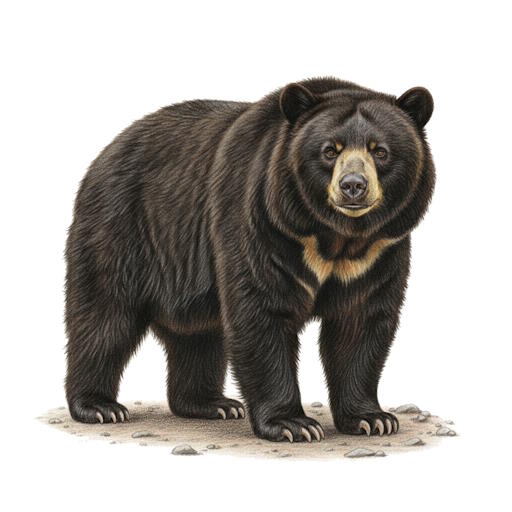
Animals which live in Cloud forests Habitat
Click on an image to learn more about one of the animals.