Coastal
Coastal habitats are dynamic and diverse ecosystems found where land meets the sea. These areas are constantly shaped by the interplay of terrestrial and marine forces, including tides, waves, wind, and freshwater runoff. They encompass a wide array of environments, from sandy beaches and rocky shores to salt marshes, estuaries, and mangrove forests, each supporting unique communities of flora and fauna.
The ecological significance of coastal habitats is immense. They serve as crucial breeding grounds, nurseries, and feeding areas for countless species of fish, birds, marine mammals, and invertebrates. For instance, estuaries, where rivers meet the sea, are highly productive zones rich in nutrients, supporting diverse food webs. Mangrove forests, found in tropical and subtropical coastal areas, act as natural barriers, protecting shorelines from erosion and storm surges while providing vital habitats for many aquatic and terrestrial species.
Beyond their ecological value, coastal habitats offer significant benefits to human societies. They provide essential ecosystem services such as water filtration, flood control, and carbon sequestration. Economically, coastal areas are vital for tourism, recreation, fishing, and aquaculture, supporting livelihoods for millions worldwide. Culturally, many human communities have deep historical and spiritual connections to their local coastlines.
However, coastal habitats face numerous threats from human activities. Climate change, leading to rising sea levels and more frequent extreme weather events, poses a significant risk. Pollution from urban and agricultural runoff, plastic debris, and industrial discharges degrades water quality and harms marine life. Coastal development, including urbanization and infrastructure projects, often results in habitat loss and fragmentation. Overfishing and unsustainable resource extraction further stress these delicate ecosystems.
Conservation efforts for coastal habitats are therefore critical. These include establishing marine protected areas, restoring degraded ecosystems like salt marshes and mangroves, implementing sustainable fishing practices, and reducing pollution. Protecting and managing coastal habitats effectively requires integrated approaches that consider both ecological and socioeconomic factors, fostering collaboration between governments, local communities, scientists, and conservation organizations to ensure the long-term health and resilience of these invaluable environments.
Other Habitats
There are lots of other habitats to explore. Check out all of our habitats for more info.
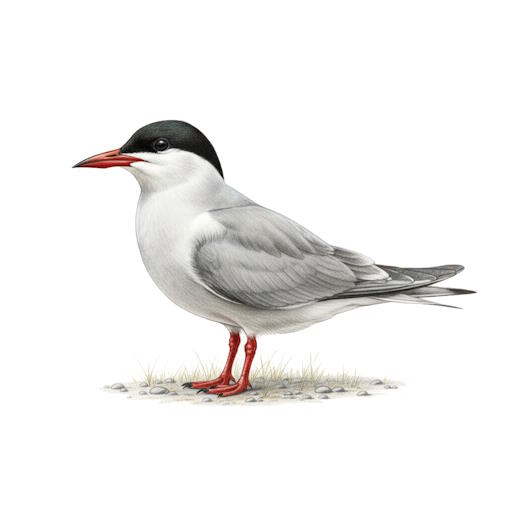
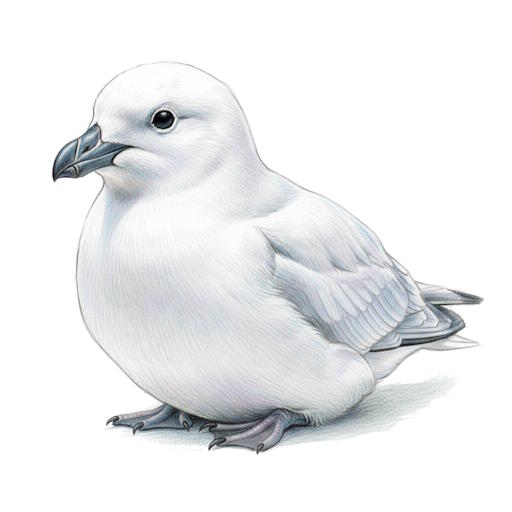
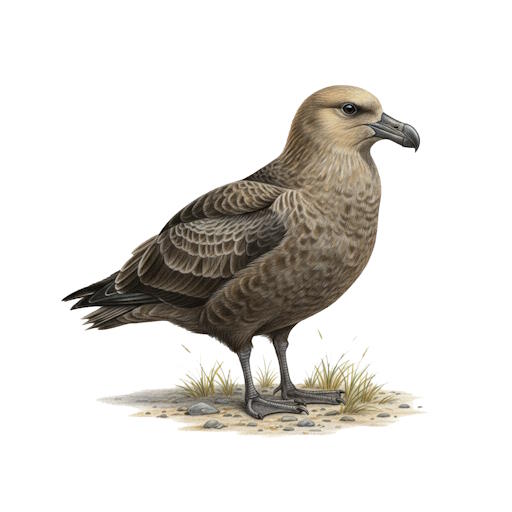
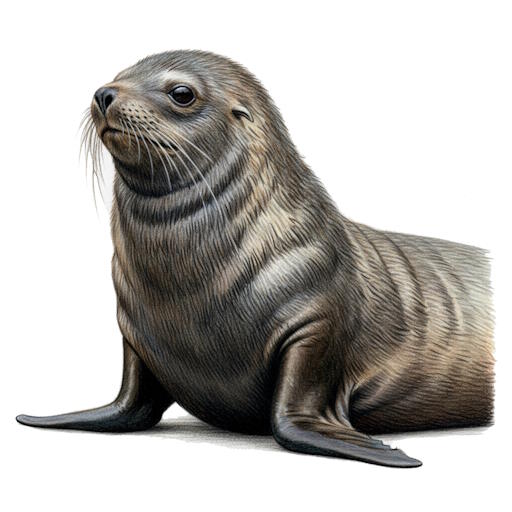
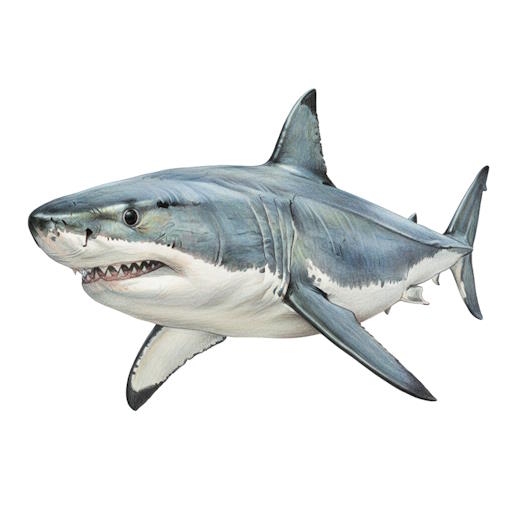
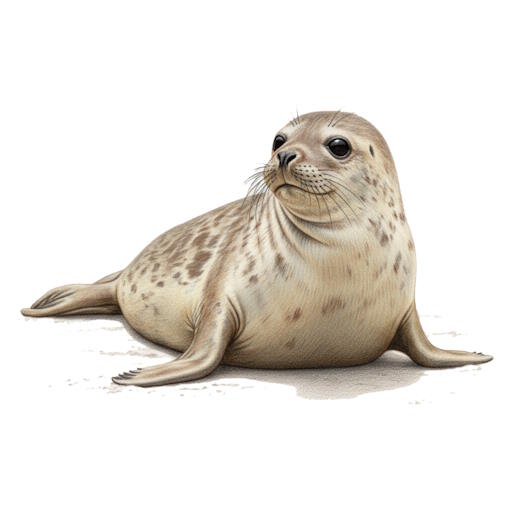
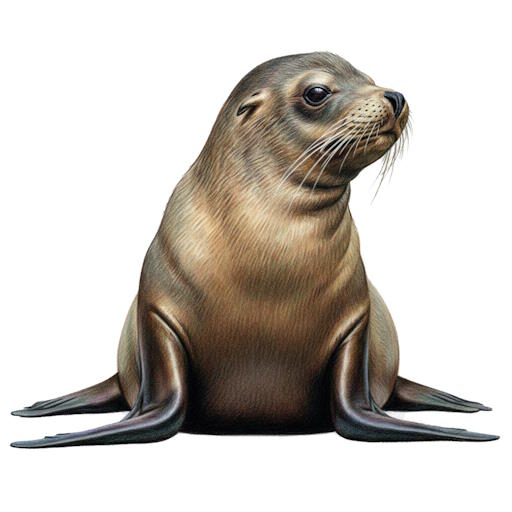
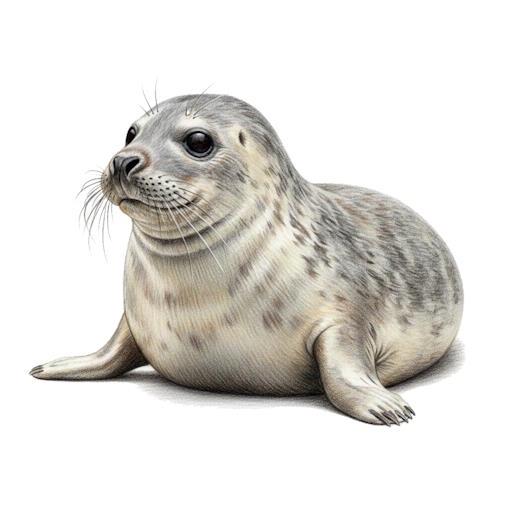
Animals which live in Coastal Habitat
Click on an image to learn more about one of the animals.