Coastal cliffs
Coastal cliffs are dramatic geological formations where land meets the sea, characterized by steep, often vertical, rock faces that plunge into the ocean. These dynamic habitats are shaped by relentless forces of erosion, including powerful waves, strong winds, and the freeze-thaw cycle, creating a constantly evolving landscape. The geology of coastal cliffs varies widely, from soft sedimentary rocks like sandstone and chalk to hard igneous and metamorphic rocks such as granite and basalt. This geological diversity influences the appearance of the cliffs, their rate of erosion, and the types of life they can support.
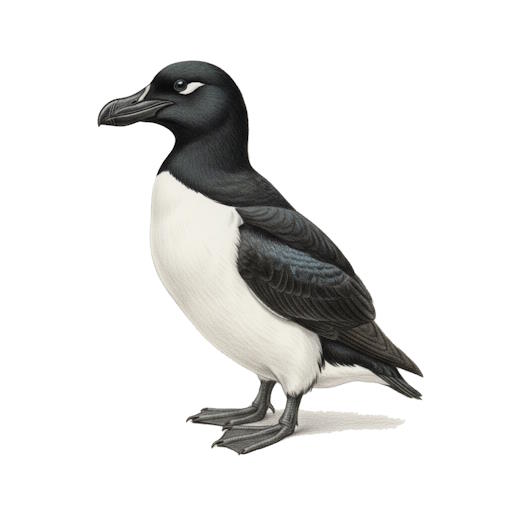
The unique conditions of coastal cliffs foster specialized ecosystems. Plants that thrive here must be tolerant of salt spray, strong winds, and thin, nutrient-poor soils. Examples include hardy grasses, salt-tolerant shrubs, and succulent plants that can retain water. These plants often have deep root systems to anchor themselves against erosion and strong winds. Animal life on coastal cliffs is also highly adapted. Seabirds are a prominent feature, nesting on ledges and in crevices, safe from terrestrial predators. Species like gulls, puffins, razorbills, and guillemots form large colonies, utilizing the cliffs for breeding and roosting. Their guano enriches the soil, contributing to the unique flora. Mammals, reptiles, and insects may also inhabit the clifftops and lower slopes, finding refuge and food in the diverse microhabitats.
Coastal cliffs play a crucial role in coastal defense, protecting inland areas from storm surges and erosion. They are also sites of significant ecological importance, providing vital breeding grounds and migratory stopovers for numerous bird species. Many coastal cliffs are designated as protected areas, recognized for their natural beauty, geological significance, and biodiversity. However, these habitats face various threats, including climate change leading to increased erosion, human disturbance from tourism and development, and pollution. Conservation efforts focus on managing visitor access, controlling invasive species, and mitigating the impacts of climate change to preserve these spectacular and ecologically valuable landscapes for future generations.
Other Habitats
There are lots of other habitats to explore. Check out all of our habitats for more info.
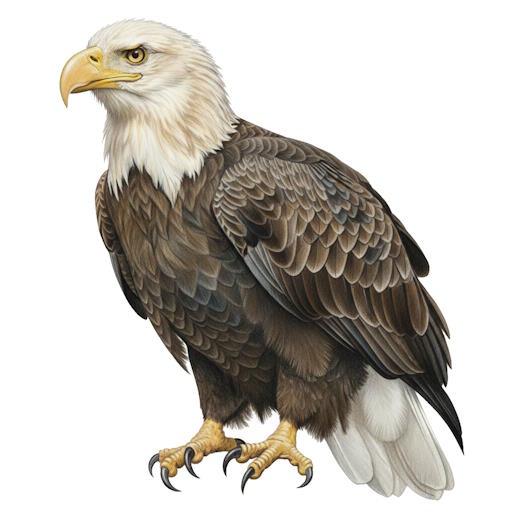
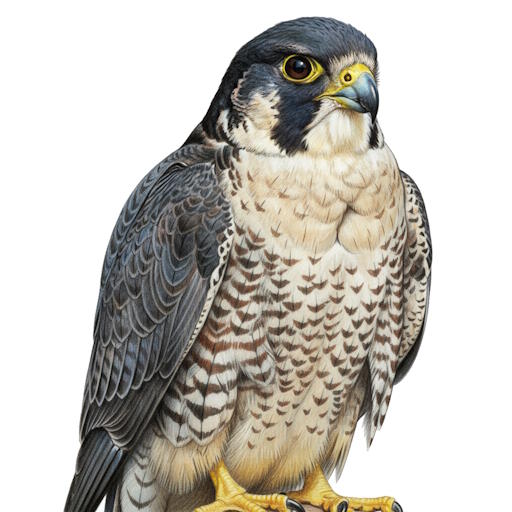
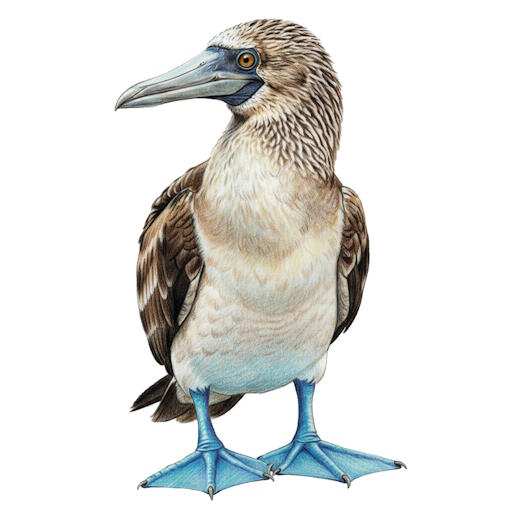
Animals which live in Coastal cliffs Habitat
Click on an image to learn more about one of the animals.