Coastal Estuaries
Coastal estuaries are unique and vital ecosystems where freshwater from rivers and streams mixes with saltwater from the ocean. These dynamic habitats are characterized by fluctuating salinity levels, tidal influences, and nutrient-rich waters, making them incredibly productive and biodiverse.
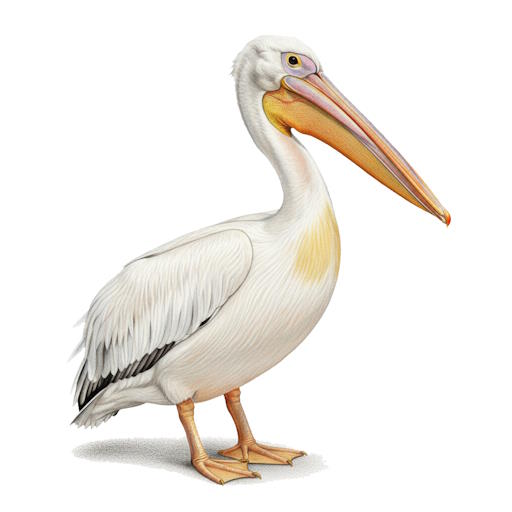
Estuaries serve as crucial nurseries for a vast array of marine life, including many fish, shellfish, and crustacean species. The sheltered, food-rich environment provides an ideal breeding ground and safe haven for juvenile organisms before they venture into the open ocean. Consequently, estuaries are often teeming with life, supporting complex food webs that involve a wide range of invertebrates, fish, birds, and mammals.
Beyond their ecological significance, coastal estuaries offer numerous benefits to humans. They act as natural filters, trapping pollutants and sediments from upstream runoff, thereby improving water quality in coastal areas. Their extensive salt marshes and mangrove forests help stabilize shorelines, protect inland areas from storm surges and erosion, and sequester carbon, playing a role in climate regulation.
Estuaries are also important economic hubs, supporting commercial and recreational fishing, tourism, and shipping industries. Many coastal communities rely on the health of their local estuaries for their livelihoods and quality of life.
However, these invaluable ecosystems are facing increasing threats from human activities, including pollution, habitat destruction, overfishing, and climate change. Protecting and restoring coastal estuaries is paramount to safeguarding biodiversity, maintaining healthy coastal environments, and ensuring the sustainability of coastal communities worldwide.
Other Habitats
There are lots of other habitats to explore. Check out all of our habitats for more info.
Animals which live in Coastal Estuaries Habitat
Click on an image to learn more about one of the animals.