Coastal Fast Ice
Coastal fast ice is a unique and dynamic marine habitat found in polar and subpolar regions. Unlike drifting pack ice, fast ice is anchored to the coastline or seabed, forming a stable platform that can extend many kilometers offshore. This stability, often maintained throughout the winter months, creates a distinct environment for a diverse array of life.
Formation and Characteristics
Coastal fast ice typically begins to form in autumn as air temperatures drop and the sea surface cools. Small ice crystals coalesce into a continuous sheet, which then thickens from both above (due to snowfall) and below (as seawater freezes onto its underside). Its stability is maintained by being frozen to land or grounded on shoals, distinguishing it from the constantly moving pack ice further offshore. The thickness of fast ice can vary significantly, from a few centimeters in newly formed areas to several meters in multi-year ice.
Ecological Importance
Despite its seemingly harsh conditions, coastal fast ice is a vital habitat for numerous species. Its underside provides a crucial nursery and feeding ground for microscopic algae, which form the base of the polar food web. These ice algae, in turn, support a community of crustaceans like copepods and amphipods. These small invertebrates are a primary food source for a variety of fish species, which then become prey for larger marine mammals and birds.
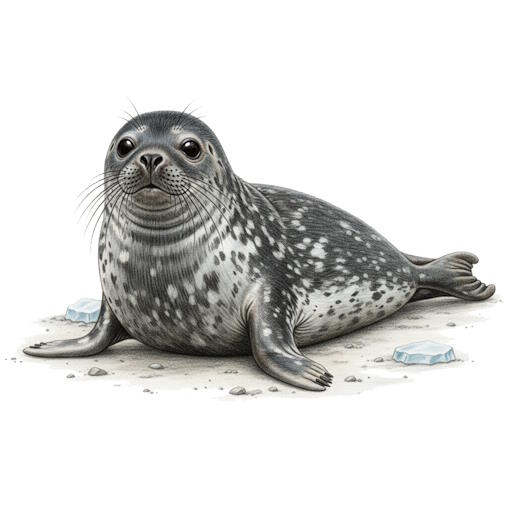
Seals, such as ringed seals and bearded seals, rely heavily on coastal fast ice for breeding, resting, and molting. They create breathing holes and lairs within the ice, offering protection from predators and harsh weather. Polar bears also utilize fast ice as a hunting platform, preying on seals that come to the surface. Many seabirds, including various auk species and gulls, forage in leads and polynyas (areas of open water within the ice) and rest on the ice itself.
Threats and Conservation
Coastal fast ice habitats are highly vulnerable to climate change. Rising global temperatures are leading to shorter ice seasons, reduced ice thickness, and earlier breakup events. This loss of stable ice profoundly impacts the species that depend on it, disrupting breeding cycles, reducing access to food, and increasing exposure to predators. For example, ringed seal pups born on thin or unstable ice are at a higher risk of mortality. The decline in fast ice also affects indigenous communities in the Arctic that rely on these ecosystems for subsistence hunting and travel.
Conservation efforts for coastal fast ice habitats focus primarily on mitigating climate change through global greenhouse gas emission reductions. Additionally, local conservation initiatives aim to minimize disturbances to marine wildlife in these fragile environments, helping to protect the unique biodiversity that thrives within these icy realms.
Other Habitats
There are lots of other habitats to explore. Check out all of our habitats for more info.
Animals which live in Coastal Fast Ice Habitat
Click on an image to learn more about one of the animals.