Coastal heathlands
Coastal heathlands are unique and ecologically significant habitats found in temperate regions worldwide, characterized by their proximity to the coast and the dominance of dwarf shrubs, typically Ericaceae species (heaths and heathers), along with grasses, sedges, and wildflowers. These resilient ecosystems thrive in harsh conditions, enduring strong winds, salt spray, nutrient-poor soils, and often, fire. The open, windswept nature of coastal heathlands often creates a dramatic landscape, offering panoramic views of the ocean.
The soils in coastal heathlands are typically acidic, sandy, and well-drained, a result of thousands of years of weathering and leaching. This low nutrient availability often leads to the prevalence of specialized plant species adapted to these challenging conditions, such as those with symbiotic relationships with fungi to aid in nutrient uptake. Many heathland plants also exhibit xerophytic (drought-resistant) characteristics, like small, tough leaves, to minimize water loss in exposed environments.
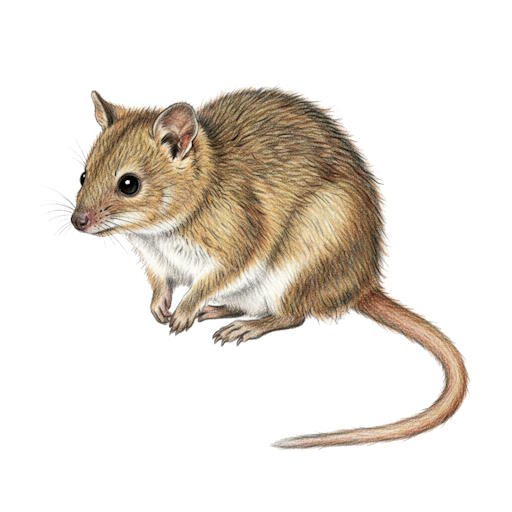
Despite their seemingly barren appearance, coastal heathlands are teeming with biodiversity. They provide crucial habitats for a variety of flora and fauna, including specialized insects, reptiles, birds, and small mammals. Many of these species are endemic or rare, relying on the specific conditions offered by heathlands for their survival. The intricate web of life within these ecosystems contributes to their ecological value and resilience.
Coastal heathlands play a vital role in coastal protection, as their dense root systems help stabilize dunes and prevent erosion, safeguarding the coastline from the impacts of storms and rising sea levels. They also act as important carbon sinks, storing carbon in their soils and vegetation, contributing to climate change mitigation efforts.
However, coastal heathlands face numerous threats, including habitat loss due to coastal development, agricultural expansion, and invasive species. Fire suppression, while seemingly beneficial, can also alter the natural fire regimes that many heathland species depend on for regeneration. Conservation efforts are crucial to protect and restore these valuable habitats, ensuring their continued ecological function and the survival of their unique biodiversity. Preserving coastal heathlands is not just about protecting individual species, but about maintaining the delicate balance of coastal ecosystems and the broader natural heritage of our planet.
Other Habitats
There are lots of other habitats to explore. Check out all of our habitats for more info.
Animals which live in Coastal heathlands Habitat
Click on an image to learn more about one of the animals.