Coastal marine environments
Coastal marine environments are among the most dynamic and biologically diverse habitats on Earth, representing the interface where land meets the sea. These areas encompass a wide array of ecosystems, including rocky shores, sandy beaches, estuaries, salt marshes, mangrove forests, and coral reefs, each supporting a unique community of life. The constant interaction of tides, waves, currents, and freshwater runoff creates a mosaic of conditions that influence the types of species that can thrive here.
Life in coastal marine environments is characterized by remarkable adaptations to fluctuating conditions. Organisms must contend with variations in salinity, temperature, water depth, and exposure to air. For instance, creatures inhabiting intertidal zones, such as barnacles and mussels, have evolved mechanisms to withstand periods of desiccation and extreme temperatures during low tide, while fish in estuaries can tolerate a wide range of salt concentrations. These habitats are crucial breeding grounds and nurseries for countless marine species, including fish, crustaceans, and mollusks, contributing significantly to global fisheries.
Beyond their ecological importance, coastal marine environments provide invaluable ecosystem services. They act as natural buffers against storms and erosion, protecting inland areas from the destructive force of the ocean. Salt marshes and mangroves, in particular, are highly effective at absorbing excess nutrients and pollutants, thereby improving water quality. These environments also play a vital role in carbon sequestration, with coastal wetlands and seagrass beds storing significant amounts of carbon, helping to mitigate climate change.
Furthermore, coastal marine environments are vital for human well-being and recreation. They support diverse economic activities such as tourism, fishing, and aquaculture, providing livelihoods for millions of people worldwide. Beaches and coastal waters offer opportunities for swimming, boating, and wildlife observation, contributing to mental and physical health. However, these delicate ecosystems face numerous threats, including pollution from land-based activities, habitat destruction due to coastal development, overfishing, and the impacts of climate change, such as rising sea levels and ocean acidification. Conservation efforts are crucial to protect and restore these indispensable habitats for future generations.
Other Habitats
There are lots of other habitats to explore. Check out all of our habitats for more info.
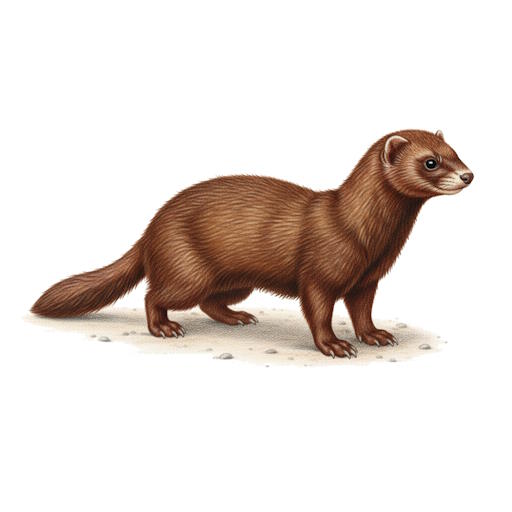
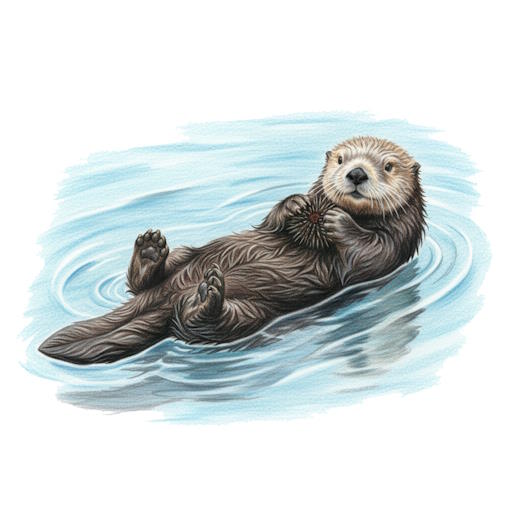
Animals which live in Coastal marine environments Habitat
Click on an image to learn more about one of the animals.