Coastal Prairies
Coastal Prairies: Where Land Meets the Sea in a Symphony of Grasslands
Coastal prairies represent a unique and ecologically vital habitat, acting as a transitional zone where the terrestrial realm of grasslands gracefully meets the dynamic influence of coastal environments. These expansive, grassy ecosystems are shaped by a delicate interplay of oceanic breezes, varying salinity levels, and specific soil compositions, fostering a rich biodiversity often overlooked in favor of more dramatic coastal features.
Characterized by a dominance of various grass species, coastal prairies are far from monotonous. They often feature a mosaic of native grasses, wildflowers, and herbaceous plants, creating a vibrant tapestry that shifts with the seasons. The resilience of these plant communities is remarkable, as they must withstand salt spray, strong winds, and occasional inundation from tidal surges, particularly in low-lying areas. This constant environmental pressure leads to the evolution of specialized flora adapted to these challenging conditions.
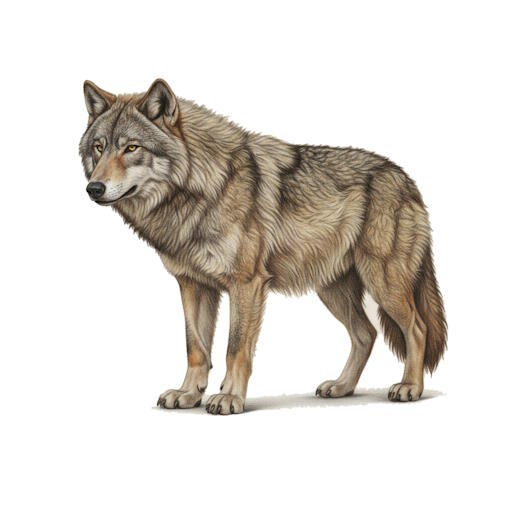
Beyond their botanical beauty, coastal prairies are crucial ecological corridors and nurseries for a diverse array of wildlife. Birds, both resident and migratory, utilize these grasslands for nesting, foraging, and stopover points during their long journeys. Insect populations, including a variety of pollinators, thrive amidst the wildflowers, forming the base of a complex food web. Mammals, from small rodents to larger grazers, also call these prairies home, finding shelter and sustenance within the protective cover of the grasses.
The ecological services provided by coastal prairies are multifaceted and essential. Their dense root systems are highly effective at stabilizing coastal soils, preventing erosion from wind and water, and acting as natural buffers against storm surges, protecting inland areas from the destructive power of the sea. They also play a significant role in water filtration, improving water quality by trapping sediments and pollutants before they reach marine ecosystems. Furthermore, these grasslands contribute to carbon sequestration, helping to mitigate climate change by storing atmospheric carbon in their biomass and soils.
Despite their ecological importance, coastal prairies are among the most threatened habitats globally. Conversion to agricultural land, urban development, and the encroachment of invasive species have drastically reduced their extent. Climate change, with rising sea levels and altered storm patterns, poses further challenges. Conservation efforts are vital to protect and restore these invaluable ecosystems, ensuring their continued role in supporting biodiversity, safeguarding coastal communities, and contributing to the health of our planet. Understanding and appreciating the intricate beauty and critical functions of coastal prairies is the first step towards their effective preservation for future generations.
Other Habitats
There are lots of other habitats to explore. Check out all of our habitats for more info.
Animals which live in Coastal Prairies Habitat
Click on an image to learn more about one of the animals.