Coastal Sandhills
Coastal sandhills represent a unique and vital ecological niche, characterized by their sandy, well-drained soils and proximity to marine environments. These dynamic landscapes are shaped by wind and water, forming rolling dunes and ridges that stabilize with specialized, salt-tolerant vegetation. While often appearing stark, coastal sandhills are biodiversity hotspots, supporting a fascinating array of flora and fauna adapted to their challenging conditions.
The vegetation in coastal sandhills typically includes grasses like sea oats, various dune-stabilizing shrubs, and hardy trees such as scrub oaks and pines, which are often stunted and gnarled by the persistent coastal winds. These plants play a crucial role in preventing erosion and providing habitat for wildlife. Animal inhabitants are equally specialized, ranging from insects and reptiles that burrow into the sand to evade temperature extremes, to birds that nest among the sparse vegetation, and even larger mammals that utilize these areas for foraging and refuge.
Ecologically, coastal sandhills act as important buffers, protecting inland areas from storm surges and coastal erosion. They also serve as critical migratory pathways and breeding grounds for numerous species. However, these fragile ecosystems are highly susceptible to human impact, including development, recreational activities, and invasive species. Conservation efforts are essential to preserve the delicate balance of coastal sandhill habitats and the unique biodiversity they support.
Understanding and protecting coastal sandhills is paramount for maintaining healthy coastal environments. Their distinct characteristics, from the shifting sands to the resilient life forms, make them invaluable components of global biodiversity, offering endless opportunities for ecological study and nature appreciation.
Other Habitats
There are lots of other habitats to explore. Check out all of our habitats for more info.
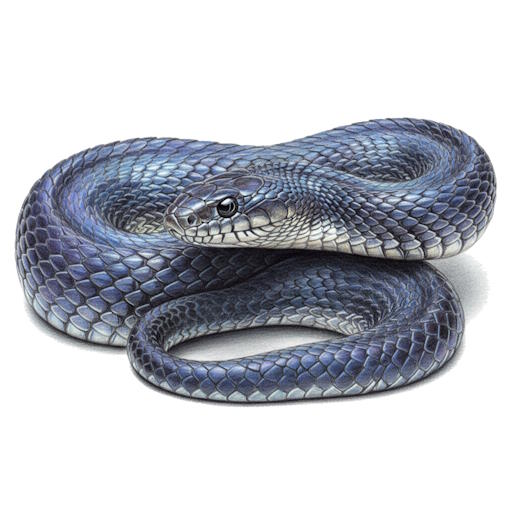
Animals which live in Coastal Sandhills Habitat
Click on an image to learn more about one of the animals.