Coastal waters
Coastal waters represent the dynamic interface where land meets the sea, encompassing a diverse array of aquatic environments that are profoundly influenced by both terrestrial and oceanic processes. These vital habitats extend from the shoreline out to the edge of the continental shelf, typically reaching depths of around 200 meters. They include a variety of sub-habitats such as estuaries, deltas, lagoons, rocky shores, sandy beaches, coral reefs, and kelp forests, each supporting unique ecological communities.
The defining characteristics of coastal waters are their variable conditions. Salinity can fluctuate significantly, especially in estuaries where freshwater rivers meet the saline ocean. Temperature also experiences wider swings than in the open ocean, influenced by atmospheric conditions and proximity to land. Nutrient levels are often high due to runoff from terrestrial environments, making these areas incredibly productive. Sunlight penetrates to the seafloor in many coastal zones, supporting a rich diversity of photosynthetic organisms like algae and seagrasses, which form the base of complex food webs.
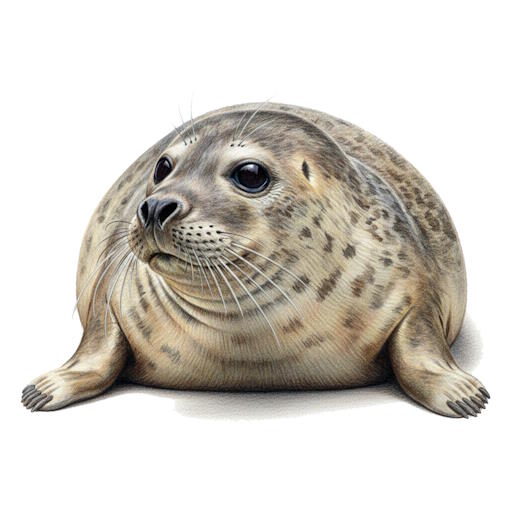
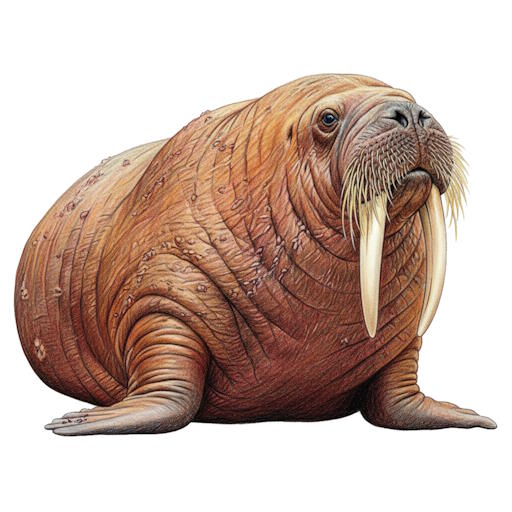
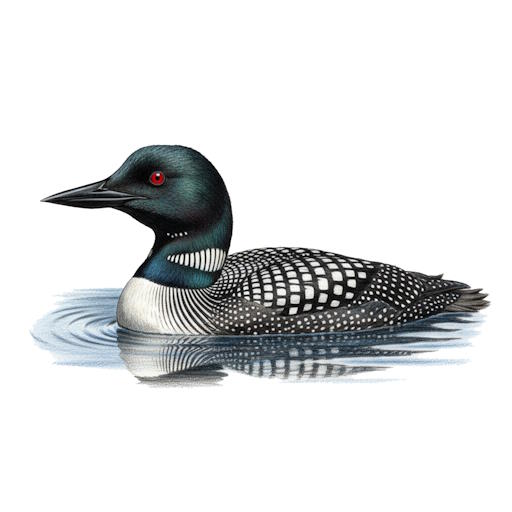
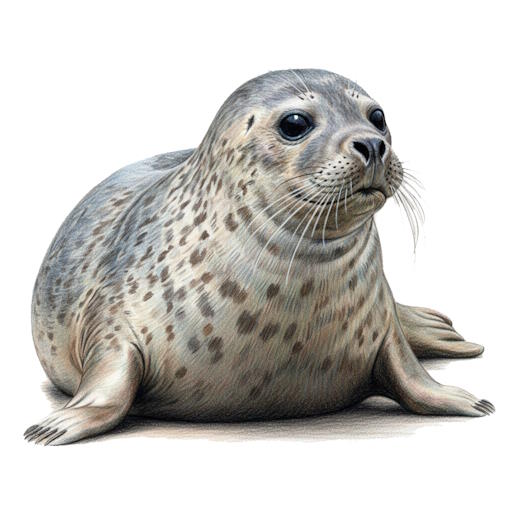
Coastal waters are teeming with life, serving as crucial breeding grounds, nurseries, and feeding areas for countless species. Fish, crustaceans, mollusks, and marine mammals thrive in these productive environments. Many commercially important fish species spend at least part of their life cycle in coastal waters, highlighting their economic significance. Seabirds often forage along these shores, and migratory species rely on coastal wetlands for stopovers and sustenance.
Beyond their ecological value, coastal waters provide numerous benefits to humans. They support fisheries, aquaculture, and tourism, contributing significantly to local and national economies. They also play a vital role in coastal protection, with natural structures like coral reefs and mangrove forests acting as buffers against storms and erosion. Furthermore, coastal waters offer immense recreational opportunities, from swimming and boating to diving and wildlife watching.
However, coastal waters are among the most threatened habitats globally. They face intense pressures from human activities, including pollution (industrial, agricultural, and domestic runoff), overfishing, habitat destruction (due to coastal development, dredging, and destructive fishing practices), and the impacts of climate change (sea-level rise, ocean acidification, and increased storm intensity). Conservation efforts are crucial to protect these invaluable ecosystems, focusing on sustainable management, pollution reduction, and the establishment of marine protected areas. Understanding and valuing coastal waters is essential for their continued health and the well-being of both marine life and human communities.
Other Habitats
There are lots of other habitats to explore. Check out all of our habitats for more info.
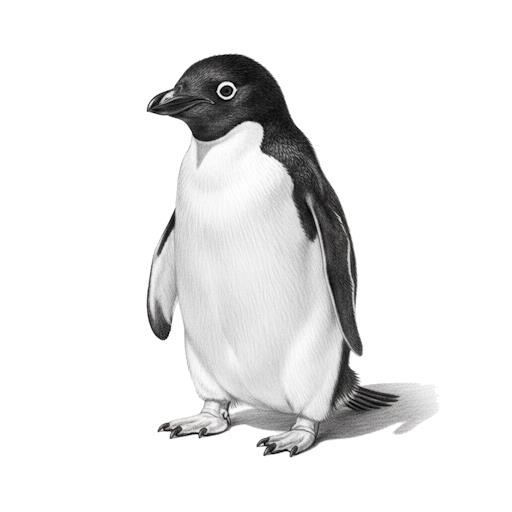
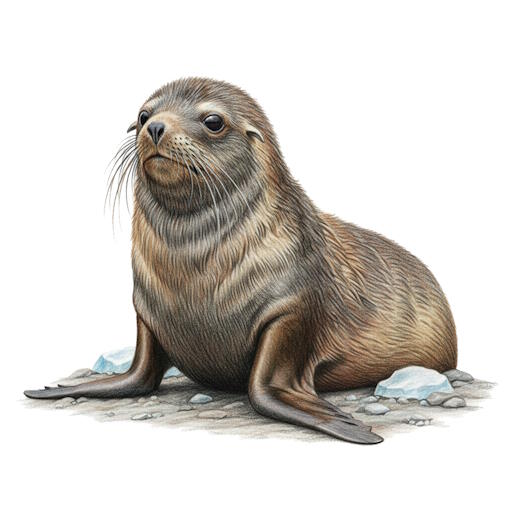
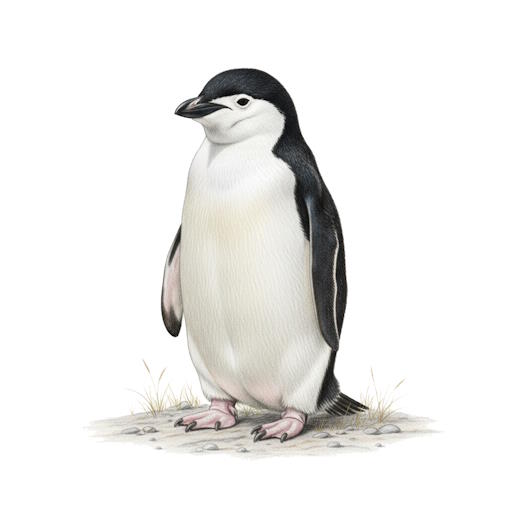
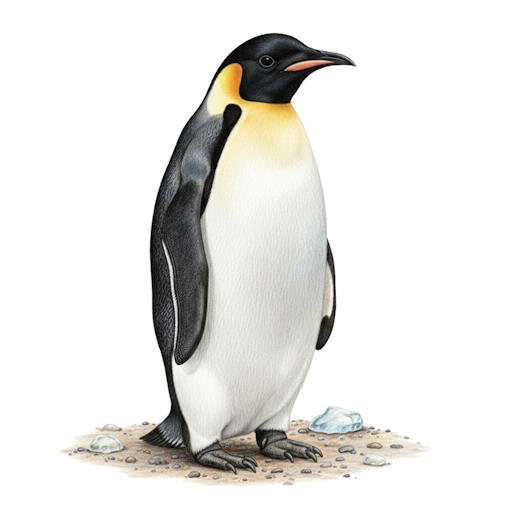
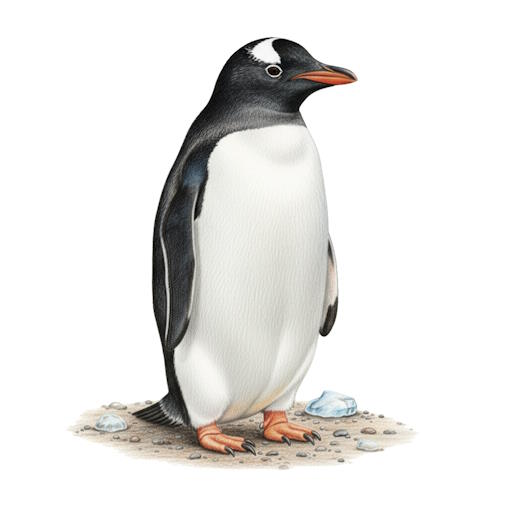
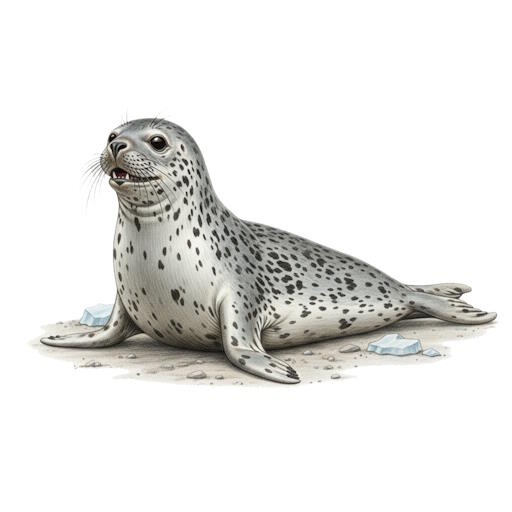
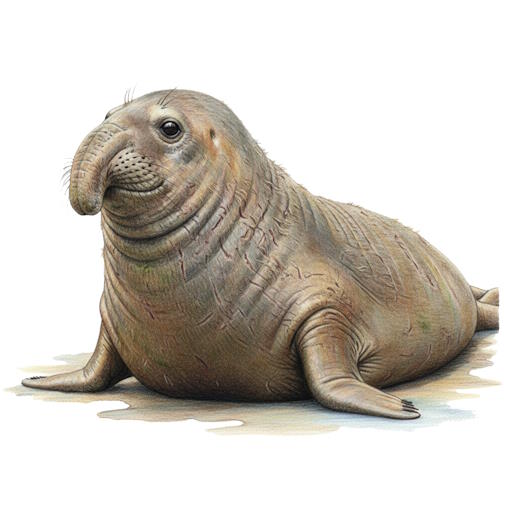
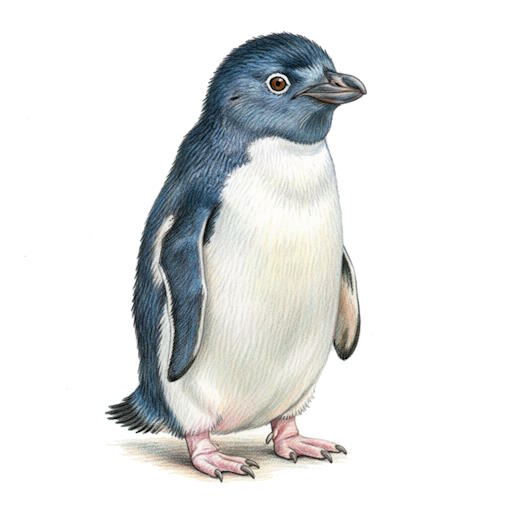
Animals which live in Coastal waters Habitat
Click on an image to learn more about one of the animals.