Coniferous forests
Coniferous forests, often referred to as boreal forests or taiga, are vast and captivating ecosystems characterized by their dominant cone-bearing, evergreen trees. These resilient forests are found across the cooler regions of the Northern Hemisphere, forming a vital green belt that stretches across continents. Key tree species in these habitats include various types of pine, spruce, and fir, all uniquely adapted to thrive in harsh climates with long, cold winters and short, mild summers.
The distinctive needle-like leaves of coniferous trees, often coated in a waxy substance, are crucial adaptations that help them conserve water and minimize frost damage. Their conical shape also allows snow to shed easily, preventing branch breakage under heavy loads. This evergreen nature means that coniferous forests maintain a constant green canopy throughout the year, enabling photosynthesis even during periods when deciduous trees have shed their leaves. This continuous productivity contributes significantly to global oxygen production and carbon sequestration.
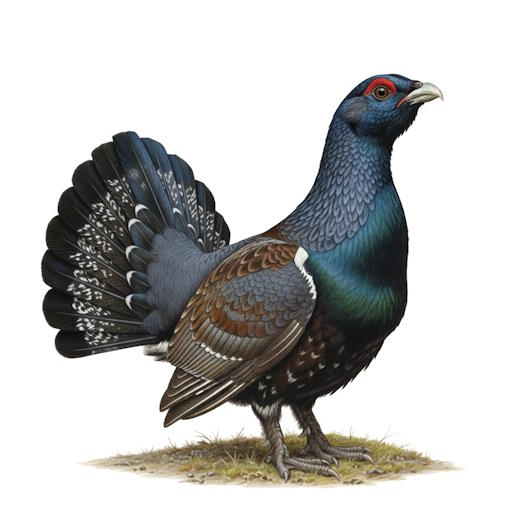
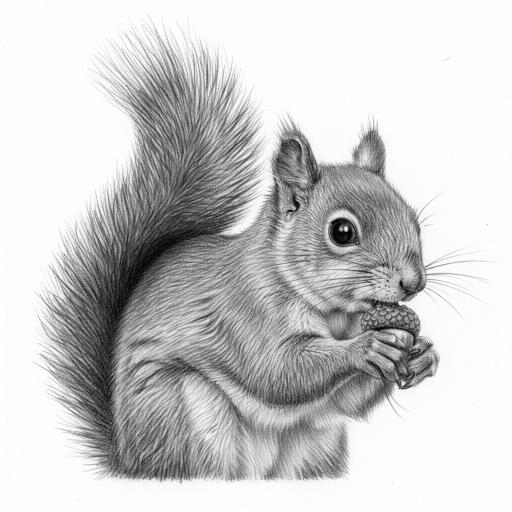
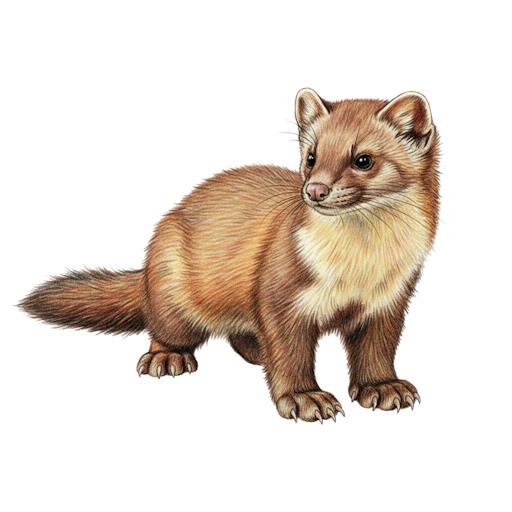
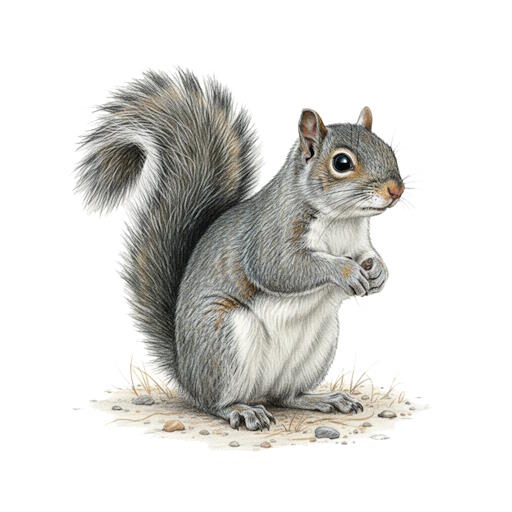
Despite the challenging conditions, coniferous forests teem with life. A diverse array of wildlife calls these habitats home, showcasing remarkable adaptations to the cold and the availability of specific food sources. Mammals such as moose, elk, caribou, bears (including grizzly and black bears), wolves, lynx, and various smaller furbearers like martens and squirrels are common inhabitants. Bird species, including owls, crossbills, and various woodpeckers, also thrive here, many relying on the abundant conifer seeds for sustenance.
The understory of coniferous forests is often shaded and covered in a carpet of mosses, lichens, and ferns. Fungi play a critical role in the decomposition of fallen needles and woody debris, recycling nutrients back into the sometimes nutrient-poor soil. These forests are not only important for their biodiversity but also for their ecological services. They regulate water cycles, prevent soil erosion, and act as significant carbon sinks, helping to mitigate climate change.
Coniferous forests face various threats, including climate change, which can lead to increased frequency of forest fires, pest outbreaks (such as bark beetles), and shifts in tree distributions. Sustainable forestry practices and conservation efforts are paramount to protecting these invaluable ecosystems for future generations. Understanding the delicate balance within these evergreen wonders highlights their importance as a cornerstone of our planet's natural heritage.
Other Habitats
There are lots of other habitats to explore. Check out all of our habitats for more info.
Animals which live in Coniferous forests Habitat
Click on an image to learn more about one of the animals.