Dense temperate forests
Dense temperate forests are characterized by their rich biodiversity and distinct seasonal changes. Found in regions with moderate climates, these forests experience all four seasons, with warm summers, cool autumns, cold winters, and mild springs. This cyclical pattern of growth and dormancy shapes the entire ecosystem, influencing the plant life, animal behavior, and overall forest structure.
The dominant tree species in dense temperate forests are typically deciduous, meaning they shed their leaves in the autumn. Common trees include oaks, maples, beeches, birches, and hickories. These towering trees form a dense canopy that filters sunlight, creating a shaded understory. Below the canopy, you'll find a diverse array of shrubs, ferns, wildflowers, and mosses, all adapted to the varying light conditions throughout the year.
The forest floor is a vital component of this habitat, covered in a thick layer of decomposing leaves and organic matter. This rich soil is teeming with life, from fungi and bacteria to insects and small mammals, all playing a crucial role in nutrient cycling and decomposition. The decomposition process releases essential nutrients back into the soil, supporting the growth of new plant life.
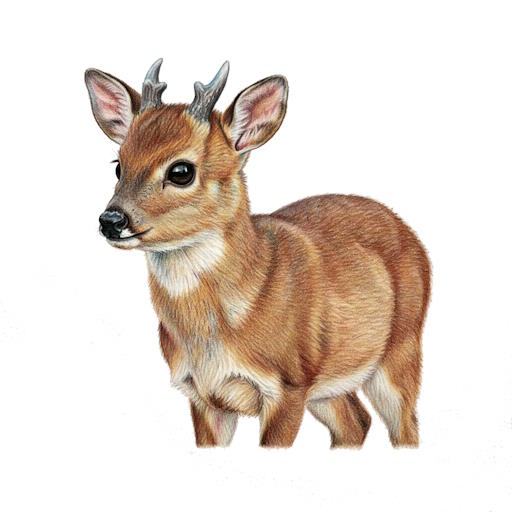
Dense temperate forests are home to a wide variety of wildlife. Mammals such as deer, bears, raccoons, squirrels, and foxes thrive in these environments, finding abundant food sources and shelter within the dense foliage. Numerous bird species, both migratory and resident, rely on these forests for nesting, foraging, and protection. Amphibians and reptiles also inhabit these areas, often found near streams, ponds, and damp forest floors.
Ecologically, dense temperate forests are significant carbon sinks, absorbing large amounts of carbon dioxide from the atmosphere and helping to regulate global climate. They also play a crucial role in water filtration, maintaining soil stability, and preventing erosion. These forests provide essential ecosystem services that benefit both wildlife and human populations.
However, dense temperate forests face various threats, including deforestation for agriculture and urban development, habitat fragmentation, and climate change. Conservation efforts are vital to protect these invaluable ecosystems and the diverse species they support. Sustainable forest management practices, reforestation initiatives, and protected areas are essential for ensuring the long-term health and resilience of dense temperate forests worldwide.
Other Habitats
There are lots of other habitats to explore. Check out all of our habitats for more info.
Animals which live in Dense temperate forests Habitat
Click on an image to learn more about one of the animals.