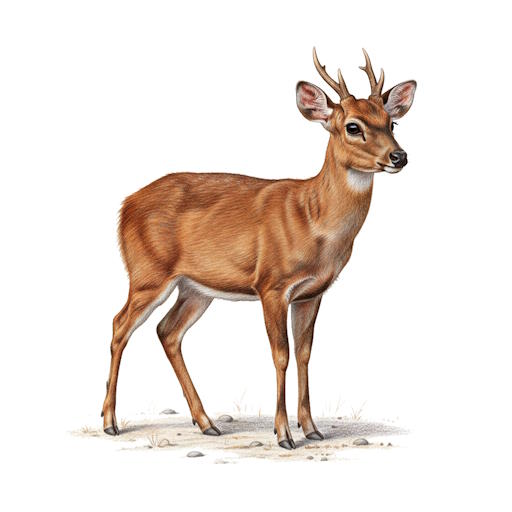
Dense tropical forests
Dense tropical forests, often referred to as rainforests, are Earth's most complex and biodiverse terrestrial ecosystems. Characterized by high annual rainfall (typically over 2,000 mm or 80 inches) and consistently warm temperatures (averaging above 20°C or 68°F), these habitats create an ideal environment for an astonishing array of plant and animal life. Found predominantly near the equator, in regions such as the Amazon basin, Central Africa, and Southeast Asia, tropical forests play a critical role in global climate regulation and oxygen production.
The structure of a dense tropical forest is layered, contributing to its incredible biodiversity. The emergent layer consists of the tallest trees, reaching heights of 50 meters (164 feet) or more, soaring above the canopy. The canopy itself forms a dense, interlocking roof of leaves and branches, home to a vast number of arboreal animals, from monkeys and sloths to colorful birds and insects. Below the canopy lies the understory, a dimmer, more humid realm where smaller trees, shrubs, and lianas thrive. Finally, the forest floor is a relatively dark and open space, with sparse vegetation due to limited sunlight, but teeming with decomposing organic matter and ground-dwelling creatures.
The biodiversity of dense tropical forests is unparalleled. While covering only about 6% of the Earth's land surface, they are estimated to harbor over half of the world's plant and animal species. This includes a staggering variety of insects, amphibians, reptiles, birds, and mammals, many of which are endemic to these specific regions. The intricate web of life within these forests showcases complex ecological relationships, from specialized pollination methods to unique predator-prey dynamics.
However, these vital ecosystems face severe threats. Deforestation for agriculture, logging, mining, and urban expansion leads to rapid habitat loss and fragmentation. This destruction not only impacts countless species, pushing many towards extinction, but also contributes significantly to climate change by releasing stored carbon and reducing the planet's capacity to absorb carbon dioxide. Conservation efforts are crucial to protect these invaluable habitats, emphasizing sustainable practices, reforestation, and the establishment of protected areas. Understanding and valuing the ecological significance of dense tropical forests is paramount to safeguarding their future and, by extension, the health of our planet.
Other Habitats
There are lots of other habitats to explore. Check out all of our habitats for more info.
Animals which live in Dense tropical forests Habitat
Click on an image to learn more about one of the animals.