Desert Grasslands
Desert grasslands are unique and often overlooked ecosystems, characterized by a fascinating blend of arid conditions and resilient grassy vegetation. These transitional zones typically lie between true deserts and more humid grasslands or shrublands, receiving just enough rainfall to support a sparse to moderate cover of grasses, alongside scattered shrubs and cacti. Unlike the vast, rolling plains of temperate grasslands, desert grasslands exhibit a more open and often patchy distribution of plant life, reflecting the challenges of water scarcity.
The flora of desert grasslands is specially adapted to survive extended dry periods and intense solar radiation. Common grass species might include various types of grama, bluestem, and tobosa grass, often appearing in clumps rather than continuous carpets. Drought-tolerant shrubs like creosote bush and mesquite, along with succulents such as prickly pear and cholla, are also frequently found, providing additional structure and resources. These plants play a crucial role in stabilizing the soil and creating microhabitats for a diverse array of animal life.
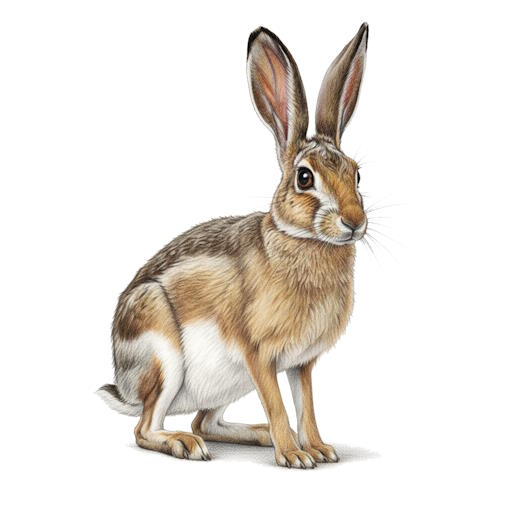
Despite their seemingly harsh environment, desert grasslands support a surprising amount of biodiversity. Mammals such as jackrabbits, various rodent species (including kangaroo rats and prairie dogs), and larger herbivores like pronghorn and deer (where water permits) are common. Predators like coyotes, bobcats, and various raptors also thrive in these areas, preying on the abundant smaller animals. Reptiles, including numerous lizard and snake species, are particularly well-suited to the warm, dry conditions, and many bird species, both resident and migratory, utilize desert grasslands for foraging and breeding.
The ecological importance of desert grasslands extends beyond their immediate biodiversity. They act as vital corridors for wildlife, connecting more isolated habitats. Their grasslands help to prevent soil erosion, a critical function in arid environments where exposed soil is vulnerable to wind and water. However, these delicate ecosystems are increasingly threatened by factors such as overgrazing, agricultural expansion, invasive species, and climate change, leading to desertification and loss of native species. Conservation efforts are crucial to protect these resilient and valuable habitats for future generations.
Other Habitats
There are lots of other habitats to explore. Check out all of our habitats for more info.
Animals which live in Desert Grasslands Habitat
Click on an image to learn more about one of the animals.