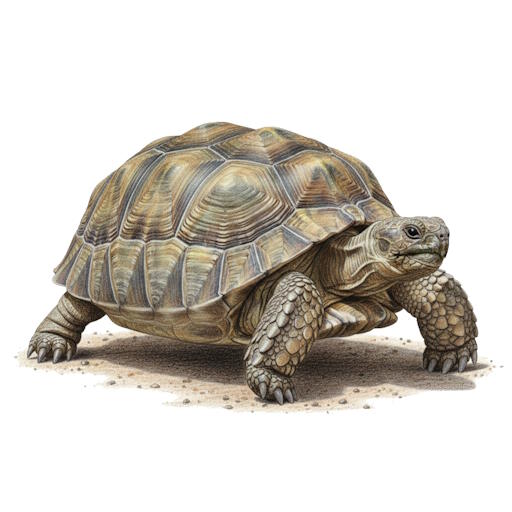
Desert scrublands
Desert scrublands are fascinating and often underestimated ecosystems characterized by their arid conditions and the resilient plant and animal life that thrive within them. These biomes, found across various continents including North America (Mojave, Sonoran, Chihuahuan Deserts), Africa (Sahara, Kalahari), and Australia, are defined by low annual rainfall, typically less than 250mm, and significant temperature fluctuations between day and night.
The vegetation in desert scrublands is dominated by low-lying, woody shrubs and perennial grasses, which have developed remarkable adaptations to conserve water. Common plant species include creosote bush, mesquite, sagebrush, and various cacti and succulents. These plants often feature small leaves, waxy coatings, deep root systems, or the ability to store water in their stems and leaves (succulence) to survive prolonged periods of drought. Their sparse distribution helps minimize competition for the limited water resources.
Despite the harsh environment, desert scrublands support a diverse array of animal life. Many inhabitants are nocturnal, emerging during cooler night hours to forage and avoid the intense daytime heat. Mammals like various species of rodents (kangaroo rats, pocket mice), coyotes, and desert hares are common. Reptiles, such as lizards and snakes, are particularly well-adapted to these dry conditions, with their ability to regulate body temperature and efficient water retention. Birds, often migratory, also utilize these areas for breeding and foraging, including various raptors and ground-dwelling species.
Ecologically, desert scrublands play a crucial role in maintaining biodiversity and preventing desertification. The hardy vegetation helps stabilize soil, reducing erosion from wind and infrequent rain. They also provide essential habitat and food sources for specialized wildlife that cannot survive in other environments. Many desert scrubland areas are under increasing pressure from human activities, including agricultural expansion, urbanization, and climate change, highlighting the urgent need for conservation efforts to protect these unique and vital ecosystems.
Understanding and appreciating desert scrublands is key to preserving their delicate balance. Their remarkable adaptations offer valuable insights into survival in extreme conditions, making them a significant area of study for environmental scientists and conservationists alike.
Other Habitats
There are lots of other habitats to explore. Check out all of our habitats for more info.
Animals which live in Desert scrublands Habitat
Click on an image to learn more about one of the animals.