Dry Grasslands
Dry grasslands are vast, arid to semi-arid ecosystems characterized by a dominance of grasses and a scarcity of trees and shrubs. These unique habitats are found across various continents, including North America (prairies), Asia (steppes), Africa (savannas), and Australia. The defining feature of dry grasslands is their low annual precipitation, which typically ranges from 250 to 500 mm (10 to 20 inches), often coupled with high evaporation rates.
The flora of dry grasslands is primarily composed of drought-tolerant perennial grasses, which have evolved deep root systems to access limited water resources. Common grass species might include buffalo grass, bluestem, and switchgrass in North America, or various species of Stipa and Festuca in Eurasia. Interspersed among the grasses are often various wildflowers and herbaceous plants that can complete their life cycles quickly during periods of available moisture. Woody vegetation, if present, is usually confined to riparian areas or scattered, drought-resistant shrubs.
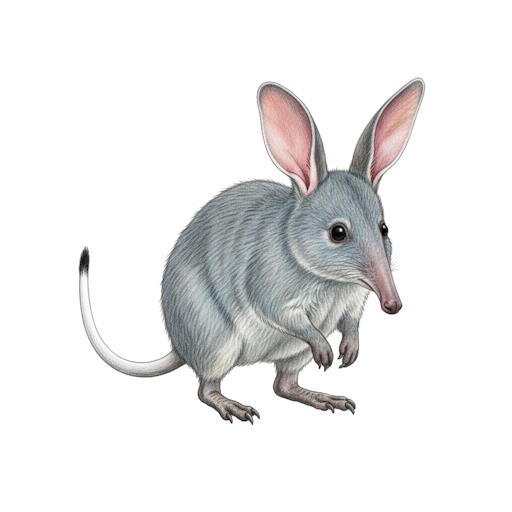
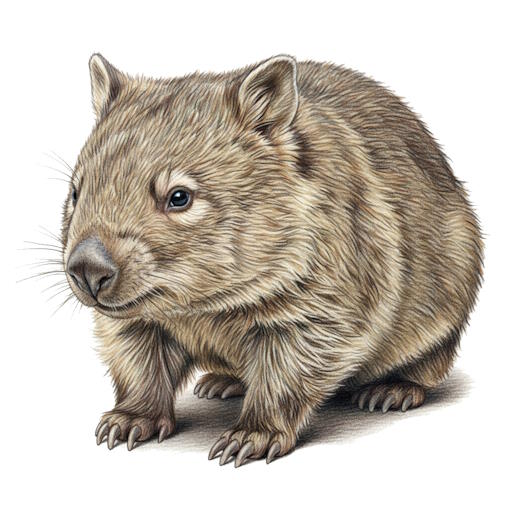
Fauna in dry grasslands is diverse and adapted to the open, often windy conditions and fluctuating temperatures. Herbivores such as bison, kangaroos, antelopes, and various rodent species are typical, grazing on the abundant grasses. These grazing animals play a crucial role in maintaining the grassland ecosystem by preventing shrub encroachment and promoting grass growth. Predators like wolves, coyotes, and various birds of prey thrive on the numerous small mammal populations. Many species of birds, reptiles, and insects also call these grasslands home, contributing to the intricate food web.
Dry grasslands are vital for several reasons. They support a wide array of biodiversity, including many endangered species. Their deep root systems help prevent soil erosion and improve soil health, acting as significant carbon sinks. Historically, these areas have also been crucial for human agriculture and livestock grazing, although unsustainable practices can lead to desertification. Conservation efforts are essential to protect these valuable ecosystems from threats such as climate change, overgrazing, and conversion to agricultural land.
Understanding and preserving dry grasslands is critical for maintaining global biodiversity, supporting agricultural productivity, and mitigating climate change. These resilient habitats, with their unique plant and animal communities, represent a significant and often overlooked natural heritage.
Other Habitats
There are lots of other habitats to explore. Check out all of our habitats for more info.
Animals which live in Dry Grasslands Habitat
Click on an image to learn more about one of the animals.