Estuaries
Estuaries are unique and vital ecosystems where freshwater rivers and streams meet and mix with the saltwater of the ocean. These dynamic environments are characterized by fluctuating salinity levels, tidal influences, and a rich abundance of nutrients, making them incredibly productive habitats for a wide array of plant and animal life. Often referred to as "nurseries of the sea," estuaries provide critical breeding grounds, feeding areas, and shelter for countless marine species, including fish, shellfish, and crustaceans, before they venture out into the open ocean. Many migratory birds also rely on estuaries as essential stopover points and wintering grounds.
The geography of estuaries can vary greatly, from drowned river valleys and bar-built estuaries to tectonic and fjord estuaries, each shaped by different geological processes. Despite their diverse forms, they all share common ecological characteristics. The mixing of fresh and saltwater creates a gradient of salinity that supports specialized flora and fauna adapted to these challenging conditions. Salt marshes, mangrove forests (in tropical and subtropical regions), and seagrass beds are common estuarine vegetation, providing crucial habitat, stabilizing shorelines, and filtering pollutants.
Estuaries play a significant role in maintaining the health of coastal environments and supporting human communities. They act as natural filters, trapping sediments and pollutants from upstream, which helps to improve water quality in coastal areas. They also provide protection from storms and erosion by buffering the impact of waves and winds. Economically, estuaries are incredibly important, supporting commercial and recreational fishing industries, as well as providing opportunities for tourism and recreation such as boating, birdwatching, and kayaking.
However, estuaries are also among the most threatened ecosystems globally. They face numerous pressures from human activities, including pollution from agricultural runoff, industrial discharge, and urban development. Habitat loss and degradation due to dredging, filling, and coastal construction further exacerbate these challenges. Climate change, with rising sea levels and altered precipitation patterns, poses additional threats to the delicate balance of estuarine environments. Protecting and restoring estuaries is crucial for preserving biodiversity, maintaining healthy coastal ecosystems, and supporting the livelihoods of millions worldwide.
Other Habitats
There are lots of other habitats to explore. Check out all of our habitats for more info.
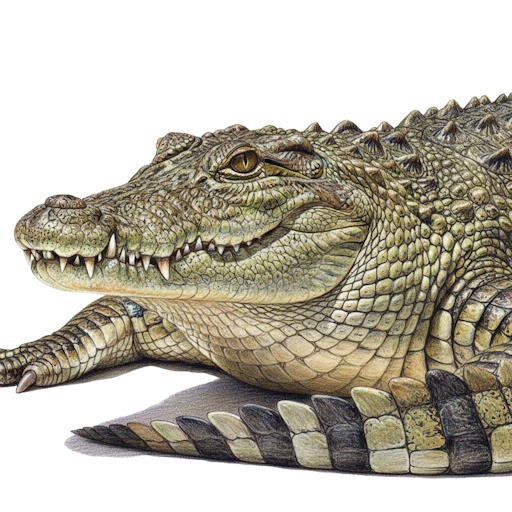
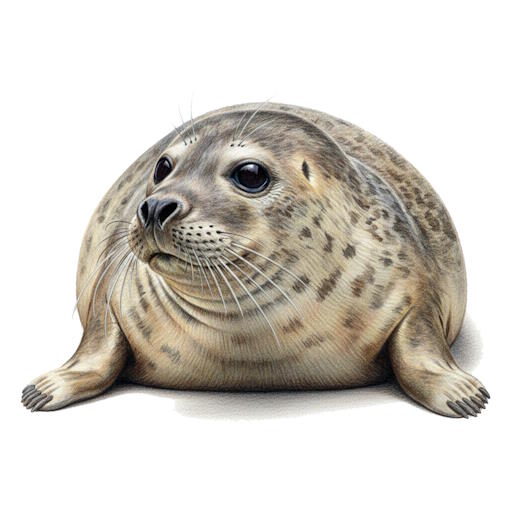
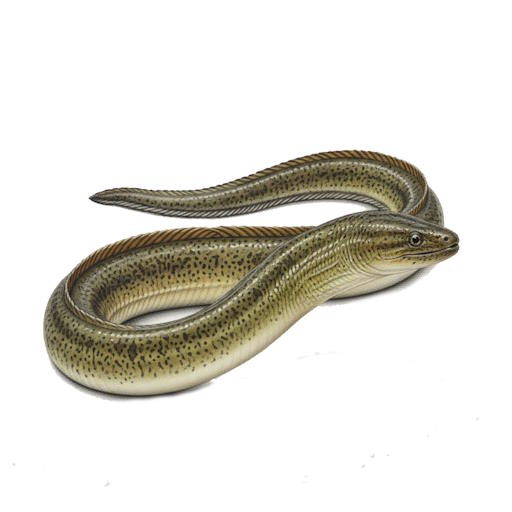
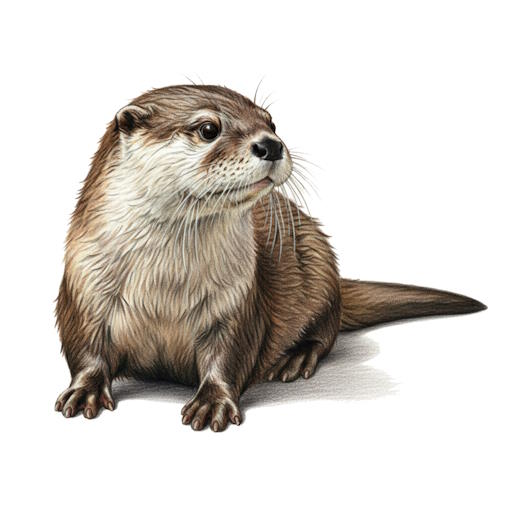
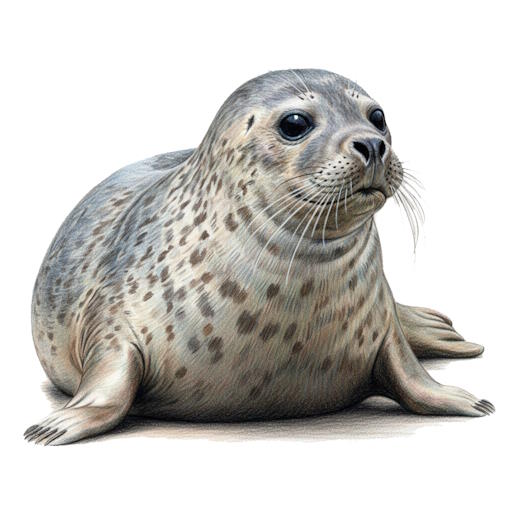
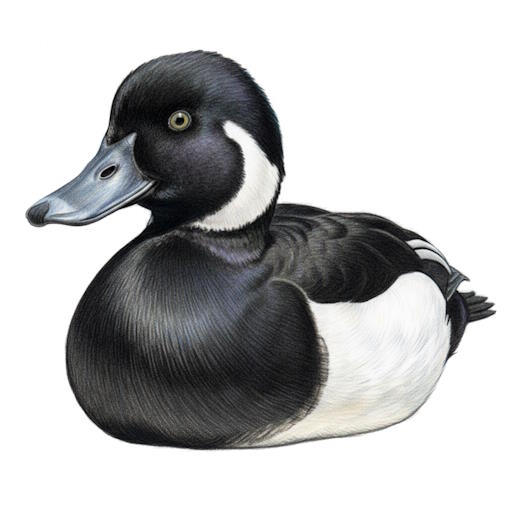
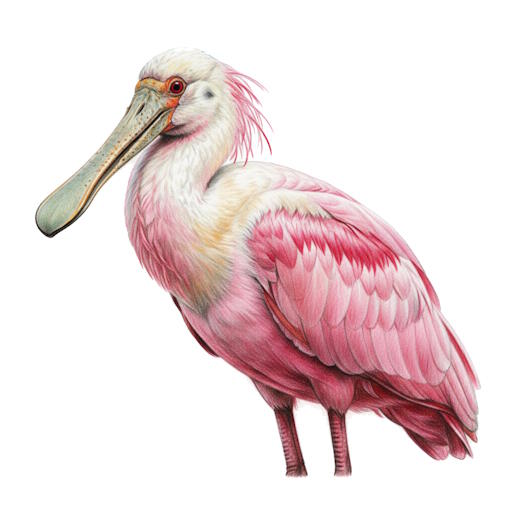
Animals which live in Estuaries Habitat
Click on an image to learn more about one of the animals.