Farmlands
Farmlands, often perceived solely as areas for human food production, are in fact complex and dynamic habitats that support a surprising array of biodiversity. These cultivated landscapes, ranging from vast monoculture fields to small, diversified family farms, play a critical role in both human sustenance and ecological balance. While their primary purpose is agricultural output, farmlands are intricate ecosystems shaped by human intervention and natural processes.
Ecologically, farmlands provide a mosaic of microhabitats. Hedgerows, field margins, drainage ditches, and scattered woodlots within agricultural areas offer crucial refuge and foraging grounds for a variety of species. Birds, insects, small mammals, and even amphibians and reptiles adapt to and thrive in these environments. Pollinators, such as bees and butterflies, are particularly dependent on flowering crops and wildflowers found in and around farmlands, highlighting their essential role in the agricultural cycle itself.
The type of farming practiced significantly influences the biodiversity found in these habitats. Traditional and organic farming methods, which often incorporate crop rotation, reduced pesticide use, and diverse plantings, tend to support higher levels of biodiversity compared to intensive industrial farming. Sustainable agricultural practices aim to enhance the ecological value of farmlands, recognizing that a healthy ecosystem contributes to more resilient and productive farms.
However, farmlands also face environmental challenges. Habitat fragmentation, pesticide runoff, soil degradation, and intensive water usage can negatively impact wildlife populations and ecosystem health. Conservation efforts in farmland habitats focus on promoting practices that mitigate these impacts, such as creating wildlife corridors, restoring riparian zones, and encouraging agroforestry. Understanding farmlands as vital habitats is crucial for developing sustainable agricultural systems that not only feed a growing global population but also protect the rich tapestry of life within these unique landscapes.
From the buzzing of bees in an orchard to the rustling of pheasants in a grain field, farmlands are vibrant and essential ecosystems that deserve our attention and conservation efforts. Their future depends on a balanced approach that integrates food production with ecological stewardship.
Other Habitats
There are lots of other habitats to explore. Check out all of our habitats for more info.
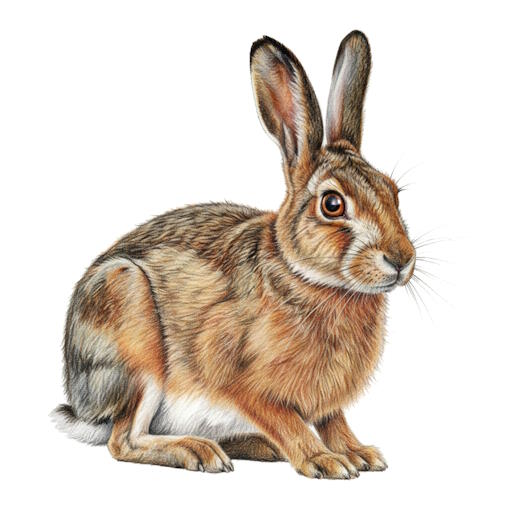
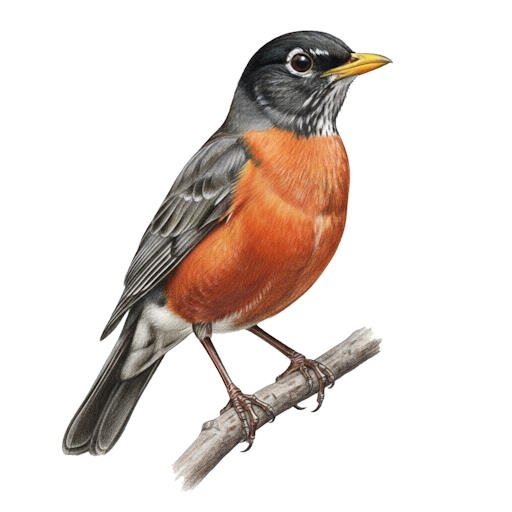
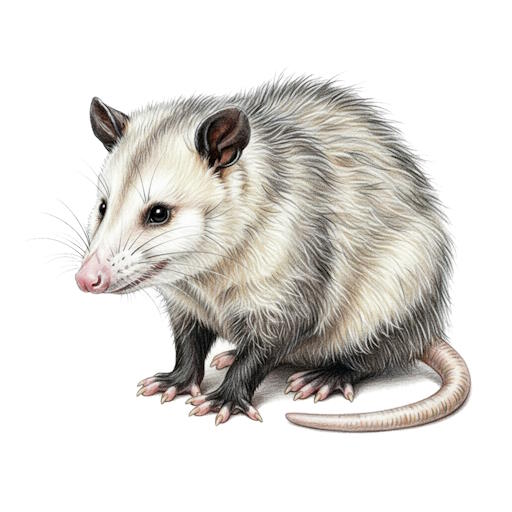
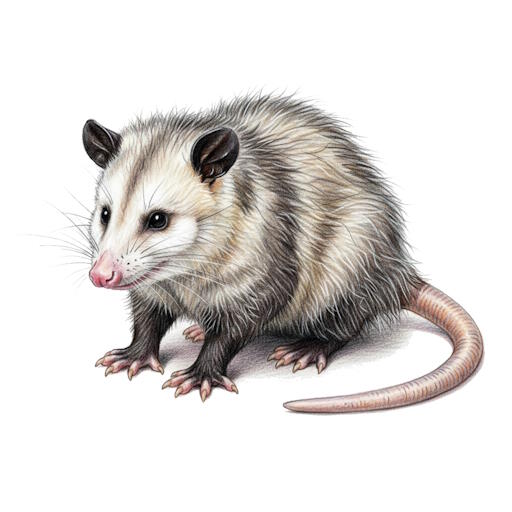
Animals which live in Farmlands Habitat
Click on an image to learn more about one of the animals.