Fast-flowing streams
Fast-flowing streams are dynamic and vibrant freshwater ecosystems, characterized by their rapid currents, rocky beds, and well-oxygenated water. These aquatic habitats are typically found in mountainous or hilly regions, where gravity dictates the swift movement of water from higher elevations to lower ones. The constant motion of the water prevents the accumulation of fine sediments, resulting in a substrate often composed of boulders, cobbles, and gravel. This unique environment supports a specialized community of flora and fauna adapted to withstand and thrive in these challenging conditions.
The high oxygen levels in fast-flowing streams are crucial for the survival of many aquatic organisms. Cold, turbulent water churns and mixes with the air, facilitating the dissolution of oxygen. This makes these habitats ideal for organisms like trout, salmon, and various species of invertebrates such as caddisfly larvae, mayfly nymphs, and stonefly nymphs, which possess gills or flattened bodies to cling to rocks and resist the current. Algae and mosses, which can anchor themselves securely to the substrate, are common plant life found in these environments, forming the base of the food web.
Ecologically, fast-flowing streams play a vital role in connecting different landscapes, transporting nutrients, and serving as essential corridors for fish migration. They also contribute significantly to the overall health of larger river systems by delivering clean, oxygenated water. However, these delicate ecosystems are highly susceptible to environmental changes, including pollution from agricultural runoff, industrial discharge, and urban development. Habitat degradation through deforestation, dam construction, and alteration of natural flow regimes also poses significant threats to the biodiversity they support.
Conservation efforts for fast-flowing streams often focus on maintaining water quality, protecting riparian zones (the vegetated areas alongside the stream), and restoring natural flow patterns. Riparian vegetation is crucial as it helps stabilize banks, filter pollutants, and provide shade, which keeps water temperatures cool. Sustainable land management practices in surrounding areas are also essential to minimize erosion and sediment runoff. By understanding the unique characteristics and ecological importance of fast-flowing streams, we can better appreciate their value and work towards their preservation for future generations.
Other Habitats
There are lots of other habitats to explore. Check out all of our habitats for more info.
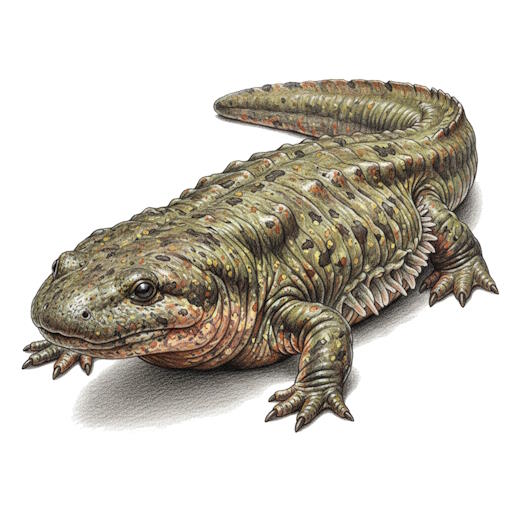
Animals which live in Fast-flowing streams Habitat
Click on an image to learn more about one of the animals.