Fields
Fields, often perceived as simple stretches of open land, are in fact dynamic and incredibly important habitats. These expansive, open areas, whether natural grasslands or cultivated agricultural lands, play a crucial role in supporting a vast array of flora and fauna. Far from being barren, fields are bustling ecosystems, offering sustenance, shelter, and breeding grounds for countless species.
Ecological Significance of Fields
Ecologically, fields are significant for several reasons. Natural grasslands, a type of field, are characterized by their dominant grass species and support a unique biome that contributes to global biodiversity. They act as critical carbon sinks, helping to regulate the Earth's climate by storing carbon in their extensive root systems. Furthermore, fields often serve as vital corridors, connecting fragmented habitats and allowing for the movement of wildlife, which is essential for genetic diversity and the overall health of ecosystems.
Cultivated fields, while managed by humans, also provide ecological benefits. They often host a variety of insect pollinators, birds, and small mammals that adapt to these altered landscapes. Sustainable agricultural practices can enhance these benefits, promoting soil health, water retention, and supporting beneficial insect populations.
Flora and Fauna of Field Habitats
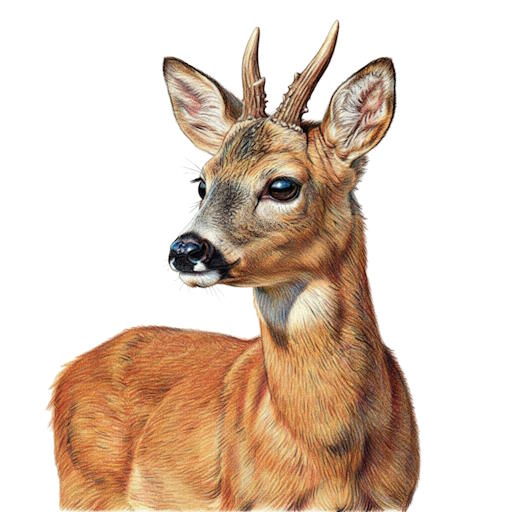
The plant life in fields varies greatly depending on factors such as climate, soil type, and human activity. In natural grasslands, you'll find a rich tapestry of native grasses, wildflowers, and herbs. These plants provide food and shelter for herbivores like deer, rabbits, and various rodents, which in turn support predators such as foxes, coyotes, and birds of prey.
Insect populations thrive in fields, with bees, butterflies, and other pollinators playing a crucial role in the ecosystem. Ground-nesting birds, such as larks and partridges, often make their homes in fields, relying on the cover provided by the vegetation for protection. Reptiles and amphibians may also be present, especially in fields with nearby water sources.
The Human Impact and Conservation of Fields
Human activities have significantly shaped many of the fields we see today, particularly through agriculture. While agriculture is essential for human sustenance, unsustainable practices can lead to habitat degradation, soil erosion, and biodiversity loss. However, with conscious efforts towards conservation and sustainable land management, fields can continue to be productive for humans and supportive of wildlife.
Conservation efforts for field habitats often focus on promoting biodiversity through practices like planting native wildflowers, reducing pesticide use, and maintaining hedgerows and buffer zones. Recognizing the ecological value of fields, beyond their agricultural potential, is key to preserving these vital and often underestimated ecosystems for future generations.
Other Habitats
There are lots of other habitats to explore. Check out all of our habitats for more info.
Animals which live in Fields Habitat
Click on an image to learn more about one of the animals.