Forests Near Large Bodies Of Water
Forests near large bodies of water represent a unique and ecologically vital habitat, where the terrestrial and aquatic realms intertwine to create a rich tapestry of life. These environments, found adjacent to oceans, large lakes, and major rivers, benefit from the moderating influence of the water, which often leads to more stable temperatures and higher humidity compared to inland forests. This consistent moisture supports a diverse array of plant species, from towering trees like alders, willows, and certain conifers that thrive in damp conditions, to a lush understory of ferns, mosses, and moisture-loving wildflowers.
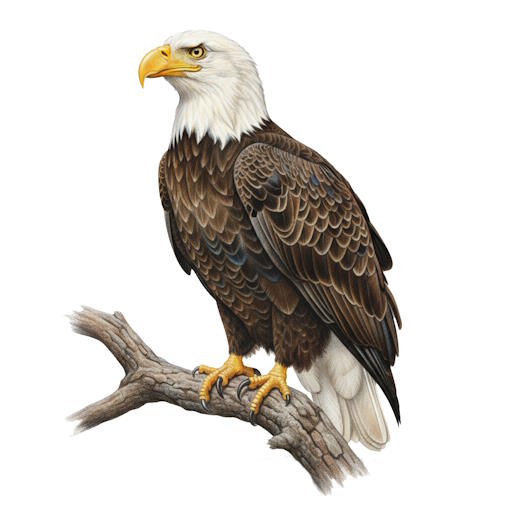
The proximity to water bodies also profoundly impacts the animal inhabitants. These forests serve as crucial breeding grounds, feeding areas, and migratory stopovers for a vast range of wildlife. Aquatic insects, fish, and amphibians often lay their eggs and find shelter in the calmer waters and vegetation along the forest's edge. Mammals like beavers, otters, and various deer species are frequently found, utilizing both the forest for cover and food, and the water for foraging and escape. Birdlife is particularly abundant and diverse, with waterfowl nesting along the shores, raptors hunting over the water, and numerous songbirds relying on the rich insect populations and abundant nesting sites within the trees.
Furthermore, these riparian and coastal forests play a critical role in maintaining the health of the adjacent water bodies. Their extensive root systems stabilize the soil, preventing erosion and reducing sedimentation in the water. The canopy provides shade, helping to regulate water temperature and create cooler microclimates vital for certain aquatic species. They also act as natural filters, absorbing pollutants and excess nutrients from runoff before they enter the water, thus contributing to cleaner and healthier aquatic ecosystems. The fallen leaves and branches contribute organic matter to the water, forming the base of detritus-based food webs that sustain a multitude of aquatic organisms.
Human activities, such as logging, development, and pollution, pose significant threats to these delicate ecosystems. Conservation efforts are crucial to protect these invaluable habitats, recognizing their dual importance for both terrestrial and aquatic biodiversity. Preserving the integrity of forests near large bodies of water ensures the continued health of countless species and the ecological balance of these dynamic interfaces.
Other Habitats
There are lots of other habitats to explore. Check out all of our habitats for more info.
Animals which live in Forests Near Large Bodies Of Water Habitat
Click on an image to learn more about one of the animals.