Forests Near Water
Forests Near Water: A Vibrant Ecosystem Where Land Meets Life-Giving Liquid
Forests near water, often referred to as riparian forests or gallery forests, represent some of the most dynamic and biodiverse ecosystems on Earth. These unique habitats thrive at the crucial intersection of terrestrial and aquatic environments, where the life-giving presence of rivers, lakes, streams, or coastlines profoundly influences the flora and fauna that call them home. The close proximity to water creates a microclimate characterized by higher humidity and more stable temperatures, fostering a richer array of plant and animal life than inland forests might support.
One of the defining features of forests near water is the abundance and diversity of plant species. Water availability allows for lush growth, often including moisture-loving trees like willows, alders, cottonwoods, and various broadleaf species. These trees, in turn, provide crucial shade that helps regulate water temperature, benefiting aquatic life. The dense canopy and understory vegetation also create a complex structural habitat, offering shelter, nesting sites, and food sources for a multitude of creatures. From towering trees whose roots stabilize riverbanks to a vibrant undergrowth of ferns, mosses, and wildflowers, the plant communities here are remarkably resilient and interconnected.
The ecological significance of these forests extends far beyond their immediate boundaries. They act as natural filters, trapping sediments and pollutants from agricultural runoff and urban areas before they can enter waterways, thus improving water quality. Their extensive root systems play a vital role in preventing erosion and maintaining the stability of riverbanks and shorelines, especially during floods. Furthermore, these green corridors serve as essential migratory pathways for wildlife, connecting fragmented habitats and allowing for the movement of species across landscapes. They are critical stopovers for migratory birds, offering safe resting and feeding grounds.
Wildlife in forests near water is exceptionally diverse, reflecting the richness of both terrestrial and aquatic resources. Mammals like deer, raccoons, and even bears often frequent these areas for water, food, and cover. The birdlife is particularly spectacular, with numerous species adapted to both forest and wetland environments, including kingfishers, herons, waterfowl, and a wide array of songbirds. Amphibians and reptiles thrive in the damp conditions, while the water itself teems with fish, insects, and other aquatic invertebrates, providing a constant food supply for many terrestrial predators. The interplay between these different communities creates a delicate balance, where each component contributes to the overall health and vitality of the ecosystem.
However, forests near water are also among the most threatened habitats globally due to human activities. Deforestation, agricultural expansion, urbanization, and pollution all exert immense pressure on these sensitive ecosystems. Protecting and restoring these invaluable areas is crucial for maintaining biodiversity, ensuring clean water supplies, and mitigating the impacts of climate change. Conservation efforts often focus on sustainable land management, riparian buffer zone establishment, and the restoration of natural hydrological processes to ensure the continued health and vitality of these essential "forests near water."
Other Habitats
There are lots of other habitats to explore. Check out all of our habitats for more info.
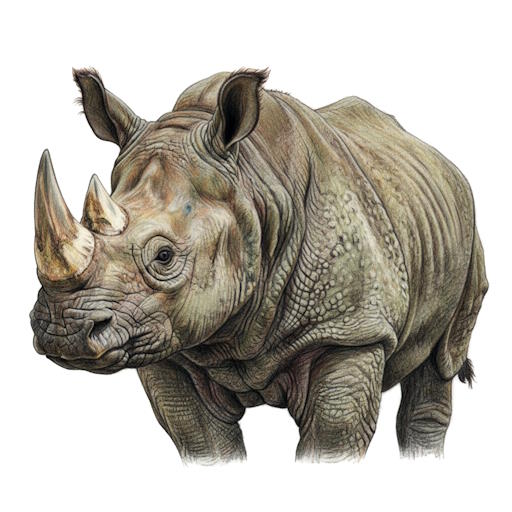
Animals which live in Forests Near Water Habitat
Click on an image to learn more about one of the animals.