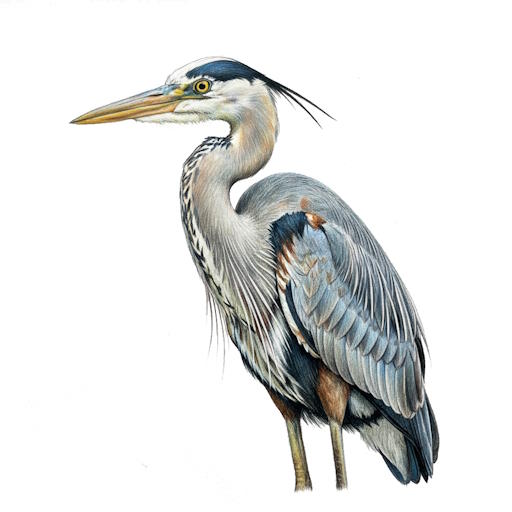
Freshwater
Freshwater habitats are invaluable ecosystems encompassing a diverse range of aquatic environments, from the serene stillness of lakes and ponds to the dynamic flow of rivers and streams, and the intricate networks of wetlands. Unlike marine or brackish environments, freshwater sources are characterized by their low salt concentration, supporting a unique array of flora and fauna adapted to these specific conditions.
Types of Freshwater Habitats:
- Lakes and Ponds: These standing bodies of water vary greatly in size and depth, forming stratified layers that influence nutrient distribution and species habitation. From shallow ponds teeming with aquatic plants to deep, ancient lakes, they provide critical breeding grounds and diverse microhabitats.
- Rivers and Streams: Characterized by unidirectional flow, these habitats transport nutrients and sediment, shaping the landscape and supporting organisms adapted to varying current speeds. Headwaters are often cold and oxygen-rich, while downstream sections become wider, warmer, and more sediment-laden.
- Wetlands: Including marshes, swamps, and bogs, wetlands are transitional zones where land is saturated with water, either permanently or seasonally. They act as natural filters, improve water quality, and provide essential habitats for a vast number of species, often serving as nurseries for fish and amphibians.
- Groundwater: While less visible, underground aquifers represent a significant freshwater reservoir, crucial for drinking water and supporting unique subterranean ecosystems.
Biodiversity and Ecological Importance:
Freshwater habitats are hotspots of biodiversity, supporting an astonishing variety of life. Fish, amphibians, reptiles, insects, mollusks, and numerous plant species call these environments home. Many species, like migratory fish and waterfowl, rely on a network of interconnected freshwater systems for their life cycles. These habitats are vital for global water cycles, providing essential drinking water, supporting agriculture, and regulating local climates.
Threats to Freshwater Ecosystems:
Despite their importance, freshwater habitats face numerous threats, including pollution from industrial, agricultural, and urban runoff; habitat destruction due to dam construction, urbanization, and deforestation; over-extraction of water for human use; and the impacts of climate change, leading to altered precipitation patterns and increased water temperatures. Invasive species also pose a significant threat, outcompeting native organisms and disrupting ecological balance.
Conservation Efforts:
Protecting freshwater habitats is paramount. Conservation strategies focus on reducing pollution through improved wastewater treatment and sustainable agricultural practices, restoring degraded habitats, managing water resources efficiently, and establishing protected areas. Educating the public about the value of freshwater ecosystems and promoting responsible water use are also crucial steps in ensuring the health and longevity of these vital environments for future generations.
Other Habitats
There are lots of other habitats to explore. Check out all of our habitats for more info.
Animals which live in Freshwater Habitat
Click on an image to learn more about one of the animals.