Freshwater Lakes
Freshwater Lakes: Vital Ecosystems and Biodiversity Hotspots
Freshwater lakes are essential inland aquatic ecosystems, characterized by standing bodies of relatively still, fresh water. These diverse habitats vary greatly in size, depth, and chemical composition, ranging from small, shallow ponds to vast, deep basins like the Great Lakes of North America or Lake Baikal in Siberia. They are formed through various geological processes, including glacial activity, tectonic shifts, volcanic eruptions, and even human-made dams.
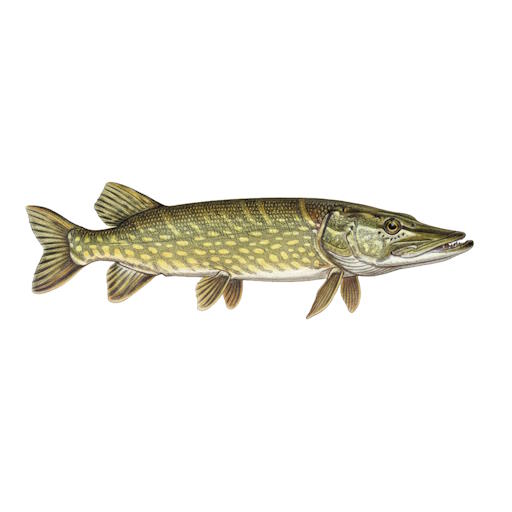
Ecologically, freshwater lakes are incredibly productive and support a rich array of life. The shallow, nearshore areas, known as the littoral zone, are teeming with aquatic plants like cattails, water lilies, and submerged macrophytes, providing crucial habitat and food for invertebrates, fish, and waterfowl. Deeper, open-water zones (pelagic zone) are dominated by phytoplankton and zooplankton, forming the base of the food web for many fish species, including trout, bass, and pike. The deepest parts of lakes, the benthic zone, support organisms adapted to low light and oxygen conditions, such as benthic invertebrates and certain fish.
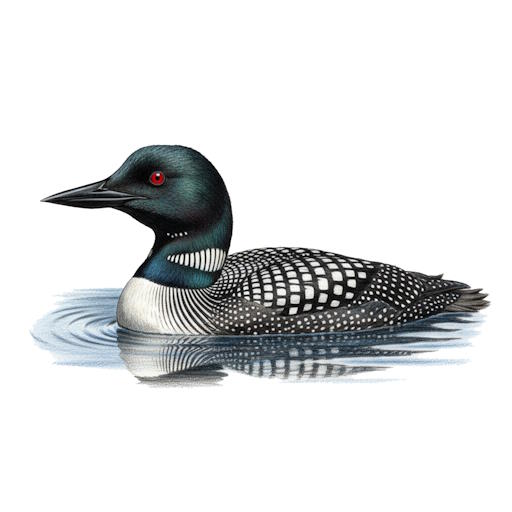
Freshwater lakes play a critical role in the global water cycle, acting as natural reservoirs that collect and store precipitation and runoff. They are vital sources of drinking water for human populations, irrigation for agriculture, and provide opportunities for recreation such as fishing, boating, and swimming. Many lakes also serve as important migratory stopovers and breeding grounds for numerous bird species.
However, freshwater lakes face significant environmental challenges. Pollution from agricultural runoff, industrial discharge, and urban development can lead to eutrophication, causing algal blooms, oxygen depletion, and a decline in biodiversity. Overfishing, habitat destruction, and the introduction of invasive species further threaten the delicate balance of these ecosystems. Conservation efforts are crucial to protect and restore the health of freshwater lakes, ensuring their continued ecological function and the provision of essential services to both wildlife and human communities.
Understanding the unique characteristics and ecological importance of freshwater lakes is paramount for effective management and preservation. By mitigating pollution, managing fish stocks sustainably, and restoring degraded habitats, we can safeguard these invaluable natural treasures for future generations.
Other Habitats
There are lots of other habitats to explore. Check out all of our habitats for more info.
Animals which live in Freshwater Lakes Habitat
Click on an image to learn more about one of the animals.