Freshwater rivers
Freshwater rivers are dynamic and vital ecosystems, serving as lifelines that carve through landscapes, transport sediment and nutrients, and support an incredible diversity of life. These flowing bodies of water originate from various sources, including mountain springs, melting glaciers, and rainfall runoff, eventually making their way to larger rivers, lakes, or the ocean. Their journey shapes the surrounding environment, creating floodplains, deltas, and riparian zones that are essential for countless species.
The characteristics of freshwater rivers vary widely, influenced by factors such as climate, geology, and human activity. Some rivers are fast-flowing and turbulent, particularly in their upper reaches, providing oxygen-rich habitats for species adapted to strong currents. Others are slow-moving and meandering, especially in flatter plains, allowing for the accumulation of fine sediments and the growth of diverse aquatic vegetation. This variety in flow rates, substrate, and water chemistry contributes to the unique ecological niches found within different river systems.
Freshwater rivers are biodiversity hotspots, teeming with an array of fish, amphibians, reptiles, insects, and mammals. They provide essential breeding grounds, feeding areas, and migratory pathways. For instance, salmon undertake incredible upstream journeys to spawn, while otters and beavers thrive in the abundant food sources found along riverbanks. The vegetation bordering rivers, known as riparian zones, acts as a crucial buffer, filtering pollutants, stabilizing banks, and offering critical habitat and food for both aquatic and terrestrial species.
Beyond their ecological significance, freshwater rivers are indispensable to human societies. They serve as primary sources of drinking water, provide irrigation for agriculture, and generate hydroelectric power. Rivers have historically been central to transportation and trade, fostering the development of cities and communities along their banks. They also offer numerous recreational opportunities, including fishing, kayaking, and swimming, connecting people with nature and promoting well-being.
Despite their importance, freshwater rivers face numerous threats from human activities. Pollution from industrial discharge, agricultural runoff, and urban waste contaminates water quality, harming aquatic life and rendering water unsafe for human consumption. Dam construction alters natural flow regimes, fragmenting habitats and impeding species migration. Climate change further exacerbates these issues, leading to altered precipitation patterns, increased water temperatures, and more frequent extreme weather events like floods and droughts. Conservation efforts are therefore crucial to protect these invaluable ecosystems, focusing on sustainable water management, pollution reduction, habitat restoration, and the establishment of protected areas to ensure the long-term health and vitality of freshwater rivers for both nature and people.
Other Habitats
There are lots of other habitats to explore. Check out all of our habitats for more info.
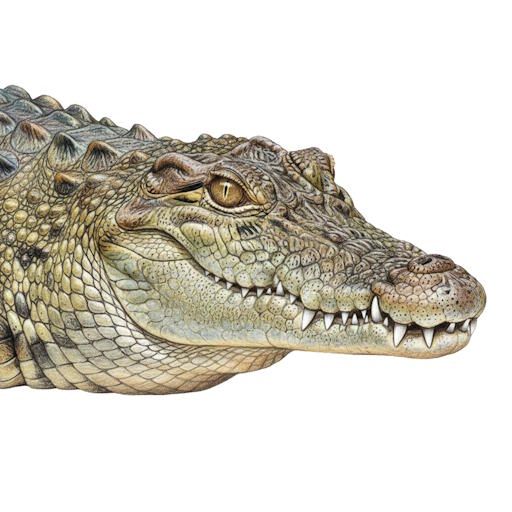
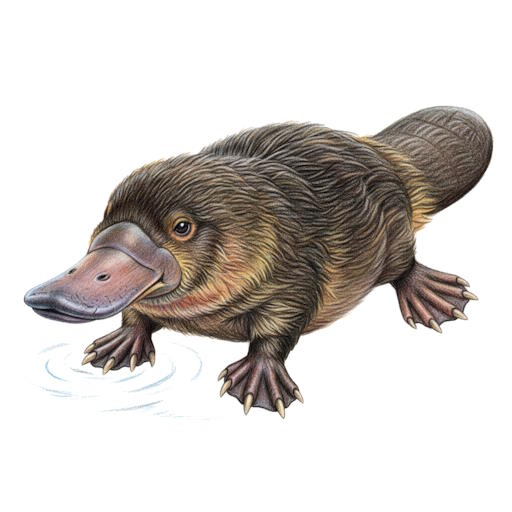
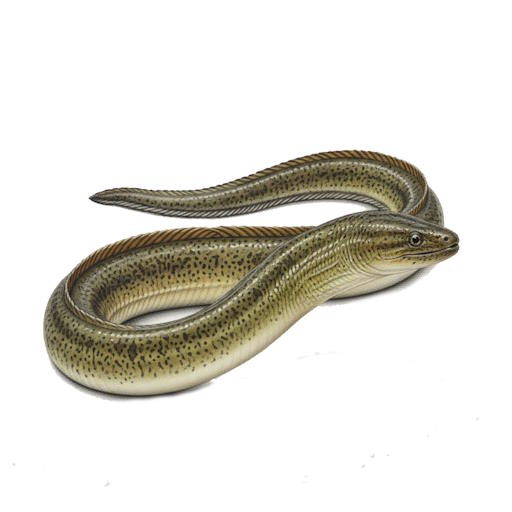
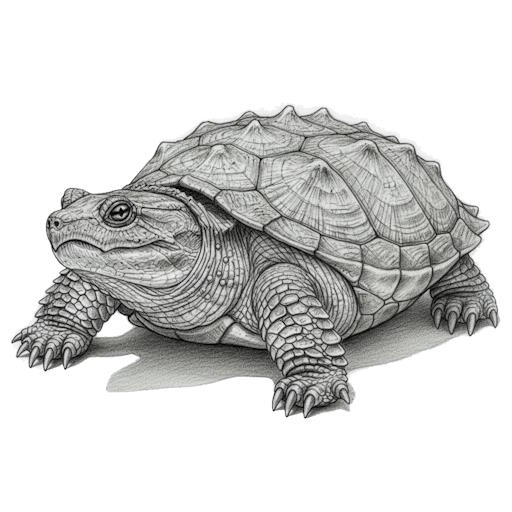
Animals which live in Freshwater rivers Habitat
Click on an image to learn more about one of the animals.