Gardens
Gardens, whether sprawling botanical masterpieces or quaint backyard havens, represent a unique and vital habitat type deeply intertwined with human activity. These cultivated spaces, designed for aesthetic pleasure, food production, or scientific study, offer a surprisingly rich and diverse ecosystem for a multitude of species. Far from being sterile, artificial environments, gardens are dynamic landscapes that provide food, shelter, and breeding grounds for a variety of flora and fauna, often acting as crucial stepping stones or refuges in increasingly urbanized or fragmented landscapes.
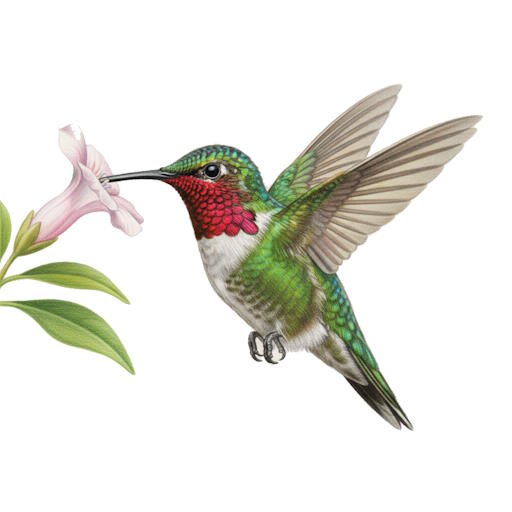
The ecological value of gardens stems from their varied plant life, which in turn supports a complex web of interactions. Flowering plants attract pollinators such as bees, butterflies, and hummingbirds, vital for the reproduction of many species and the health of the wider ecosystem. Fruit-bearing trees and shrubs offer sustenance to birds and small mammals. The layered structure of gardens, from ground cover and herbaceous plants to shrubs and trees, provides diverse niches for insects, arachnids, and small vertebrates. Even seemingly simple elements like a patch of wildflowers or a small pond can significantly enhance biodiversity.
Beyond their role as wildlife habitats, gardens also contribute to human well-being and environmental health. They improve air quality by absorbing pollutants, mitigate the urban heat island effect, and help manage stormwater runoff. For humans, gardens offer spaces for relaxation, recreation, and connection with nature, promoting mental and physical health. They can also be instrumental in promoting sustainable practices, such as composting, rainwater harvesting, and organic pest control, reducing our environmental footprint.
Optimizing gardens for biodiversity and ecological function involves thoughtful planning and maintenance. Choosing native plant species that are well-adapted to the local climate and soil conditions can significantly increase their appeal to local wildlife. Providing sources of water, such as bird baths or small ponds, and incorporating diverse plant structures and densities can create a more inviting environment. Minimizing the use of pesticides and herbicides is paramount to protecting beneficial insects and the wider food chain. Ultimately, a garden is more than just a collection of plants; it is a living, breathing ecosystem that, when nurtured with ecological principles in mind, can flourish as a vibrant sanctuary for both nature and people.
Other Habitats
There are lots of other habitats to explore. Check out all of our habitats for more info.
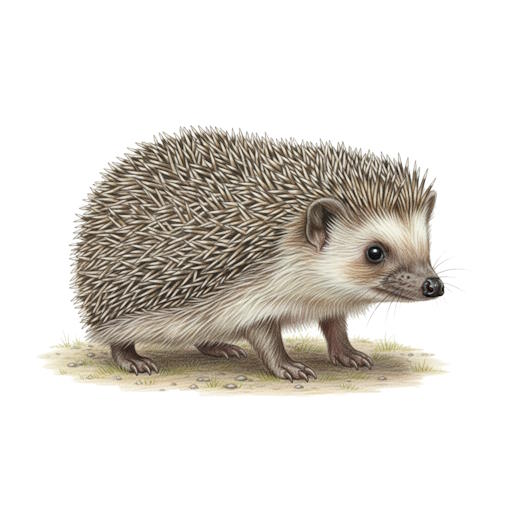
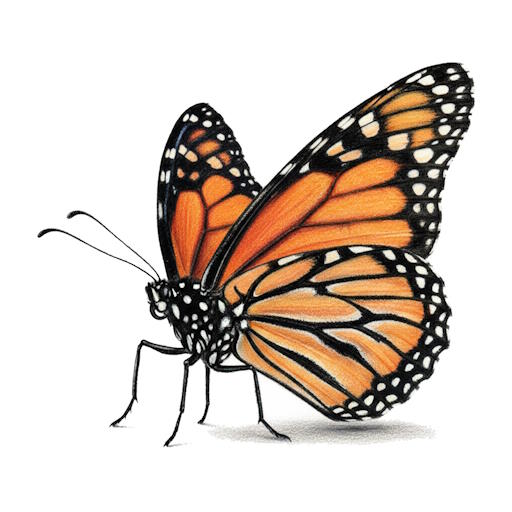
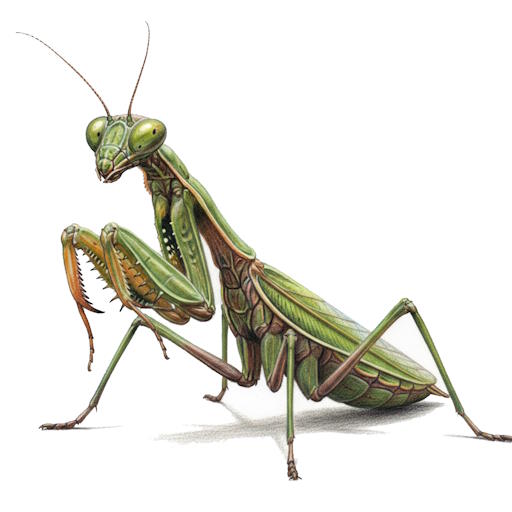
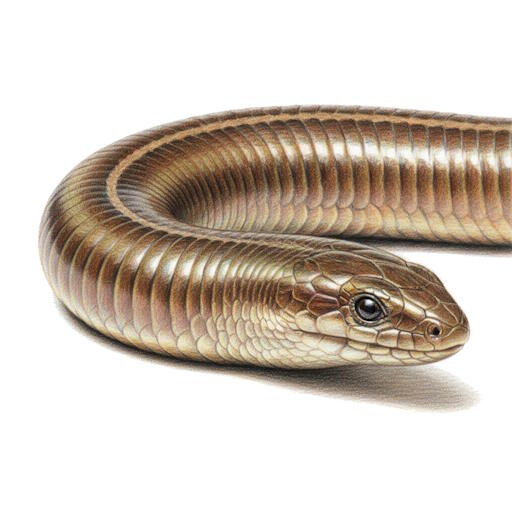
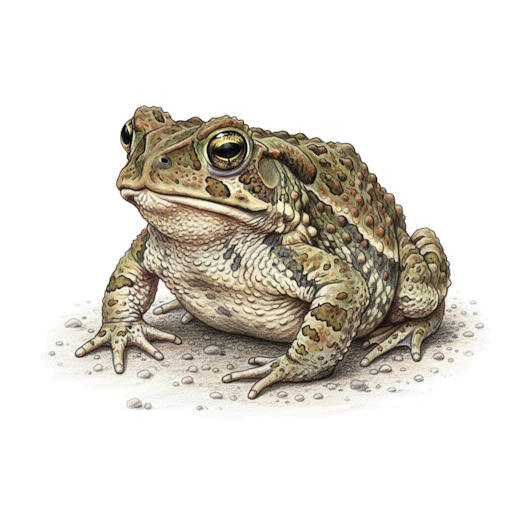
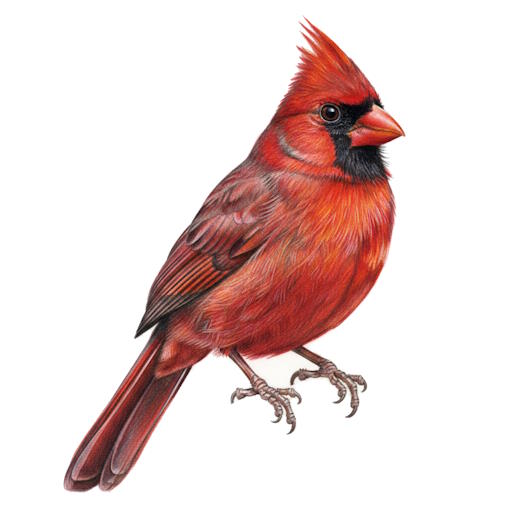
Animals which live in Gardens Habitat
Click on an image to learn more about one of the animals.