Grasslands
Grasslands are vast, open areas dominated by various species of grasses, with scattered trees and shrubs in some regions. These biologically rich habitats cover approximately 20-40% of the Earth's land surface and are found on every continent except Antarctica. They are characterized by a climate that supports grass growth but is insufficient for extensive forest development, typically experiencing moderate rainfall and seasonal droughts.
Types of Grasslands
There are two primary types of grasslands:
- Temperate Grasslands: These include prairies in North America, steppes in Eurasia, and pampas in South America. They experience distinct seasonal changes, with hot summers and cold winters. The rich, fertile soils of temperate grasslands are ideal for agriculture, making them some of the most productive farmlands globally.
- Tropical Grasslands (Savannas): Found in Africa, South America, and Australia, savannas are characterized by warm temperatures year-round and distinct wet and dry seasons. They often feature scattered trees like acacias and baobabs, and support a wide array of grazing animals.
Biodiversity and Ecological Importance
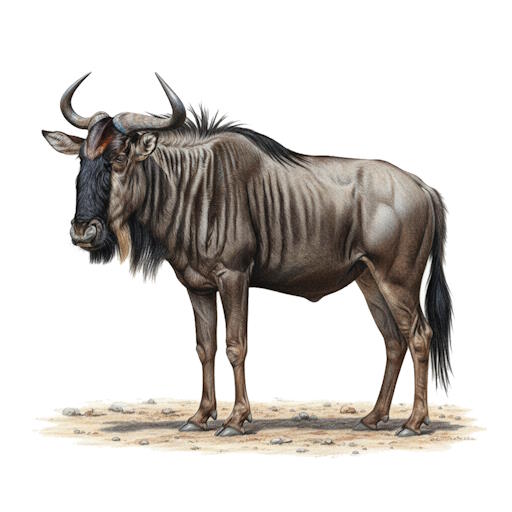
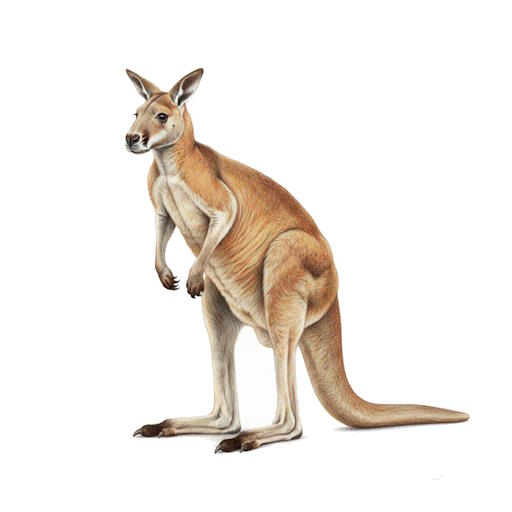
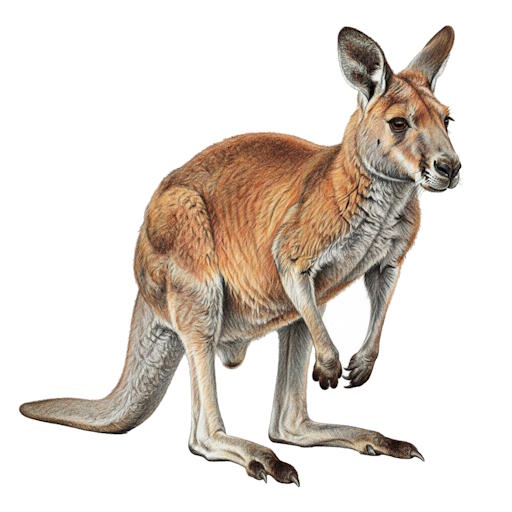
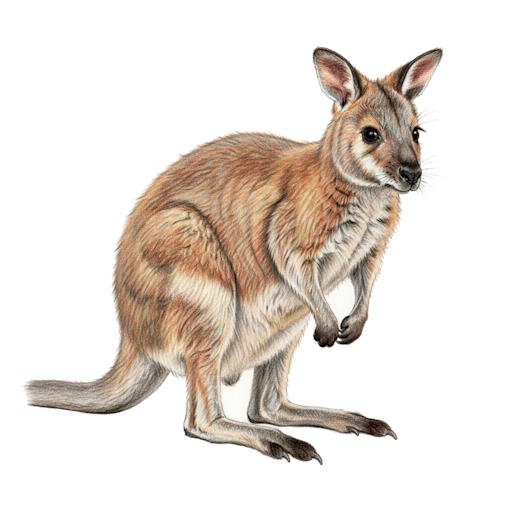
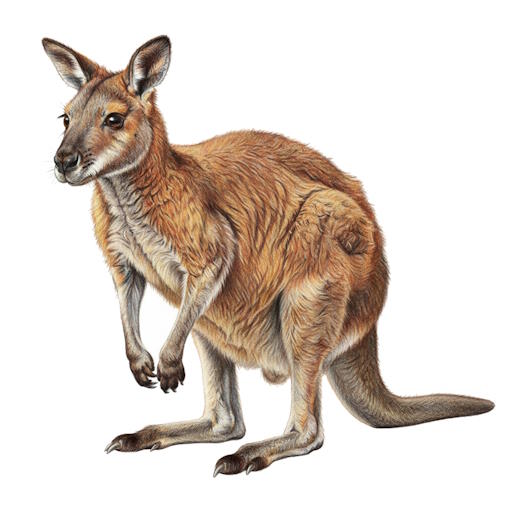
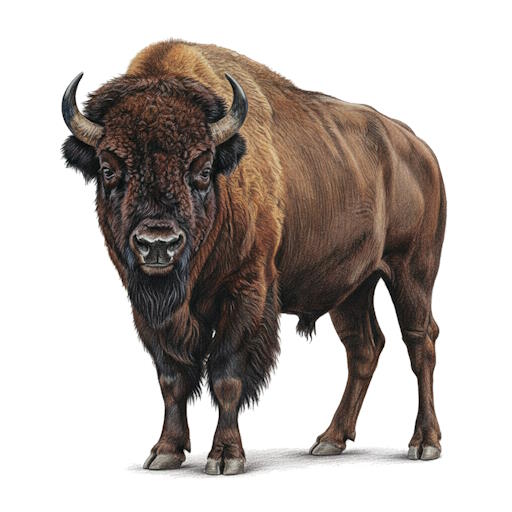
Grasslands are crucial ecosystems supporting immense biodiversity. They are home to a diverse range of herbivores, such as bison, zebras, wildebeest, and kangaroos, which graze on the abundant grasses. These grazers, in turn, support populations of predators like wolves, lions, and cheetahs. Birds, insects, and burrowing animals also thrive in these environments, contributing to a complex food web.
Beyond wildlife, grasslands play a vital role in global ecological processes. Their extensive root systems help prevent soil erosion, maintain soil health, and cycle nutrients. They are also significant carbon sinks, absorbing atmospheric carbon dioxide and storing it in their soils, which helps regulate global climate. The tall grasses and diverse plant life provide critical forage for livestock, supporting agricultural economies worldwide.
Threats to Grassland Ecosystems
Despite their importance, grasslands face numerous threats, primarily from human activities. Agricultural conversion is a major factor, as fertile grassland soils are often transformed into croplands. Overgrazing by livestock can lead to soil degradation, erosion, and desertification. Climate change also poses a significant risk, altering rainfall patterns and increasing the frequency of droughts and wildfires, which can devastate grassland ecosystems. Urban development and the spread of invasive species further fragment and degrade these valuable habitats.
Conservation Efforts
Conservation efforts are essential to protect and restore grasslands. Sustainable grazing practices, such as rotational grazing, can help maintain grassland health and productivity. Protecting remaining intact grasslands and restoring degraded areas through native plant reintroduction are also critical. Establishing protected areas and promoting responsible land management practices are vital steps in ensuring the long-term survival of these dynamic and indispensable ecosystems for future generations.
Other Habitats
There are lots of other habitats to explore. Check out all of our habitats for more info.
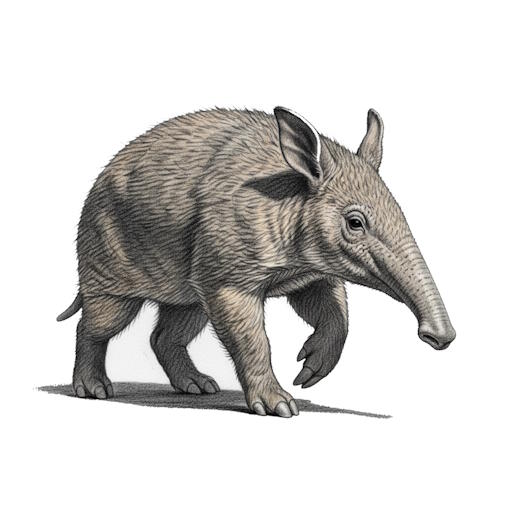
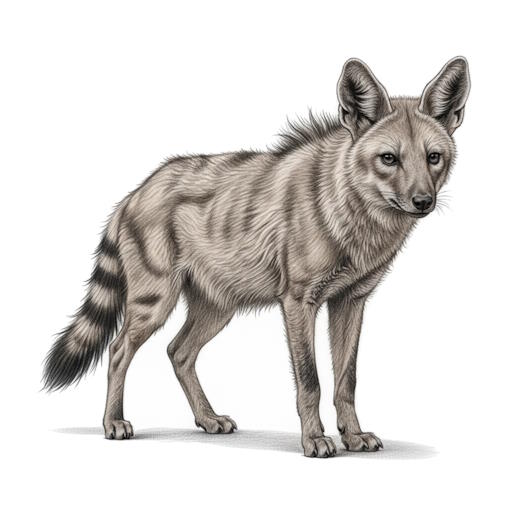
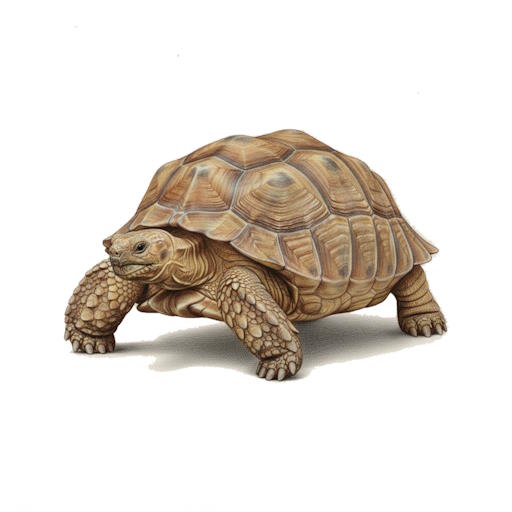
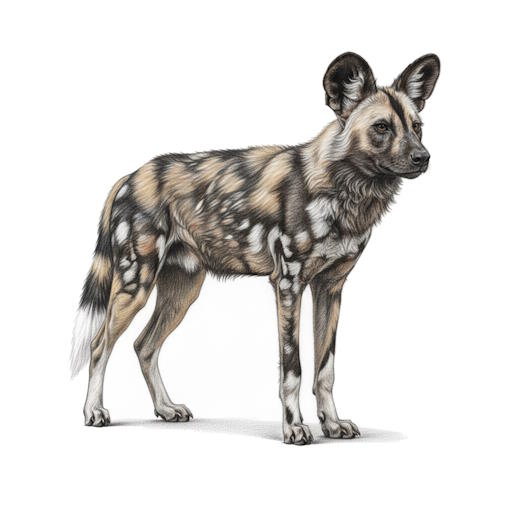
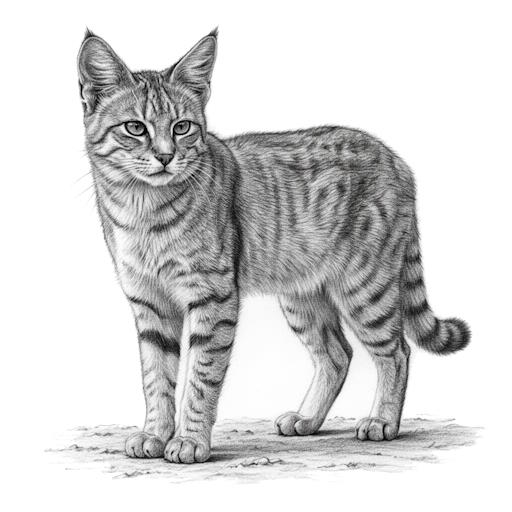
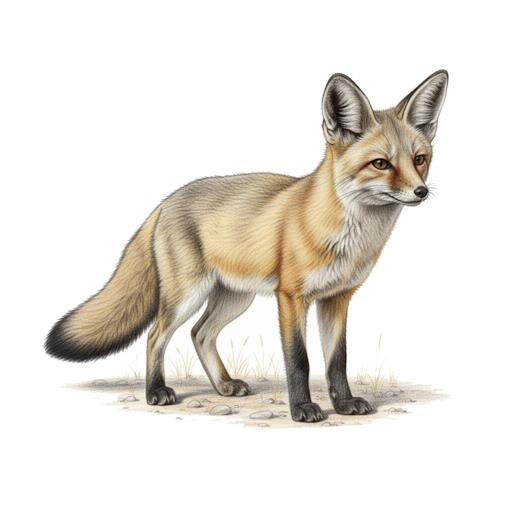
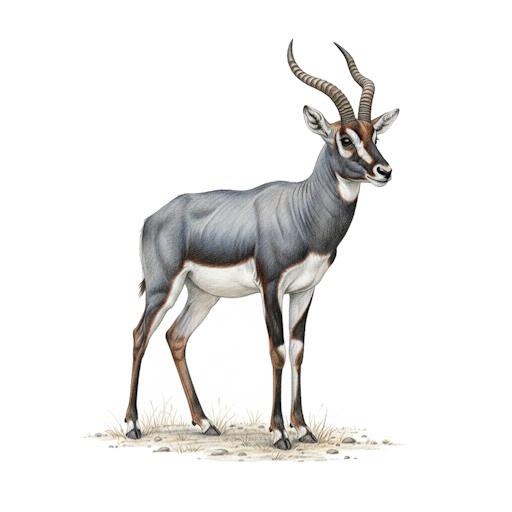
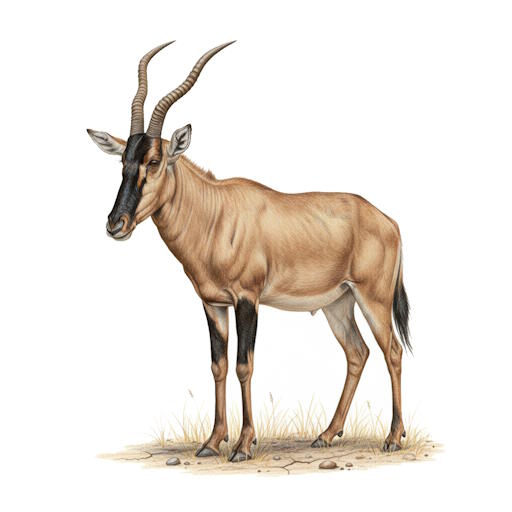
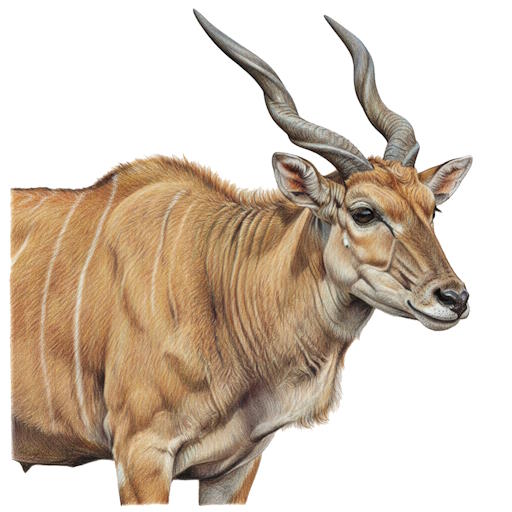
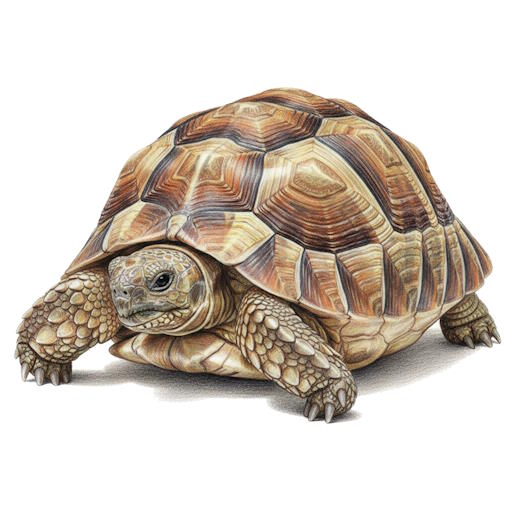
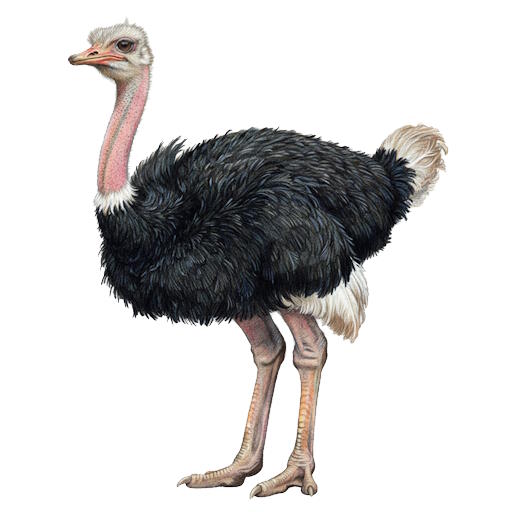
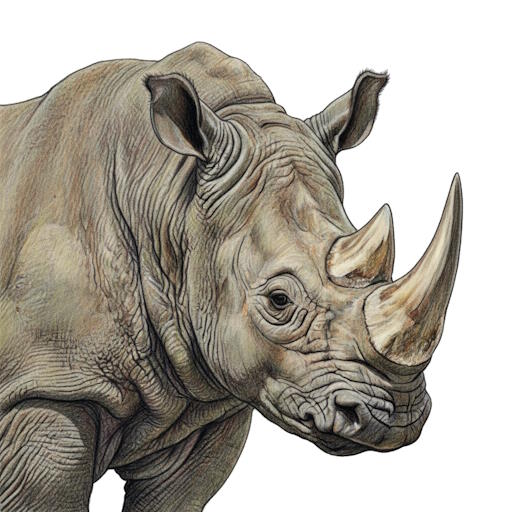
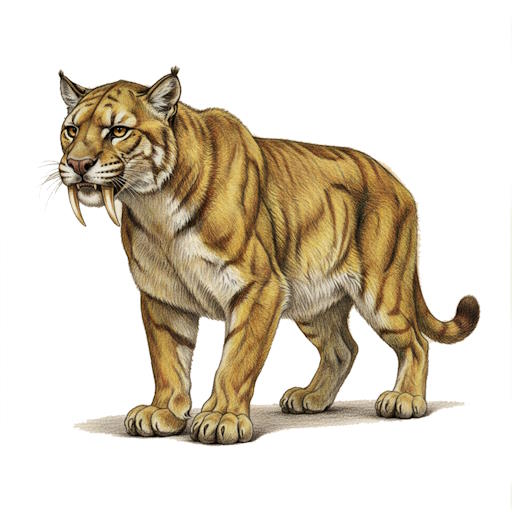
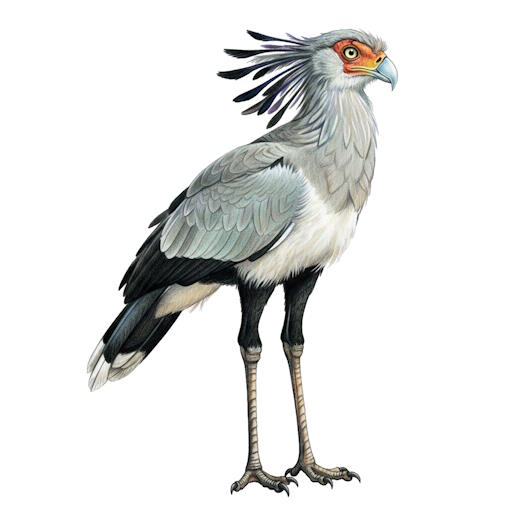
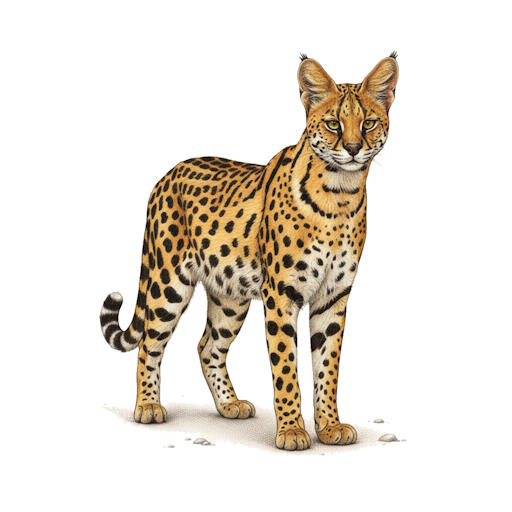
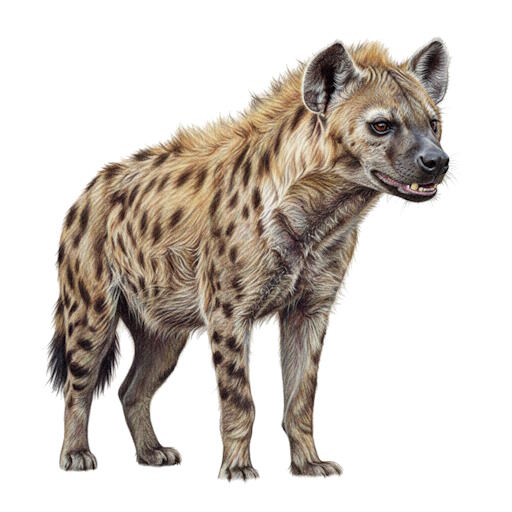
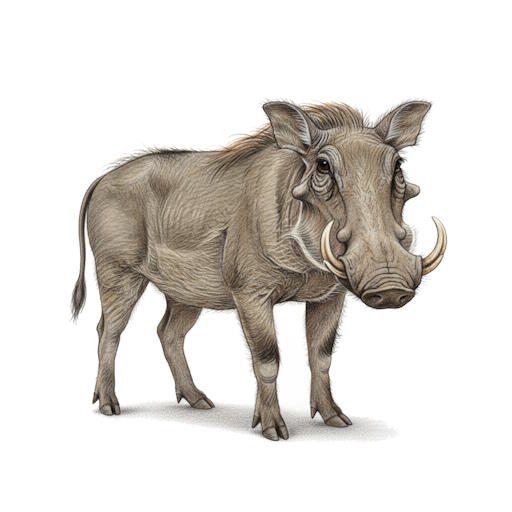
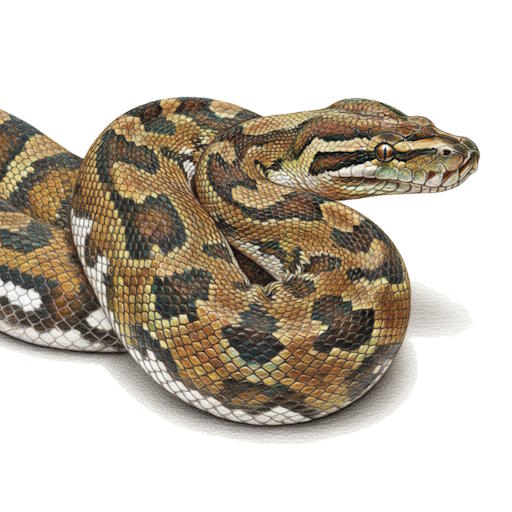
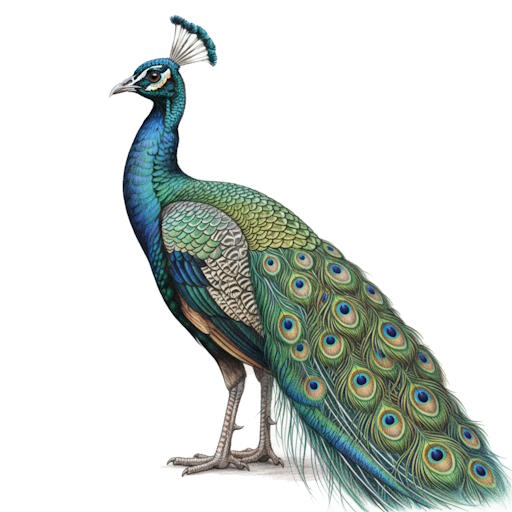
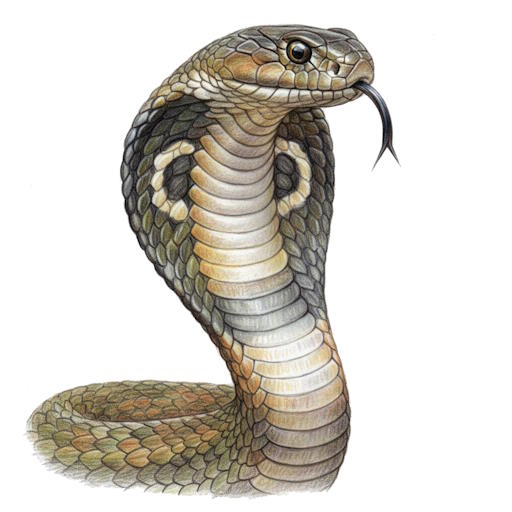
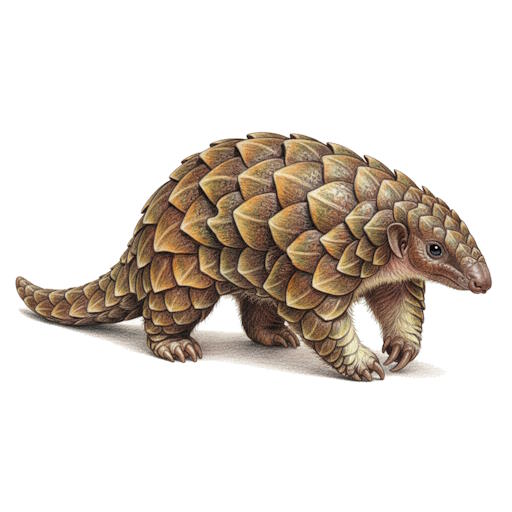
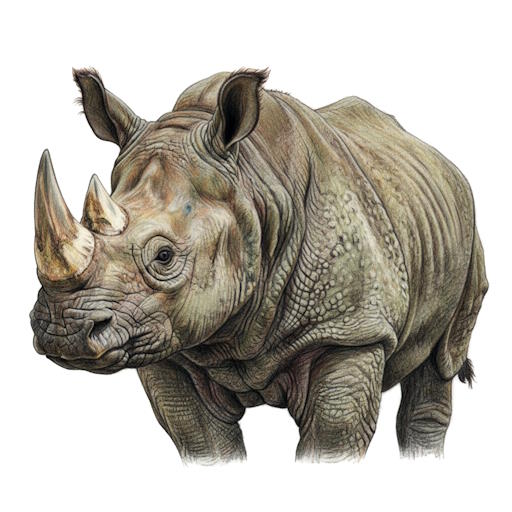
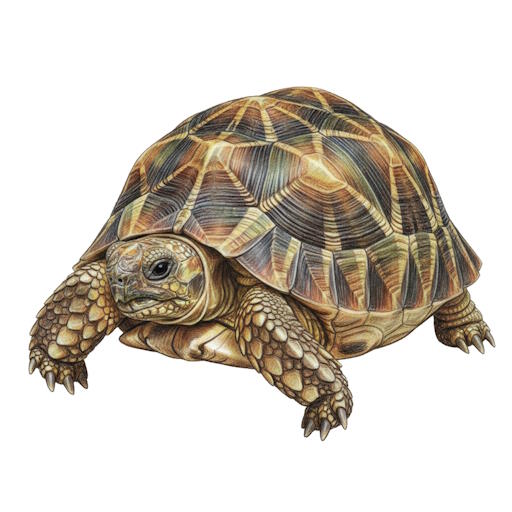
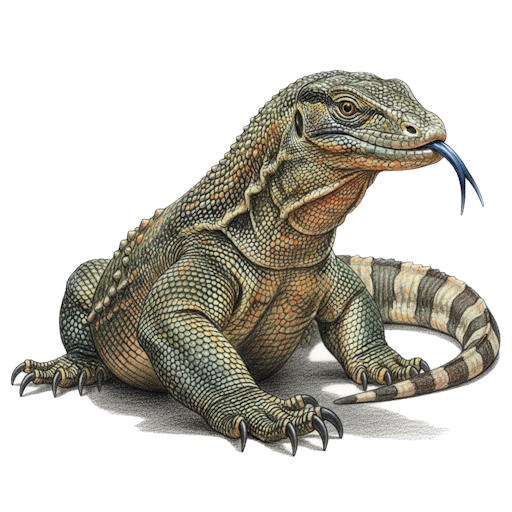
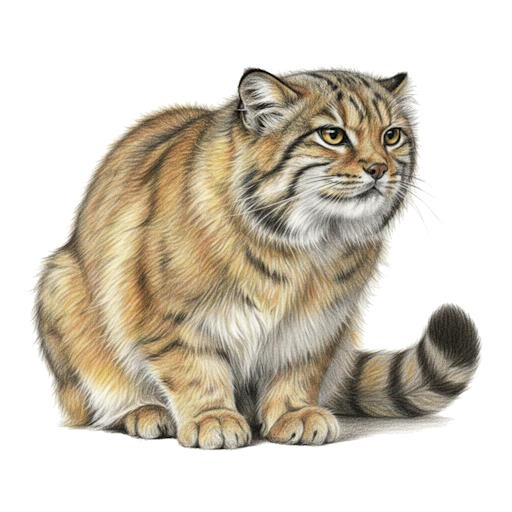
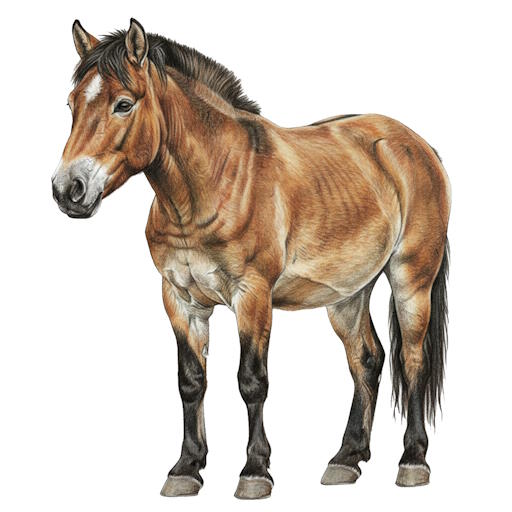
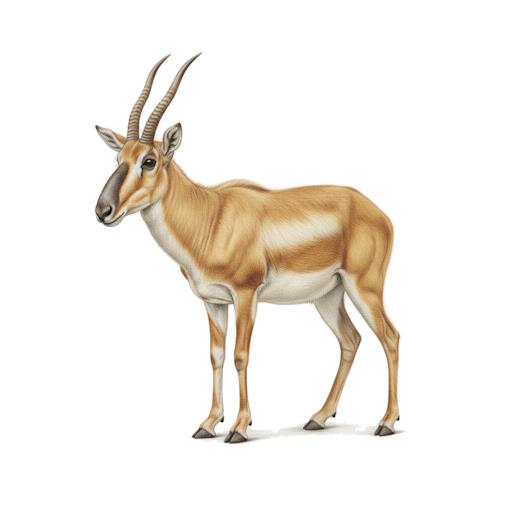
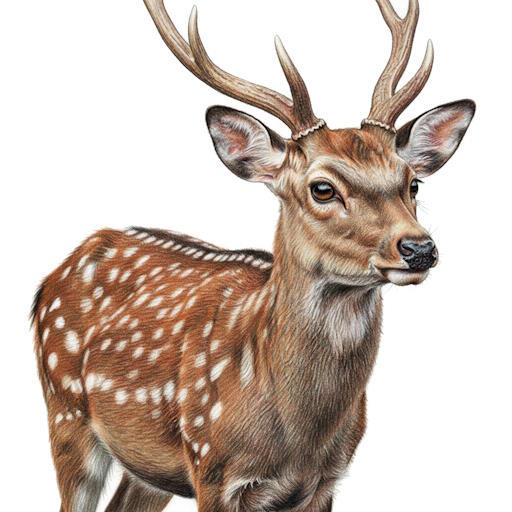
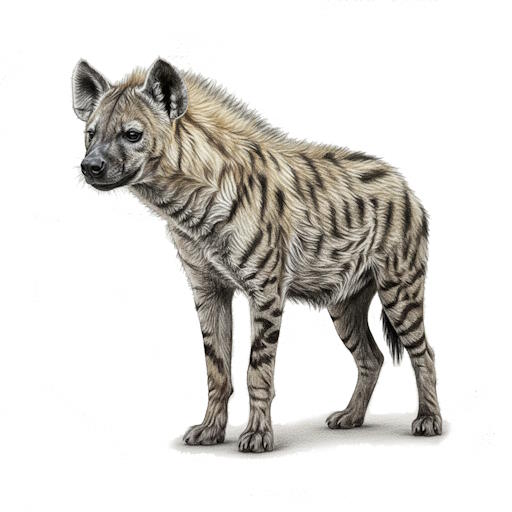
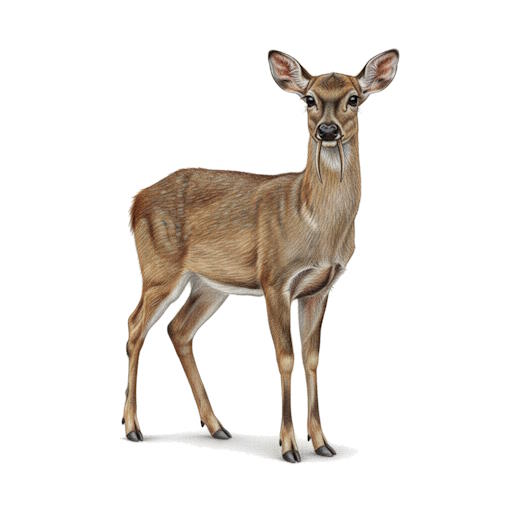
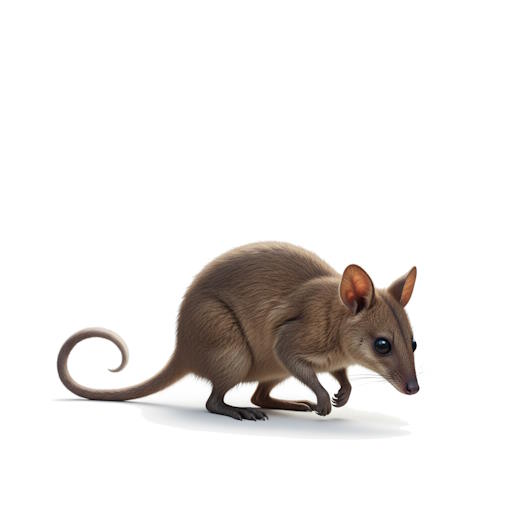
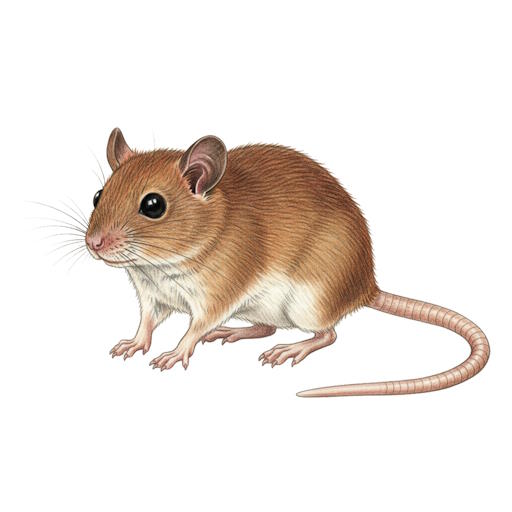
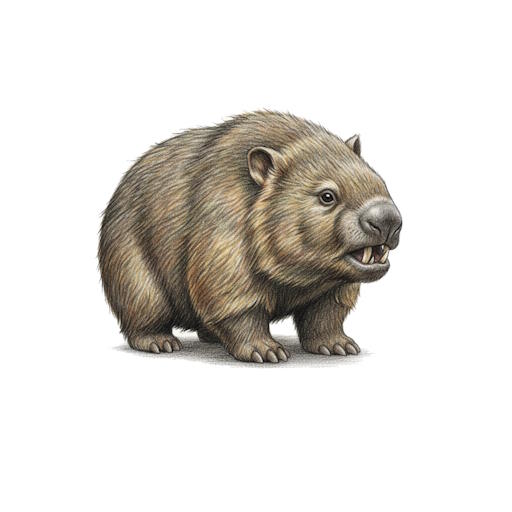
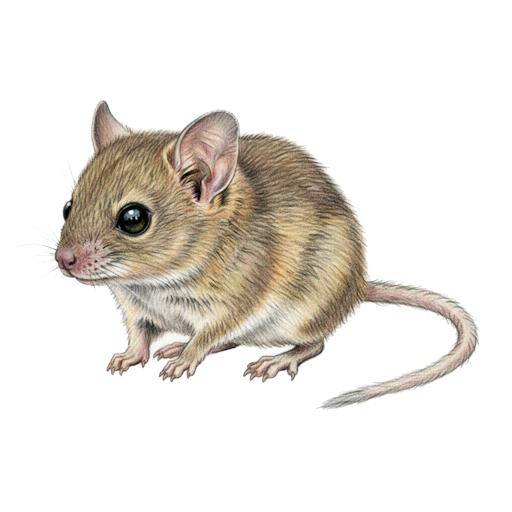
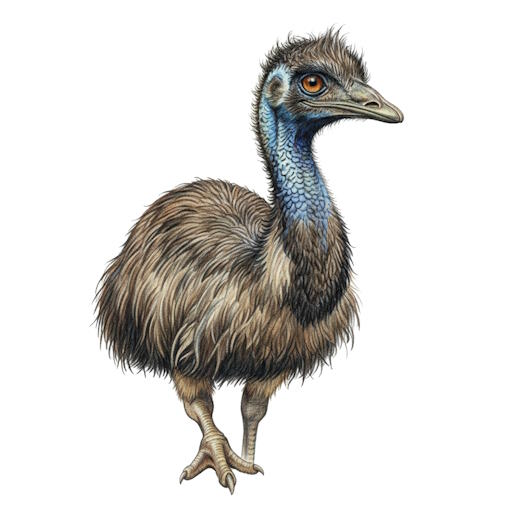
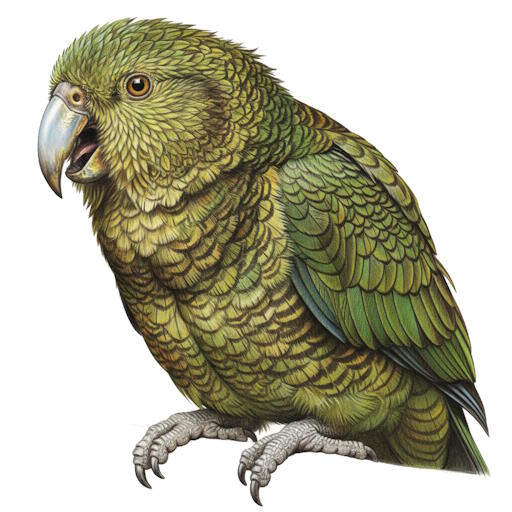
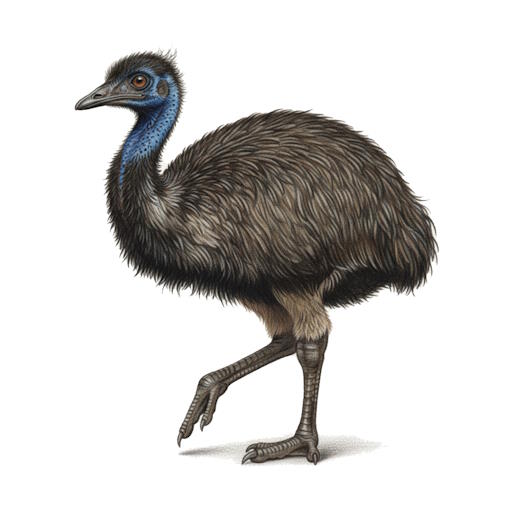
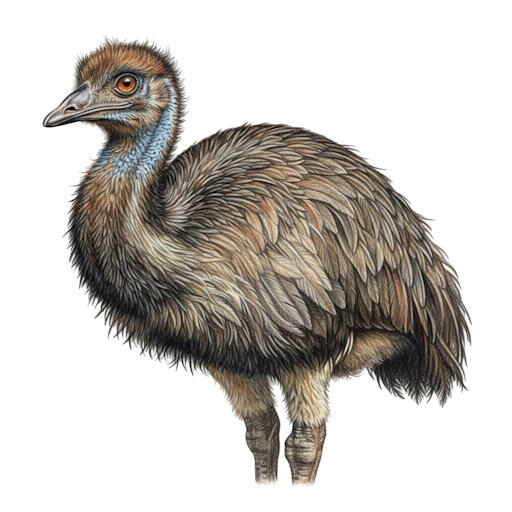
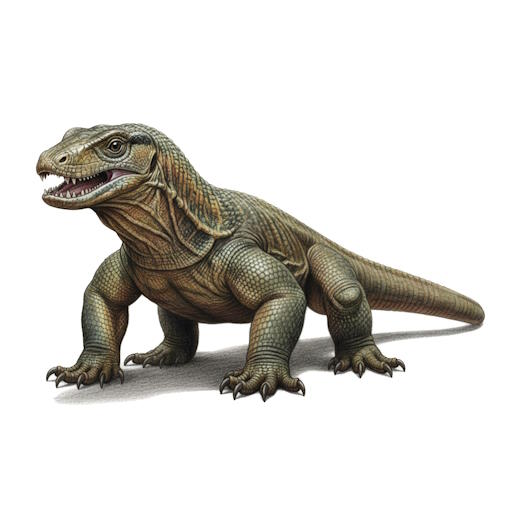
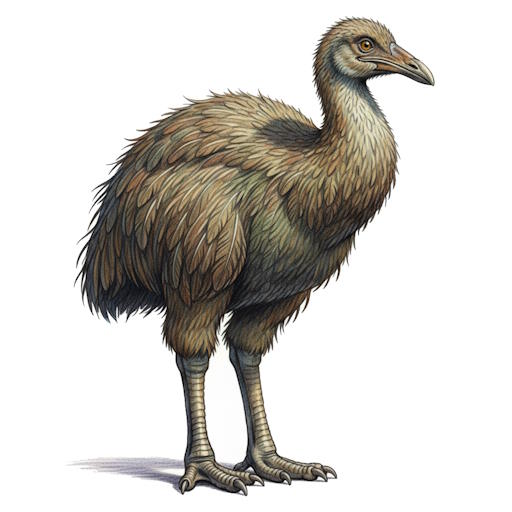
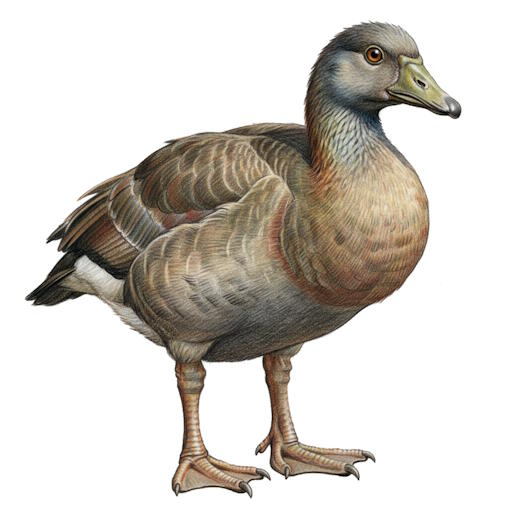
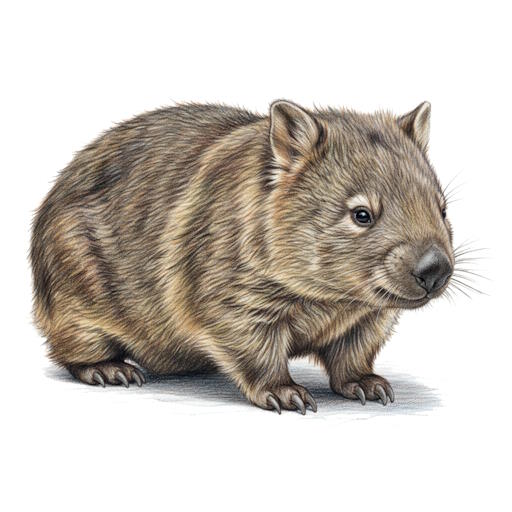
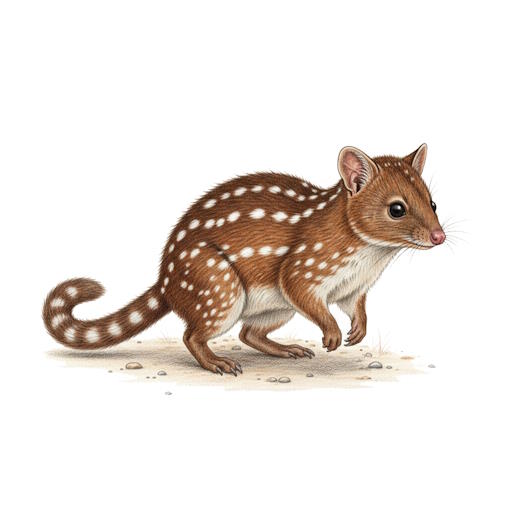
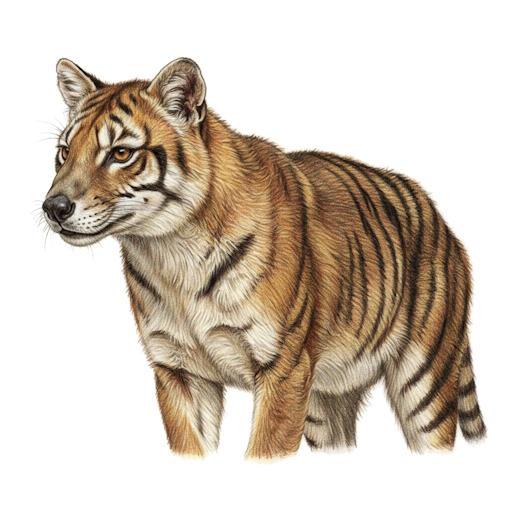
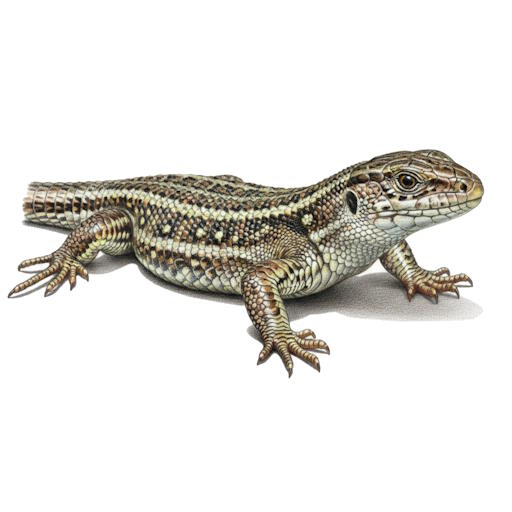
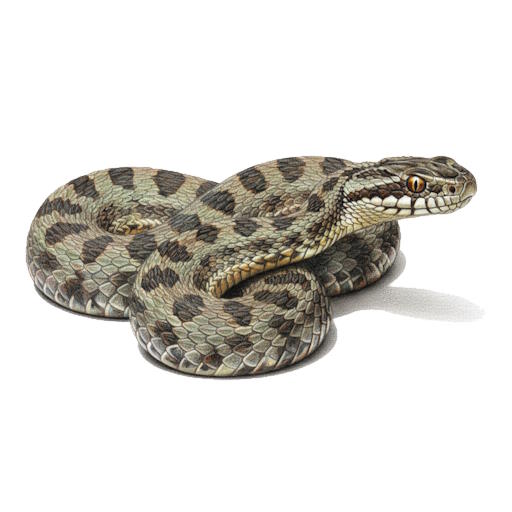
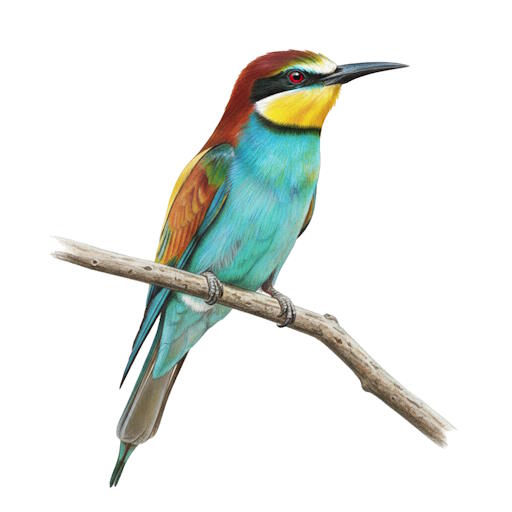
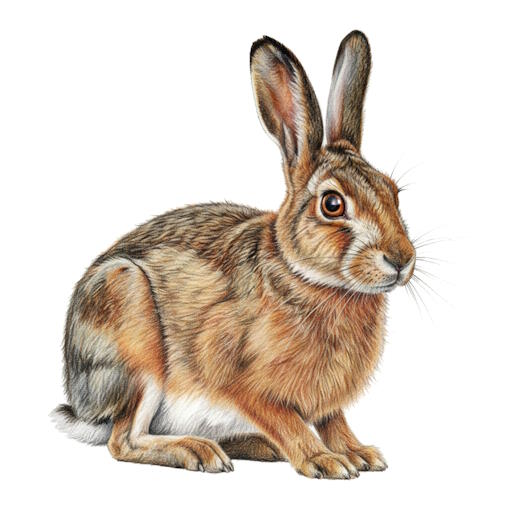
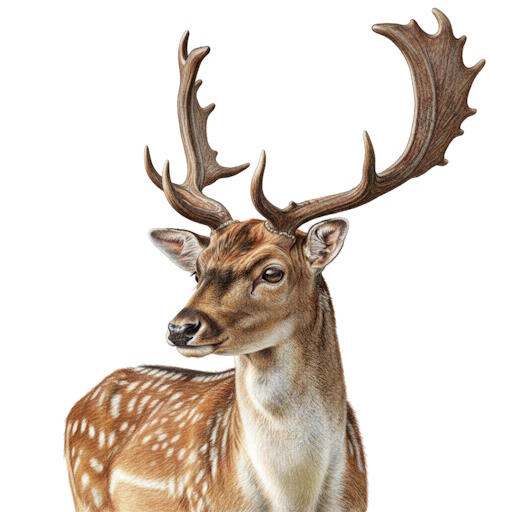
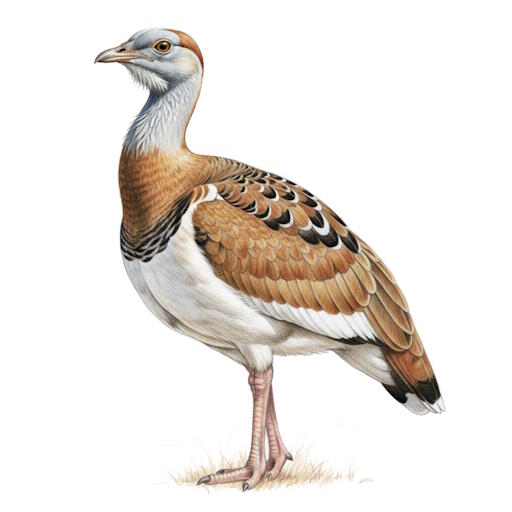
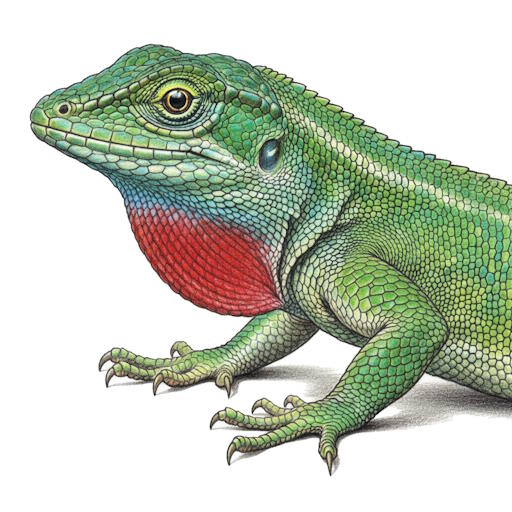
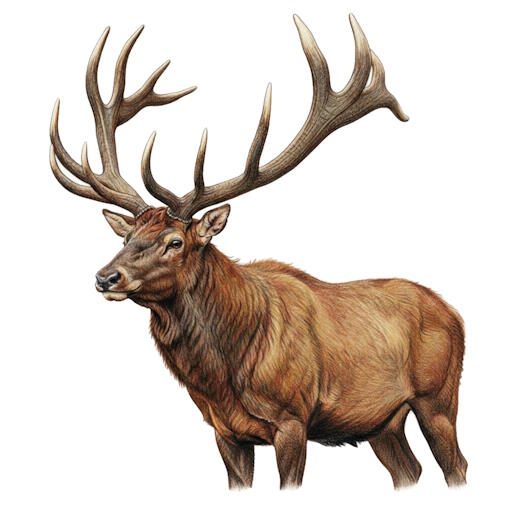
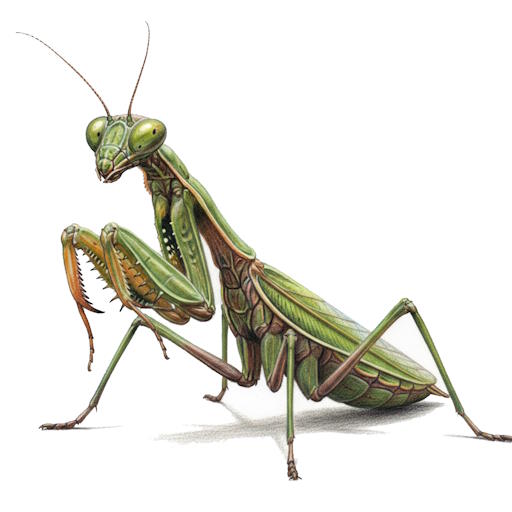
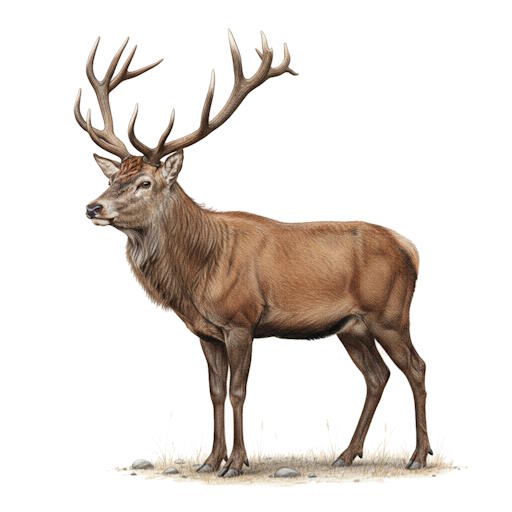
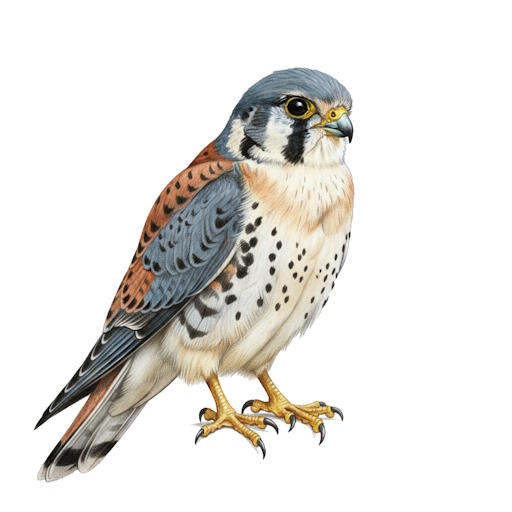
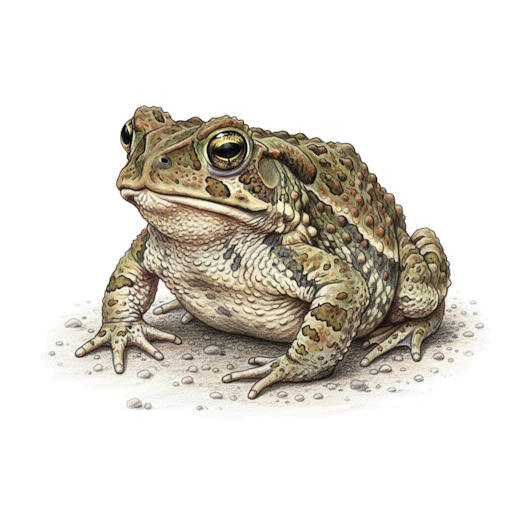
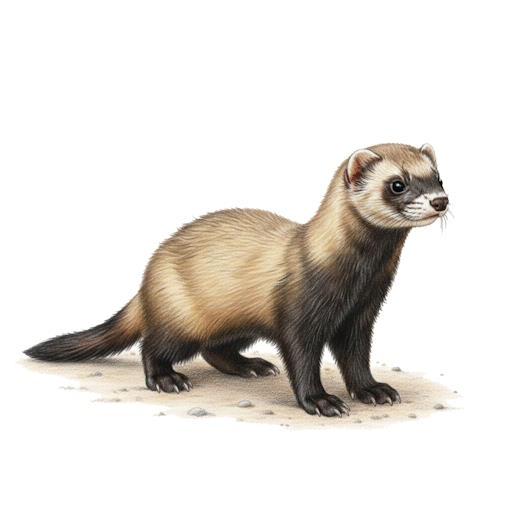
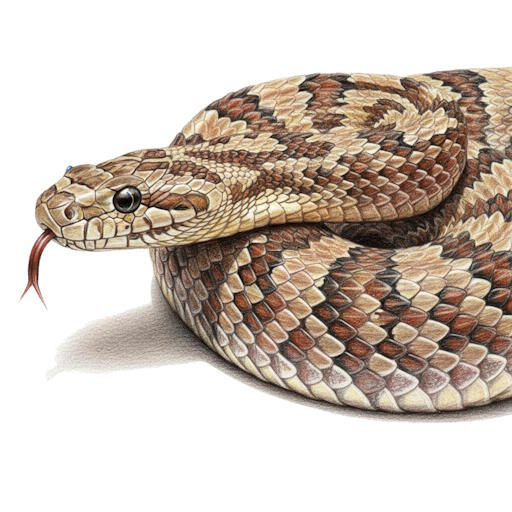
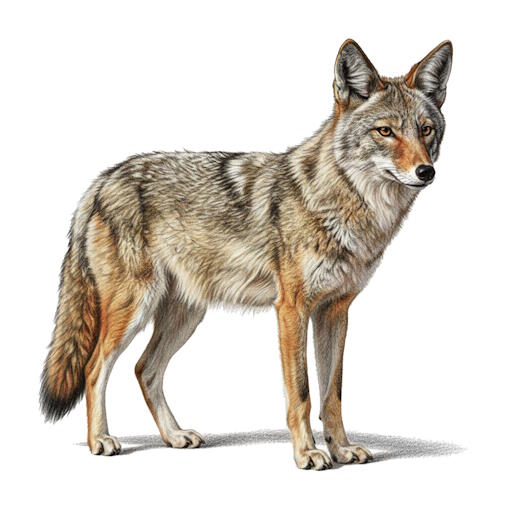
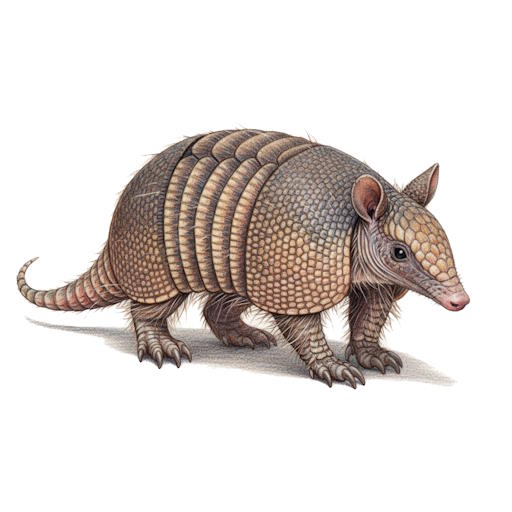
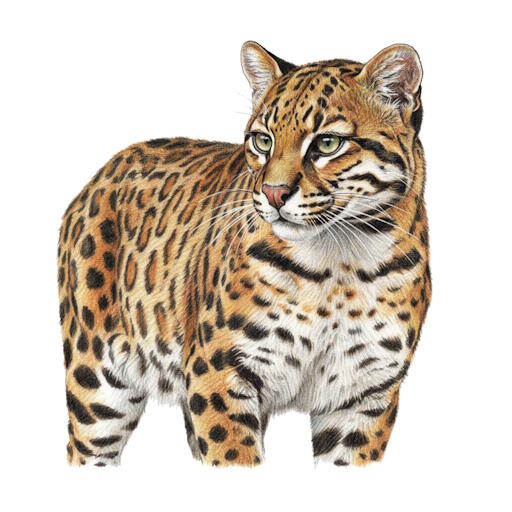
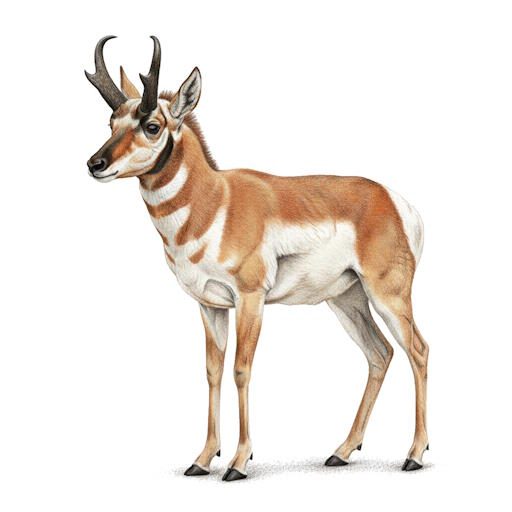
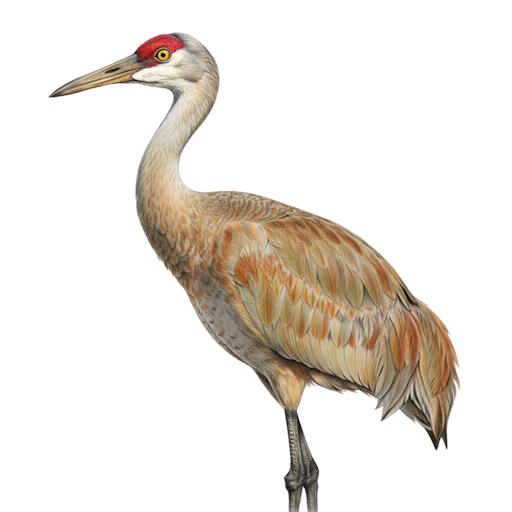
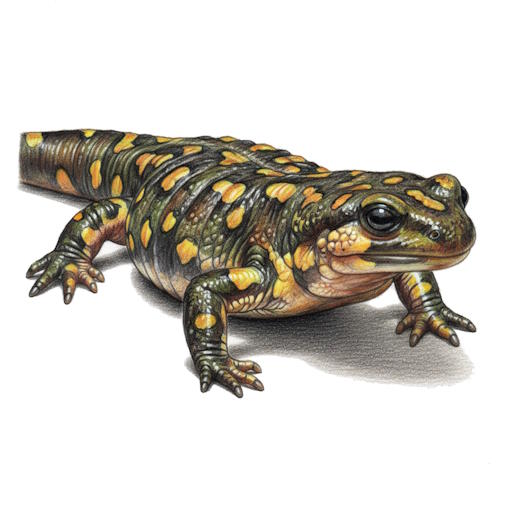
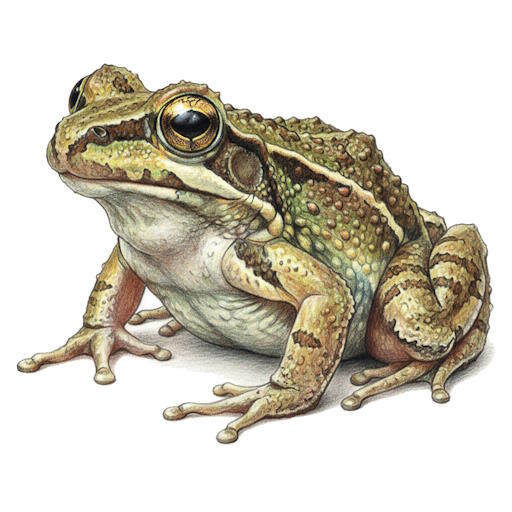
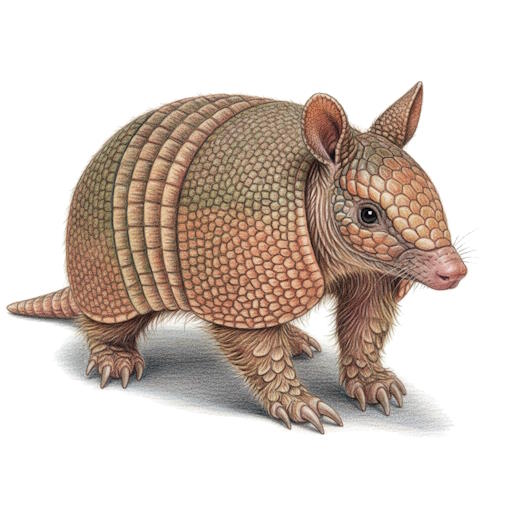
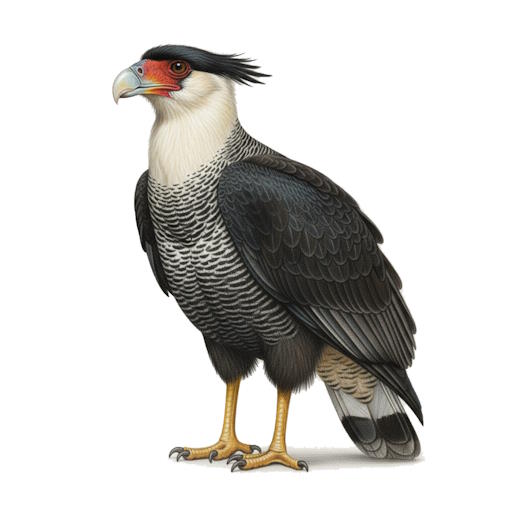
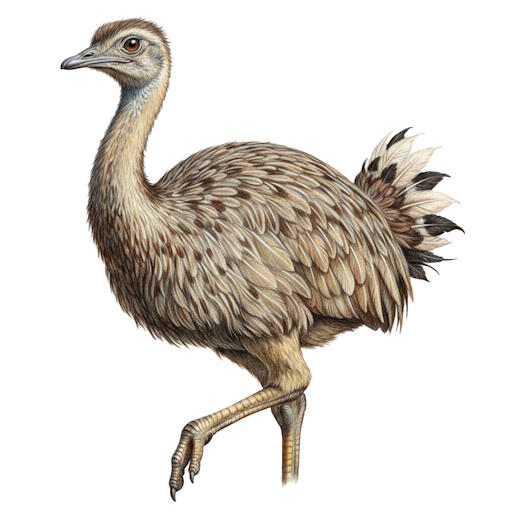
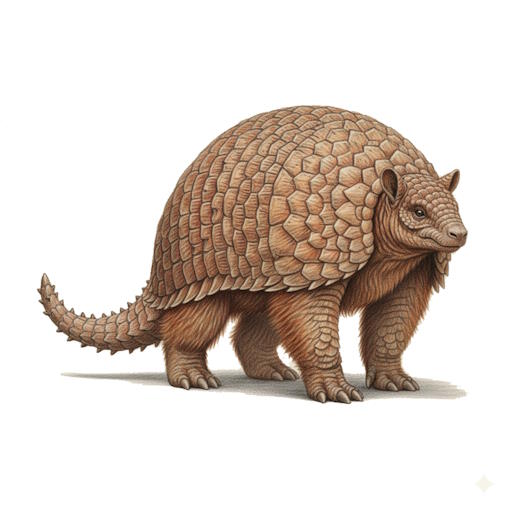
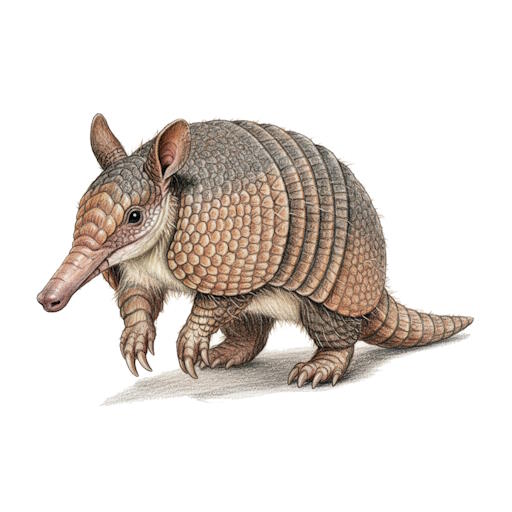
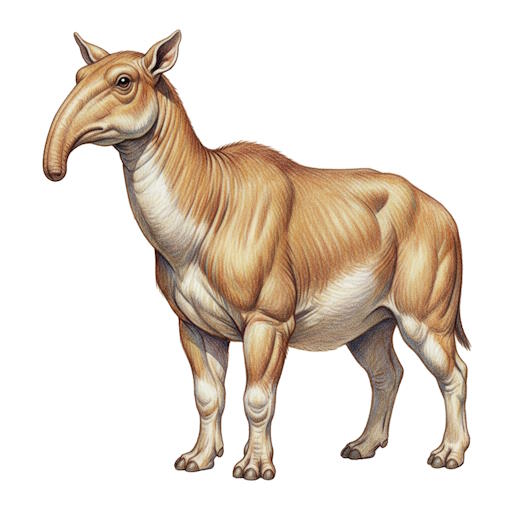
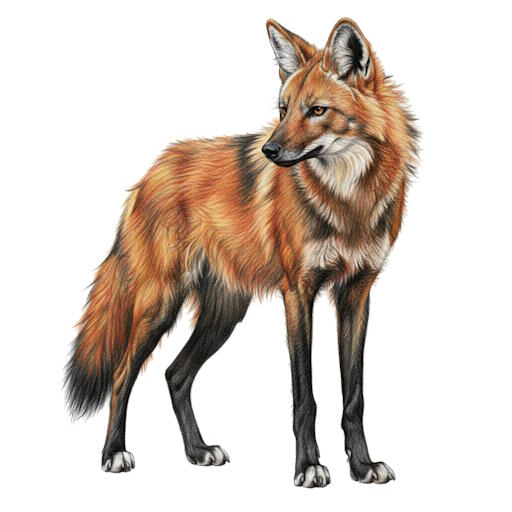
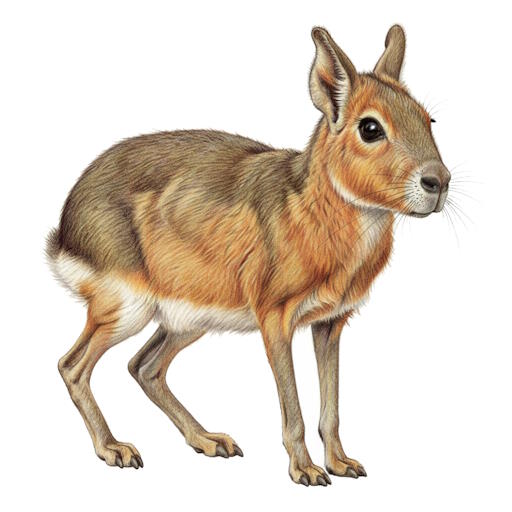
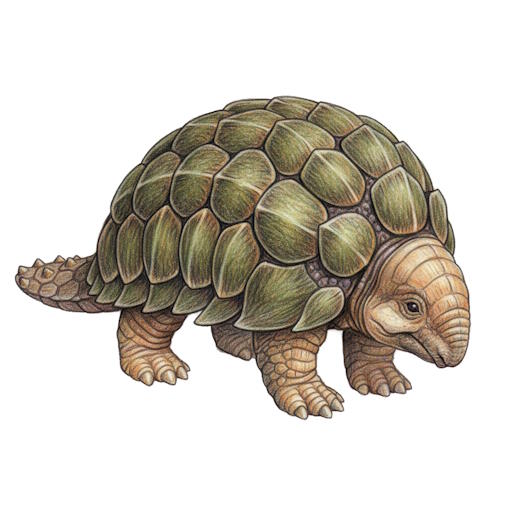
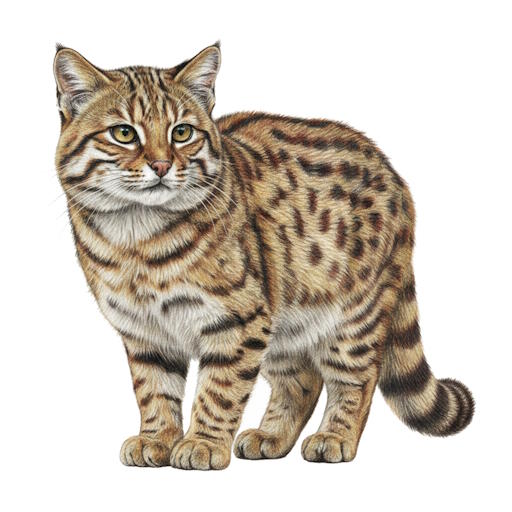
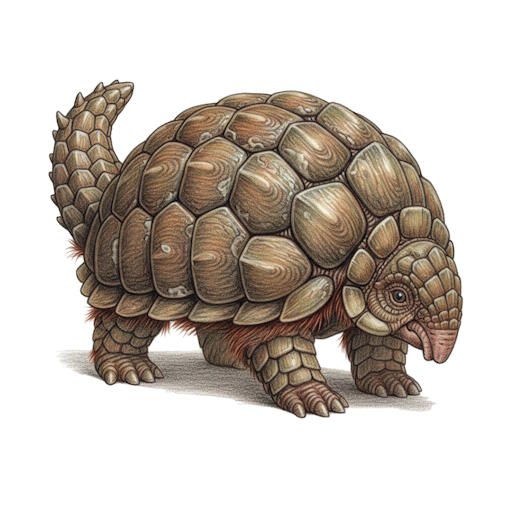
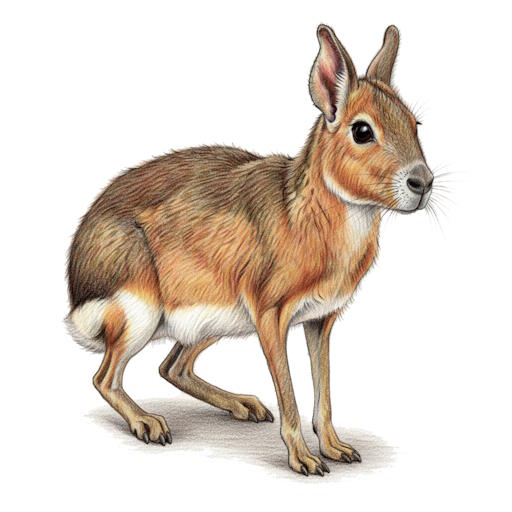
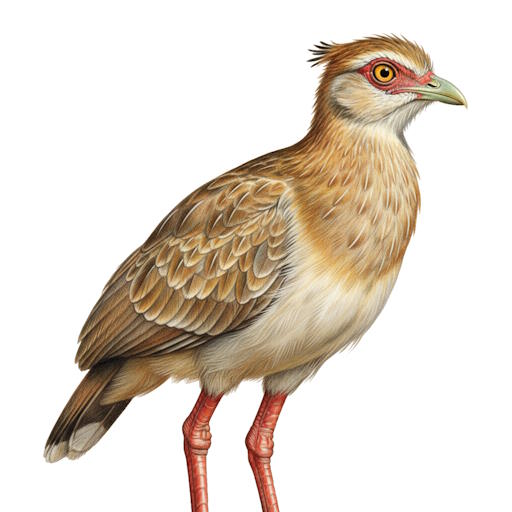
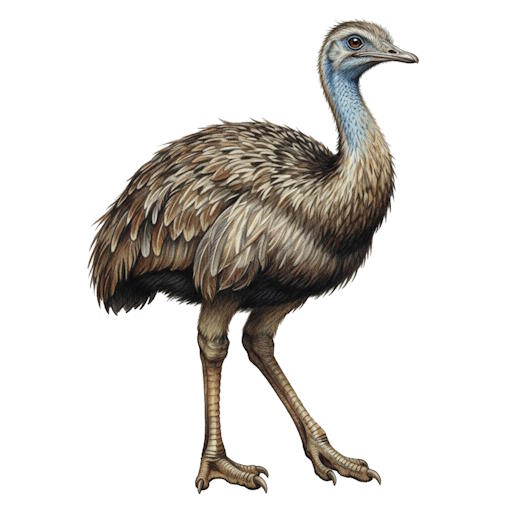
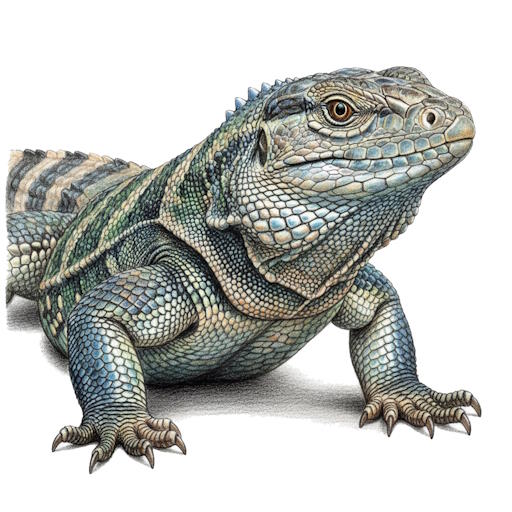
Animals which live in Grasslands Habitat
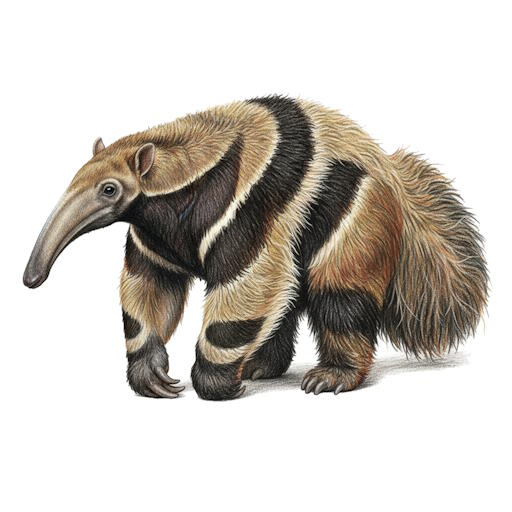
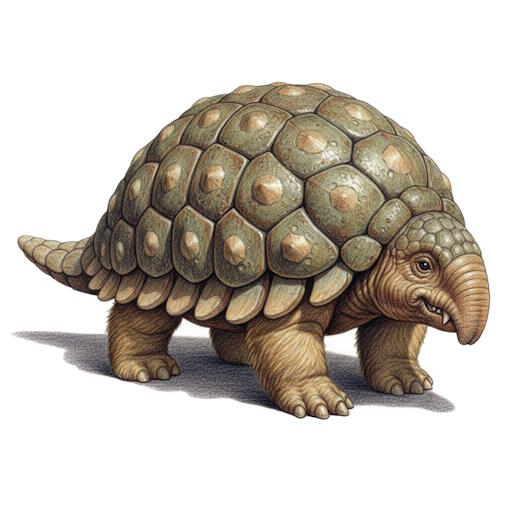
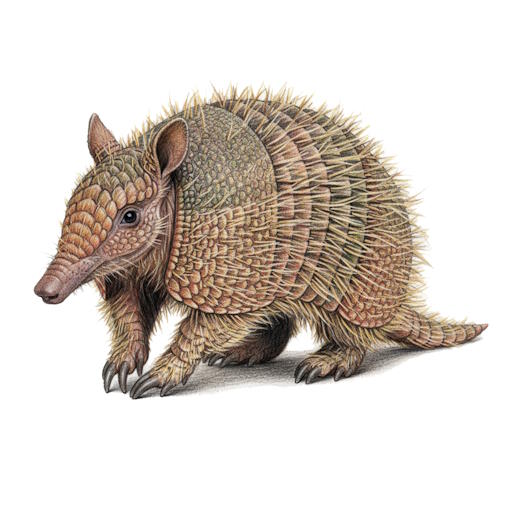
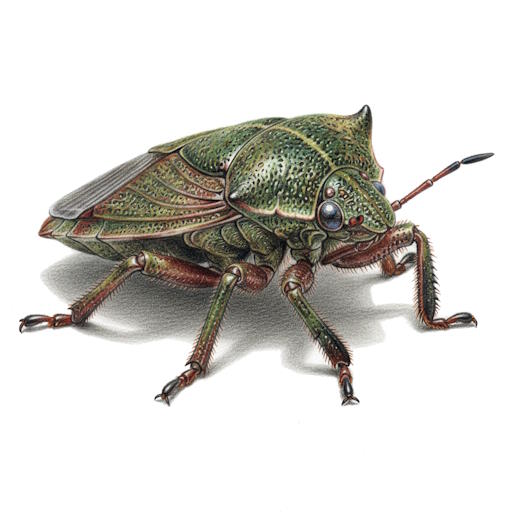
Click on an image to learn more about one of the animals.