Grasslands Near Water
Grasslands near water represent a vibrant and essential ecological niche, seamlessly blending the expansive, open character of terrestrial grasslands with the life-sustaining presence of aquatic environments. These unique habitats, often found bordering rivers, lakes, wetlands, or even coastal areas, are characterized by their rich biodiversity and the critical role they play in the wider ecosystem. The proximity to water influences everything from the soil composition and plant life to the types of animal species that thrive here. The fertile soils in these transitional zones benefit from both nutrient deposition from the water and the organic matter from decaying grasses.
The vegetation in grasslands near water is typically lush and diverse, featuring various grasses, sedges, and rushes that are adapted to fluctuating water levels and moist conditions. This dense herbaceous cover provides ample food and shelter for a wide array of wildlife. Herbivores, from small rodents to large grazing mammals, are drawn to the abundant forage. In turn, these areas become prime hunting grounds for predators, creating a dynamic food web. The water itself attracts numerous bird species, including waterfowl, waders, and raptors, which utilize the area for nesting, feeding, and resting during migration. Amphibians and reptiles also flourish in these moist environments, and the aquatic component supports diverse fish and invertebrate populations.
Ecologically, grasslands near water are vital for several reasons. They act as natural filters, improving water quality by trapping sediments and absorbing excess nutrients before they enter the main water body. This helps prevent issues like algal blooms and supports healthier aquatic ecosystems. They also play a crucial role in flood control, as the dense root systems of the grasses help stabilize soil and reduce erosion, while the flat terrain can temporarily hold excess water. Furthermore, these habitats serve as critical corridors for wildlife movement, allowing species to travel safely between different areas and maintaining genetic diversity within populations. Their importance extends to human well-being too, providing aesthetic beauty, recreational opportunities, and supporting local economies through ecotourism and sustainable resource management. Conserving and restoring grasslands near water is therefore paramount for maintaining ecological balance and supporting a healthy planet.
Other Habitats
There are lots of other habitats to explore. Check out all of our habitats for more info.
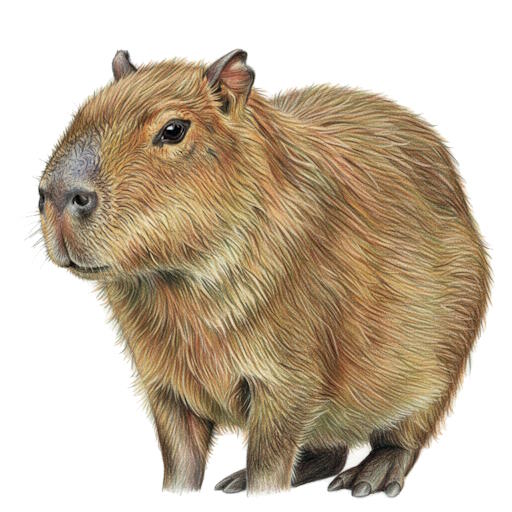
Animals which live in Grasslands Near Water Habitat
Click on an image to learn more about one of the animals.