Heaths
Heaths are unique and vital habitats characterized by their low-growing, woody vegetation, primarily consisting of heather, gorse, and other hardy shrubs. These landscapes often feature acidic, nutrient-poor soils, which contribute to the distinct plant communities found within them. Heaths are typically found in temperate regions across the globe, including parts of Europe, Africa, and Australia, often in coastal areas or upland environments.
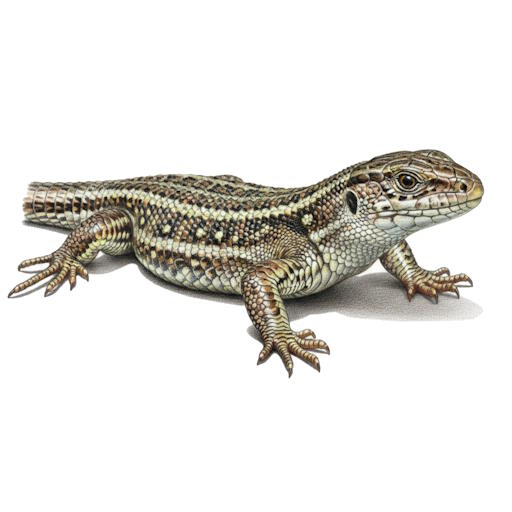
Ecologically, heaths are incredibly diverse, supporting a wide array of specialized flora and fauna. Many species have adapted to the challenging conditions of these habitats, such as the strong winds, poor soils, and occasional fires. Birds like the Dartford warbler and nightjar thrive in heathland environments, as do various insects, reptiles, and small mammals. The vibrant blooms of heather in late summer create a stunning purple carpet, attracting numerous pollinators.
Historically, many heaths were shaped by human activity, particularly through grazing and burning, which helped to maintain their open character and prevent succession to woodland. However, in modern times, heathlands face significant threats from habitat loss due to agricultural expansion, urban development, and a lack of traditional management practices. Invasive species and climate change also pose challenges to these fragile ecosystems.
Conservation efforts are crucial for protecting heaths and their unique biodiversity. This often involves carefully managed burning, grazing, and scrub clearance to prevent encroachment by larger trees and maintain the open heathland structure. By understanding and appreciating the ecological significance of heaths, we can work towards their preservation for future generations, ensuring these beautiful and biologically rich landscapes continue to thrive.
Other Habitats
There are lots of other habitats to explore. Check out all of our habitats for more info.
Animals which live in Heaths Habitat
Click on an image to learn more about one of the animals.