Hedgerows
Hedgerows are linear strips of shrubs, trees, and other plants that typically form boundaries between fields or properties. Far more than simple fences, these living barriers are incredibly rich and diverse habitats, playing a crucial role in agricultural landscapes and providing vital ecological services. Historically, hedgerows were established for various purposes, including livestock containment, windbreaks, and demarcation of land. Today, their ecological significance is increasingly recognized.
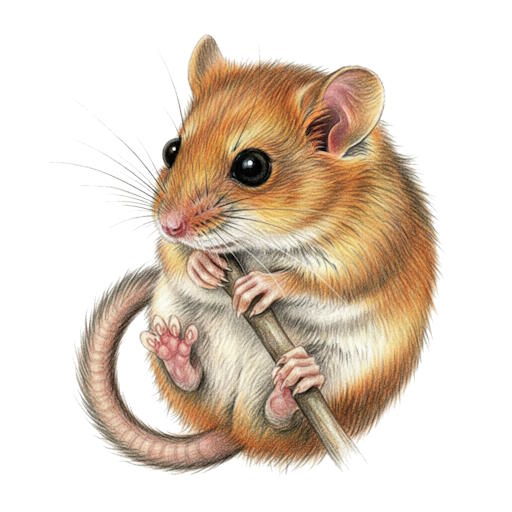
Ecologically, hedgerows act as crucial wildlife corridors, connecting fragmented habitats and allowing species to move safely across landscapes. They provide shelter, food, and breeding sites for a vast array of flora and fauna. Invertebrates thrive within the dense foliage and leaf litter, forming the base of a complex food web. Birds, from small songbirds to larger raptors, utilize hedgerows for nesting, foraging, and protection from predators. Mammals, such as badgers, foxes, and hedgehogs, also find refuge and sustenance within these linear woodlands. The diverse plant species within a hedgerow support a variety of pollinators, contributing to the health of surrounding crops and wild flowers.
Beyond their role as wildlife havens, hedgerows offer numerous environmental benefits. They help prevent soil erosion by reducing wind speed and stabilizing soil with their root systems. They can also improve water quality by filtering runoff from agricultural fields, trapping pollutants and excess nutrients before they reach watercourses. As carbon sinks, hedgerows sequester atmospheric carbon, contributing to climate change mitigation. Furthermore, they can enhance landscape aesthetics and provide valuable timber or fuelwood.
The composition of a hedgerow varies widely depending on geographical location, soil type, and historical management. Common species include hawthorn, blackthorn, elder, hazel, and various oak or ash saplings. The dense, interwoven branches provide excellent shelter, while the flowers and berries offer seasonal food sources. Traditional management practices, such as coppicing and laying, have shaped the structure and biodiversity of many hedgerows over centuries, creating resilient and species-rich ecosystems.
In an era of increasing biodiversity loss and climate concerns, the conservation and restoration of hedgerows are paramount. Protecting existing hedgerows and planting new ones can significantly contribute to ecological connectivity, enhance agricultural sustainability, and enrich the natural beauty of our rural environments. Their multifaceted benefits underscore their importance as a cornerstone of healthy and resilient landscapes.
Other Habitats
There are lots of other habitats to explore. Check out all of our habitats for more info.
Animals which live in Hedgerows Habitat
Click on an image to learn more about one of the animals.