High-altitude Andean Grasslands
The High-altitude Andean Grasslands, often referred to as the Puna or Altiplano, represent a unique and vital ecosystem found across the elevated plateaus and mountain slopes of the Andes, primarily in countries like Peru, Bolivia, Ecuador, Argentina, and Chile. These remarkable habitats are characterized by their extreme conditions: high altitudes ranging from approximately 3,000 to over 4,500 meters (10,000 to 15,000 feet) above sea level, intense solar radiation, significant diurnal temperature fluctuations, and often scarce rainfall.
Dominant vegetation in these grasslands includes hardy tussock grasses, cushion plants, and various herbaceous species adapted to the harsh climate. These plants are crucial for preventing soil erosion and providing sustenance for the diverse array of wildlife. The unique flora has evolved to withstand low atmospheric pressure, strong winds, and freezing temperatures, often exhibiting adaptations such as compact growth forms and thick, waxy leaves.
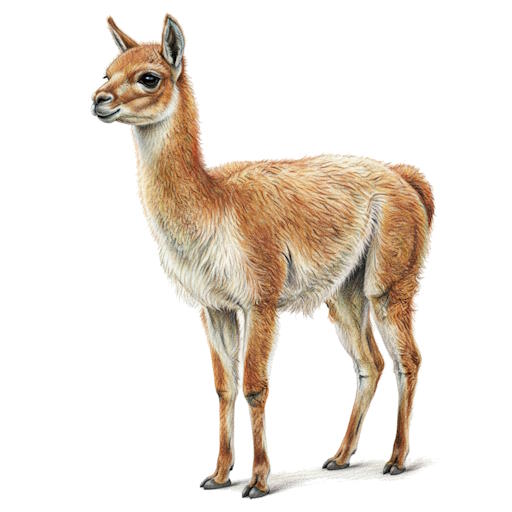
Despite the challenging environment, the High-altitude Andean Grasslands support a fascinating and specialized fauna. Iconic mammals like the vicuña and guanaco, wild relatives of the llama and alpaca, graze on the tough grasses. Other notable inhabitants include the Andean deer, various species of high-altitude rodents, and the elusive Andean mountain cat. Birdlife is also rich, with species such as the Andean condor soaring majestically overhead, various high-altitude geese, and numerous endemic hummingbird species.
The geological history of the Andes, with its volcanic activity and tectonic uplift, has significantly shaped these grasslands, creating varied landscapes of rolling hills, flat plains, and interspersed wetlands or bofedales. These wetlands are particularly important as they provide crucial water sources and richer foraging grounds, acting as biodiversity hotspots within the otherwise arid landscape.
However, these fragile ecosystems face numerous threats. Climate change is altering precipitation patterns and glacier melt, impacting water availability. Overgrazing by domesticated livestock, unsustainable mining practices, and increasing human encroachment are also putting pressure on the delicate balance of the High-altitude Andean Grasslands. Conservation efforts are crucial to protect this extraordinary habitat and its unique biodiversity, ensuring the survival of the species that call these high plains home.
Other Habitats
There are lots of other habitats to explore. Check out all of our habitats for more info.
Animals which live in High-altitude Andean Grasslands Habitat
Click on an image to learn more about one of the animals.