High-altitude grasslands
High-altitude grasslands are unique and fragile ecosystems found in mountainous regions worldwide, typically above the tree line where climatic conditions are too harsh for forest growth. These elevated landscapes, often referred to as alpine meadows or montane grasslands, are characterized by their open expanses dominated by grasses, sedges, and wildflowers, interspersed with rocky outcrops and occasional dwarfed shrubs. The extreme environment, marked by thin air, intense solar radiation, strong winds, and significant temperature fluctuations between day and night, shapes the flora and fauna that call these habitats home.
Life in high-altitude grasslands has adapted remarkably to these challenging conditions. Plants often exhibit features like cushion growth forms, small leaves, and deep root systems to withstand harsh winds and conserve moisture. Many species are perennial, allowing them to survive long, cold winters and quickly capitalize on short growing seasons. The vibrant blooms of alpine wildflowers, appearing in a brief window during the warmer months, create stunning displays of color against the often-rugged backdrop.
The animal inhabitants of high-altitude grasslands are equally specialized. Mammals such as marmots, pikas, and mountain goats possess physiological adaptations and behaviors that enable them to thrive in the cold and sparse conditions. Birds, including various raptors and ground-nesting species, are also common residents. These ecosystems play a crucial role in water regulation, acting as natural sponges that absorb and slowly release meltwater, contributing to downstream freshwater supplies.
However, high-altitude grasslands are increasingly vulnerable to the impacts of climate change, which can lead to shifts in vegetation zones, increased frequency of extreme weather events, and altered hydrological cycles. Human activities, such as overgrazing, unsustainable tourism, and infrastructure development, also pose significant threats. Conservation efforts are vital to protect these extraordinary habitats and their specialized biodiversity, ensuring their continued ecological function and aesthetic beauty for future generations. Understanding and preserving high-altitude grasslands is essential for maintaining global biodiversity and the health of our planet's mountainous regions.
Other Habitats
There are lots of other habitats to explore. Check out all of our habitats for more info.
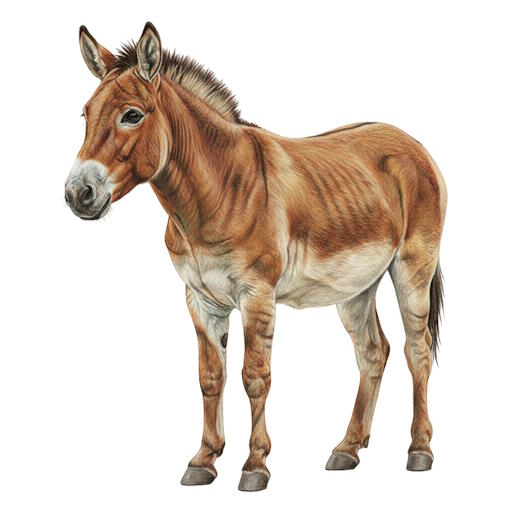
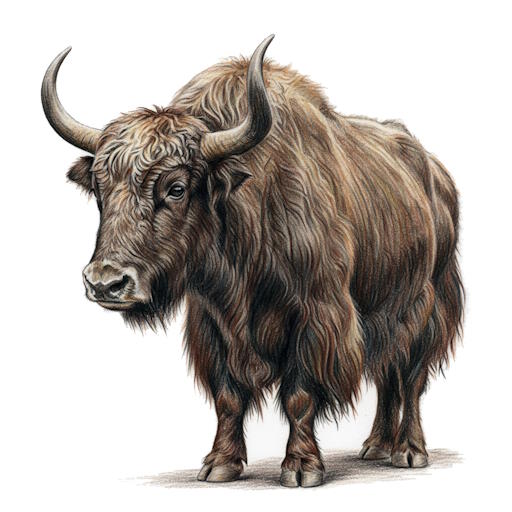
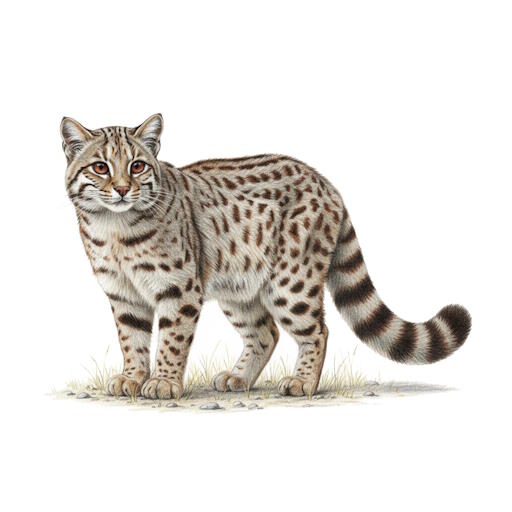
Animals which live in High-altitude grasslands Habitat
Click on an image to learn more about one of the animals.