High-altitude Mountains
High-altitude mountains, often referred to as alpine environments, represent some of Earth's most breathtaking yet challenging habitats. Soaring thousands of meters above sea level, these majestic landscapes are characterized by extreme conditions, including frigid temperatures, intense solar radiation, strong winds, and thin atmospheric pressure. Despite these formidable obstacles, high-altitude mountains host a surprising diversity of life, showcasing remarkable adaptations that allow flora and fauna to thrive in such a harsh environment.
The unique climate of high-altitude mountains is a primary driver of their ecological distinctiveness. Temperatures fluctuate dramatically between day and night, and seasonal changes are equally pronounced. The air is notably thinner, meaning less oxygen is available, posing a significant physiological challenge for both plants and animals. Strong, persistent winds can desiccate vegetation and batter exposed surfaces, while intense ultraviolet (UV) radiation, due to the reduced atmospheric filtering, necessitates specialized protective mechanisms in organisms.
Vegetation in high-altitude mountains typically exhibits a range of adaptations. Plants often grow in low, compact forms, such as cushion plants and prostrate shrubs, to minimize exposure to wind and cold. Many have small, waxy leaves or a dense covering of hairs to reduce water loss and protect against UV radiation. Deep root systems help anchor them against winds and access scarce water. Examples include alpine grasses, sedges, mosses, lichens, and hardy flowering plants like edelweiss and saxifrages. As altitude increases, vegetation gradually gives way to barren rock, scree, and permanent snow or ice.
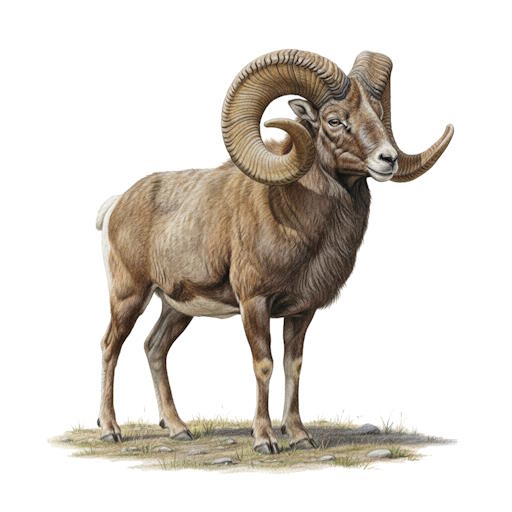
Animal life in high-altitude mountains is equally specialized. Mammals like mountain goats, bighorn sheep, and yaks possess robust builds, dense coats, and often larger lungs to cope with the cold and low oxygen. Birds such as eagles, condors, and various species of finches and choughs are adapted for flight in thin air and often have broad wings to utilize updrafts. Insects and other invertebrates may have unique antifreeze proteins or go into a dormant state to survive the winter. Many high-altitude animals exhibit behavioral adaptations, such as seeking shelter in rock crevices or migrating to lower elevations during harsh periods.
High-altitude mountains play a crucial role in global ecosystems. They act as "water towers," storing vast amounts of snow and ice that slowly melt to feed rivers and supply water to millions of people downstream. They are also centers of biodiversity, with many endemic species found nowhere else on Earth. However, these fragile ecosystems are increasingly vulnerable to climate change, with rising temperatures leading to glacier retreat, changes in precipitation patterns, and shifts in species distribution, threatening the delicate balance of life in these extreme yet captivating environments.
Other Habitats
There are lots of other habitats to explore. Check out all of our habitats for more info.
Animals which live in High-altitude Mountains Habitat
Click on an image to learn more about one of the animals.