High-altitude Wetlands
High-altitude wetlands are unique and vital ecosystems found in mountainous regions worldwide, typically at elevations above 2,500 meters (approximately 8,200 feet). These delicate environments, often characterized by their cold temperatures, thin atmospheres, and harsh conditions, are crucial for biodiversity and water regulation. They encompass a variety of wetland types, including alpine bogs, fens, marshes, and wet meadows, all adapted to the specific challenges of their elevated locations.
The hydrology of high-altitude wetlands is primarily driven by snowmelt and glacial runoff, providing a consistent source of cold, clear water. This creates saturated or semi-saturated soil conditions that support a specialized flora. Plants found in these areas often exhibit adaptations to cold, strong UV radiation, and nutrient-poor soils, such as low growth forms, thick cuticles, and efficient nutrient cycling mechanisms. Common plant species might include sedges, rushes, mosses, and various alpine wildflowers.
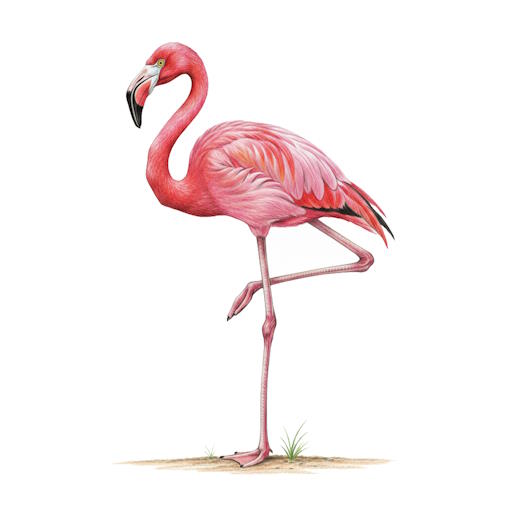
These wetlands serve as critical habitats for a range of endemic and specialized wildlife. Many species of birds, including migratory waterfowl, use these areas for breeding and feeding. Mammals like marmots, pikas, and certain deer species may also inhabit the surrounding areas and rely on the wetlands for water and forage. Unique insect and amphibian species are also often present, adapted to the specific conditions of these high-altitude aquatic environments.
Beyond their ecological significance, high-altitude wetlands play a crucial role in regional water cycles. They act as natural sponges, absorbing snowmelt and rainfall, and then slowly releasing water into downstream river systems. This regulatory function is vital for maintaining water quality and quantity for communities and ecosystems at lower elevations, especially during dry seasons. They also contribute to climate regulation by sequestering carbon in their peat soils.
However, these fragile ecosystems are highly vulnerable to climate change, which can lead to altered precipitation patterns, accelerated glacier melt, and increased temperatures. These changes threaten the delicate balance of water availability and temperature that high-altitude wetland species depend on. Human activities such as overgrazing, infrastructure development, and pollution can also pose significant threats. Conservation efforts are therefore paramount to protect these invaluable high-altitude wetlands and the critical ecological services they provide.
Other Habitats
There are lots of other habitats to explore. Check out all of our habitats for more info.
Animals which live in High-altitude Wetlands Habitat
Click on an image to learn more about one of the animals.