Ice sheets
Ice sheets are vast expanses of glacial ice, covering more than 50,000 square kilometers (about 19,300 square miles) of land. These colossal frozen landscapes are found primarily in Earth's polar regions, namely Greenland and Antarctica. They are distinct from glaciers, which are smaller ice formations that typically flow within mountain valleys, and ice caps, which are smaller than ice sheets and cover less than 50,000 square kilometers. Ice sheets are the largest single masses of ice on Earth, holding approximately 99% of the planet's freshwater.
The formation of ice sheets is a prolonged process, taking thousands of years. It begins with layers of snowfall accumulating over centuries. As new snow falls, it compresses the older layers beneath, gradually transforming them into dense glacial ice. The immense weight of the accumulating ice causes it to flow outward under its own gravity, shaping the landscape beneath and around it. This slow, continuous movement can create massive ice streams and outlet glaciers, which are critical for discharging ice from the interior of the ice sheet to the ocean.
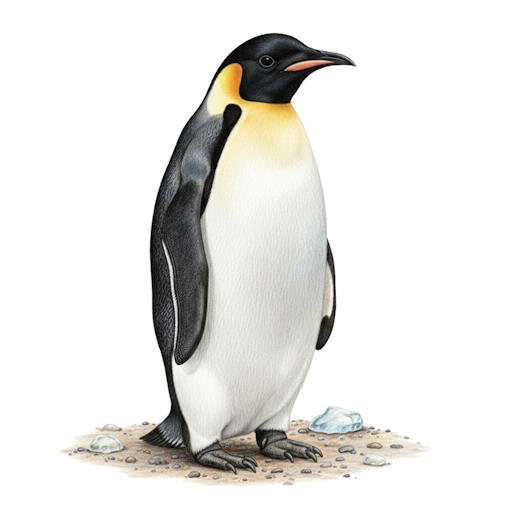
Life in ice sheet habitats is inherently challenging due to the extreme cold, lack of liquid water, and scarcity of exposed land. However, these environments are far from lifeless. Microscopic organisms, such as specialized bacteria and algae, can thrive within the ice itself or in meltwater pockets. The fringes of ice sheets, where they meet the ocean, are particularly important ecosystems. Here, the interaction of ice, ocean, and atmosphere creates unique conditions that support a variety of marine life. For instance, the edges of Antarctic ice sheets are crucial breeding and feeding grounds for krill, a foundational species in the Southern Ocean food web, which in turn supports penguins, seals, whales, and various seabirds.
Ice sheets play a pivotal role in global climate regulation. Their bright, white surfaces reflect a significant amount of solar radiation back into space, a phenomenon known as the albedo effect, which helps to cool the planet. Furthermore, the freshwater locked within ice sheets represents a massive reservoir that, if melted, would significantly contribute to global sea-level rise, impacting coastal communities worldwide. Scientists closely monitor ice sheet dynamics, including their mass balance (the difference between ice accumulation and ice loss), to understand climate change impacts and predict future sea-level scenarios.
Despite their remote and seemingly barren nature, ice sheets are dynamic and incredibly important components of Earth's interconnected systems. They serve as archives of past climate, with ice cores revealing ancient atmospheric compositions and temperature records. Understanding and protecting these fragile giants is crucial for the health of the planet and its diverse ecosystems.
Other Habitats
There are lots of other habitats to explore. Check out all of our habitats for more info.
Animals which live in Ice sheets Habitat
Click on an image to learn more about one of the animals.