Islands
Islands, isolated landmasses surrounded by water, are among the most fascinating and ecologically diverse habitats on Earth. These natural laboratories of evolution showcase an incredible array of unique flora and fauna, many of which are endemic, meaning they are found nowhere else in the world. The isolation that defines islands often leads to distinct evolutionary pathways, resulting in species with specialized adaptations to their limited resources and unique environmental pressures.
From volcanic peaks rising dramatically from the ocean depths to low-lying coral atolls barely breaching the surface, islands exhibit a remarkable variety of geological formations and climates. This diversity supports a wide range of ecological niches, from dense rainforests clinging to mist-shrouded mountainsides to arid scrublands baked by the relentless sun. The surrounding marine environments are equally rich, with coral reefs, seagrass beds, and deep-sea trenches contributing to the overall biodiversity of island ecosystems.
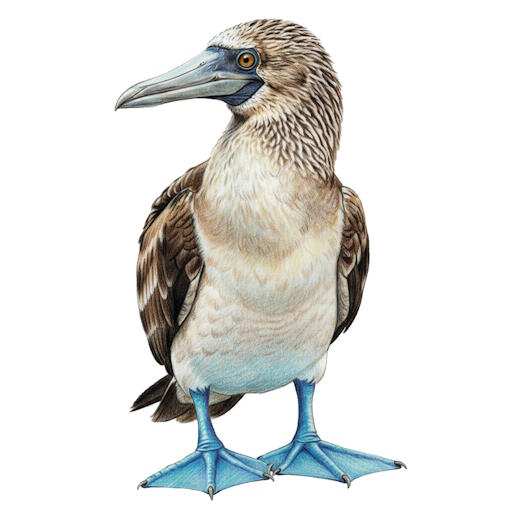
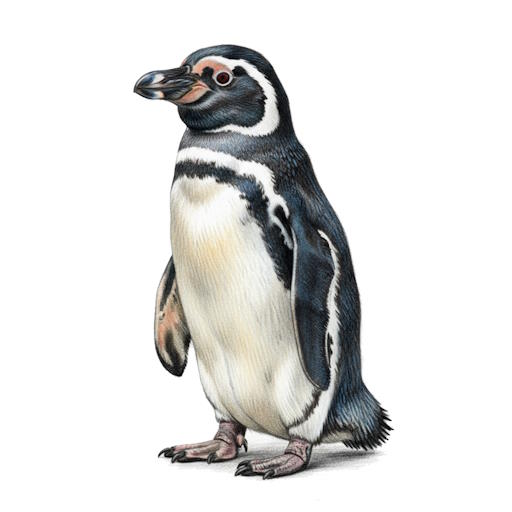
The flora of islands often includes pioneer species capable of long-distance dispersal, as well as those that have evolved in situ, leading to unique plant communities. Similarly, island faunas are characterized by a high degree of endemism, particularly among reptiles, amphibians, birds, and invertebrates. Iconic examples include the Galapagos tortoises, New Zealand's flightless birds, and Madagascar's lemurs.
However, the very isolation that fosters such unique biodiversity also makes island ecosystems incredibly vulnerable. They are often delicate and susceptible to external threats, including climate change, rising sea levels, habitat destruction, and the introduction of invasive species. These threats can have devastating impacts on native populations, leading to rapid declines and extinctions. Conservation efforts on islands are therefore crucial, focusing on protecting remaining natural habitats, controlling invasive species, and promoting sustainable practices to ensure the long-term survival of these extraordinary natural treasures.
Understanding and preserving island habitats is not just about protecting individual species; it's about safeguarding invaluable evolutionary heritage and the intricate ecological processes that have unfolded over millennia in these extraordinary, isolated worlds.
Other Habitats
There are lots of other habitats to explore. Check out all of our habitats for more info.
Animals which live in Islands Habitat
Click on an image to learn more about one of the animals.