Lakes
Lakes are significant freshwater ecosystems, playing a crucial role in global biodiversity and hydrological cycles. These inland bodies of standing water vary immensely in size, depth, and chemical composition, ranging from small, shallow ponds to vast, deep freshwater seas. Their formation can be attributed to various geological processes, including glacial activity carving out depressions, volcanic eruptions creating calderas, tectonic plate movements forming rift valleys, and even human intervention through dam construction.
The ecological diversity within lakes is profound. They support a wide array of life, from microscopic plankton that form the base of the food web to a diverse range of aquatic plants, invertebrates, fish, birds, and mammals. Different zones within a lake, such as the littoral (nearshore), limnetic (open water), and benthic (bottom) zones, each host unique communities adapted to their specific conditions. The health of a lake ecosystem is often tied to factors like water temperature, dissolved oxygen levels, nutrient availability, and sediment composition.
Lakes are vital for numerous reasons beyond their ecological importance. They serve as critical sources of drinking water, provide irrigation for agriculture, and are essential for transportation and recreation. Many human civilizations have flourished around lakes, benefiting from their resources and stable environments. However, lakes are also highly susceptible to environmental pressures. Pollution from agricultural runoff, industrial discharge, and urban development can lead to eutrophication, algal blooms, and oxygen depletion, severely impacting aquatic life and water quality. Climate change also poses a significant threat, altering water temperatures, evaporation rates, and ice cover, which can have cascading effects on lake ecosystems.
Conservation efforts for lakes are therefore paramount. Protecting these freshwater giants involves managing pollution sources, restoring degraded habitats, regulating water usage, and implementing sustainable land practices in their watersheds. By understanding the intricate dynamics of lake ecosystems and actively working towards their preservation, we can ensure these invaluable natural resources continue to thrive for future generations.
Other Habitats
There are lots of other habitats to explore. Check out all of our habitats for more info.
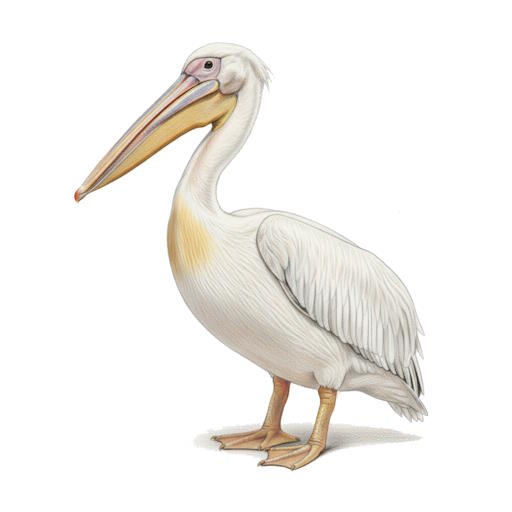
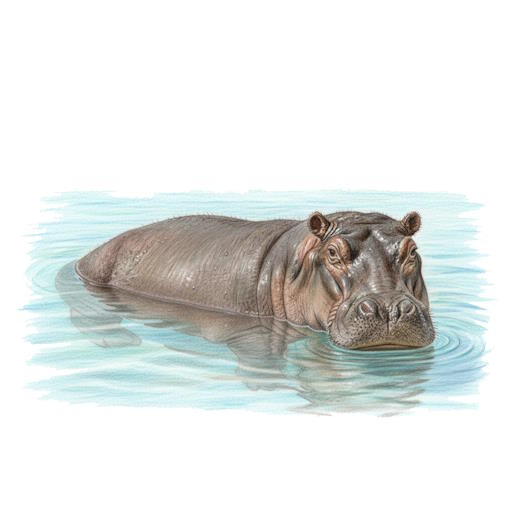
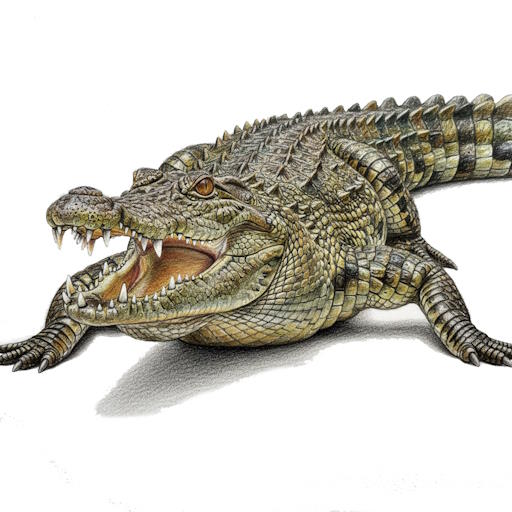
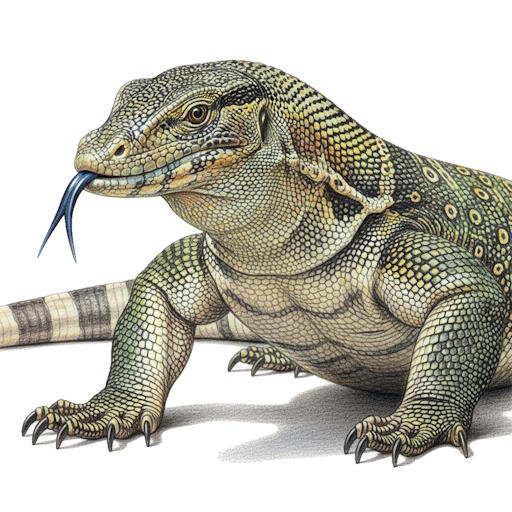
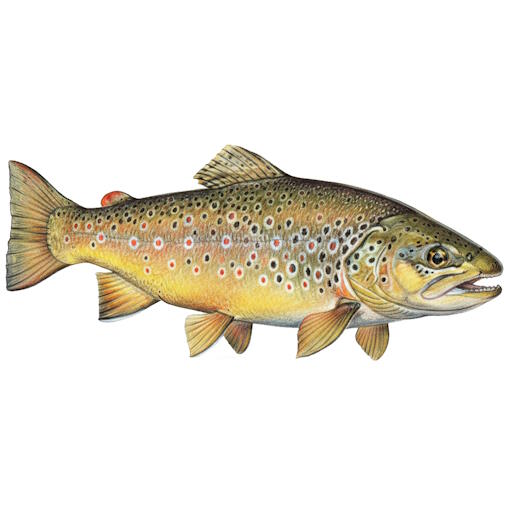
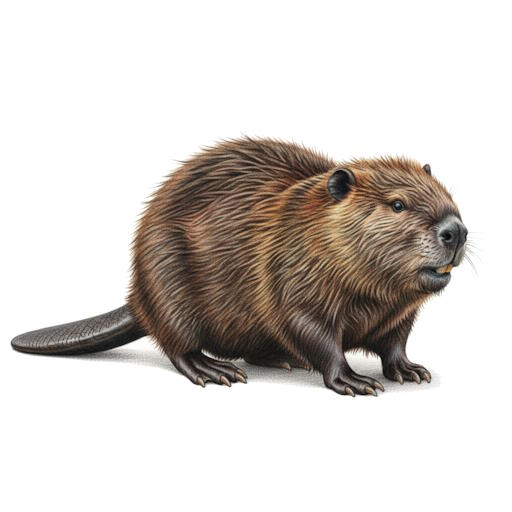
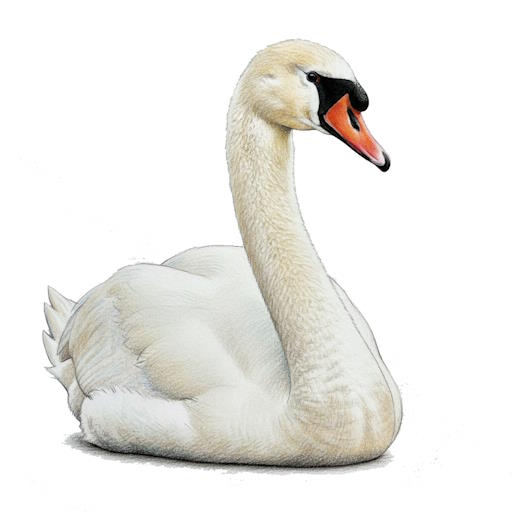
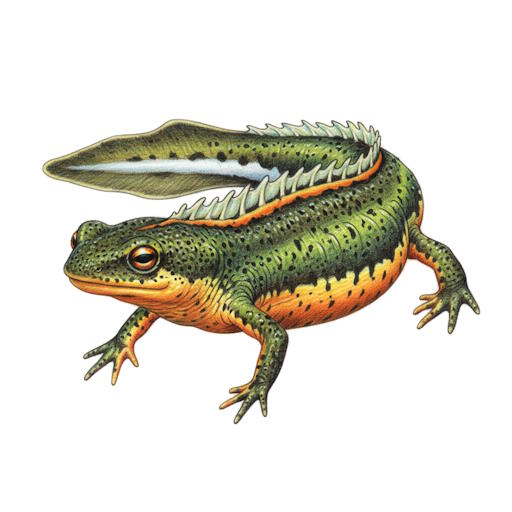
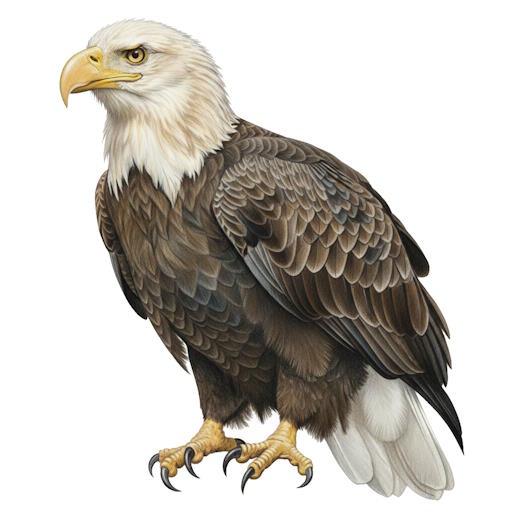
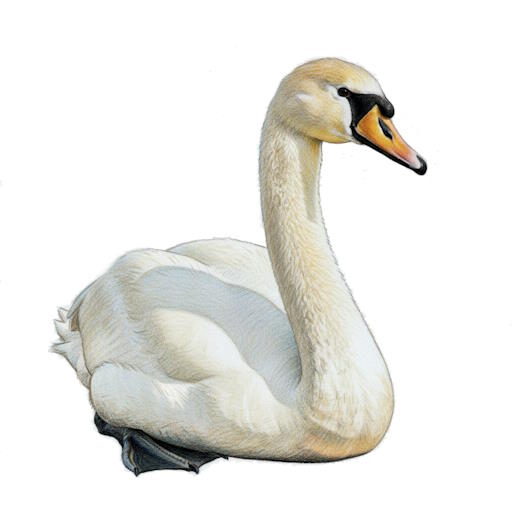
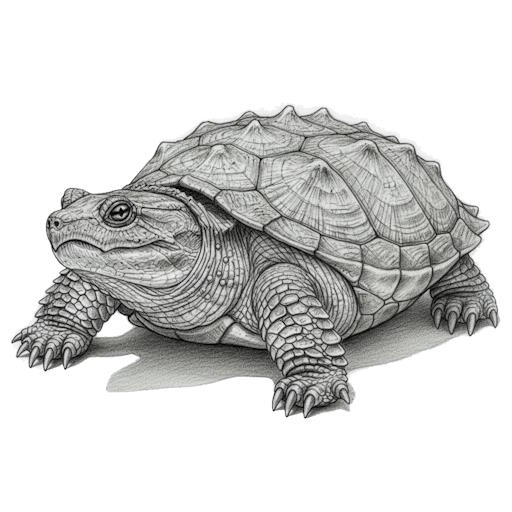
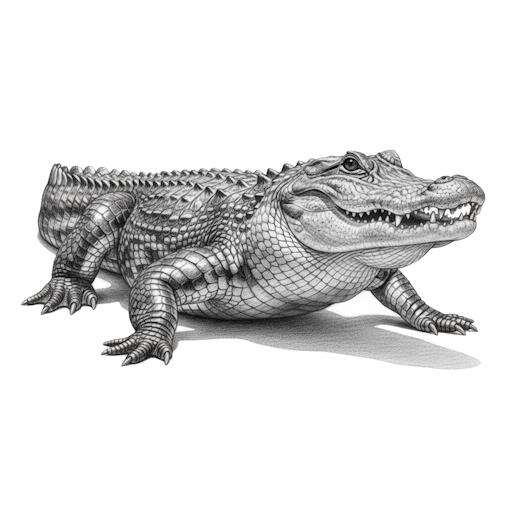
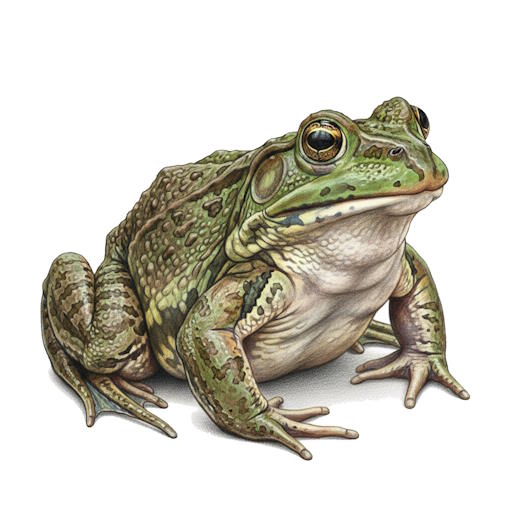
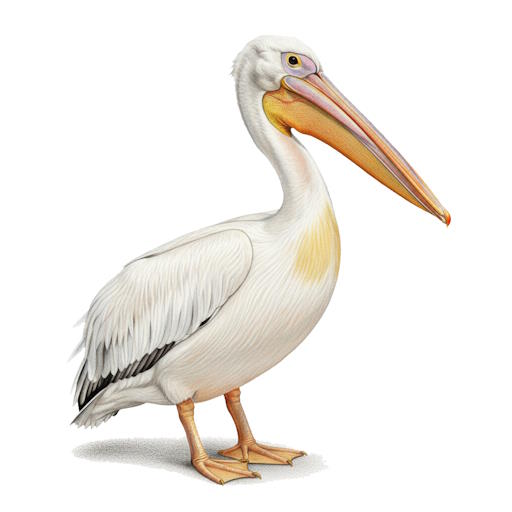
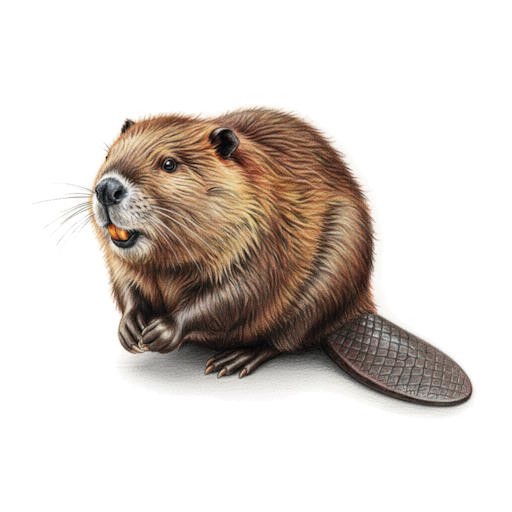
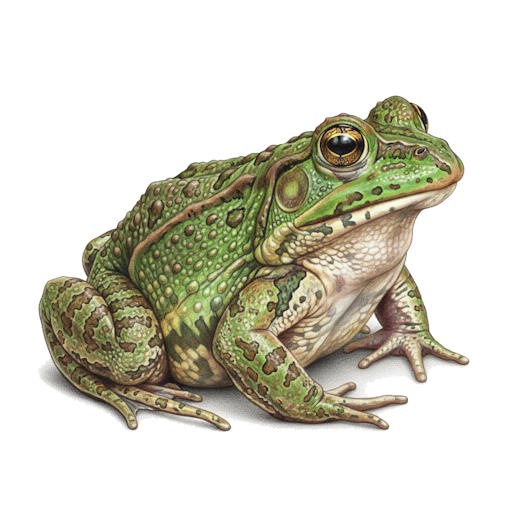
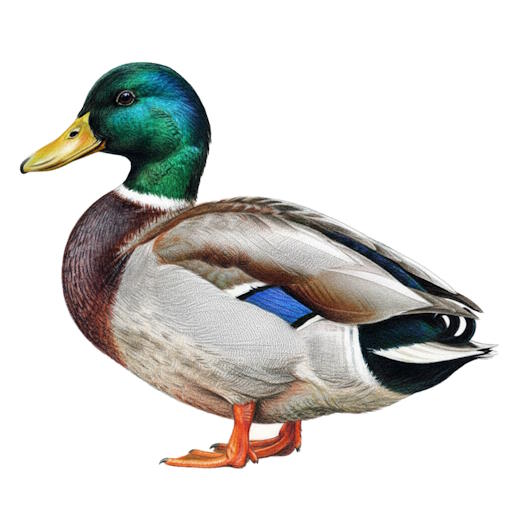
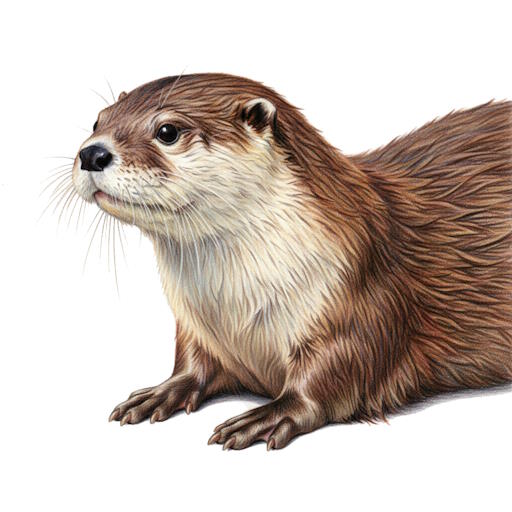
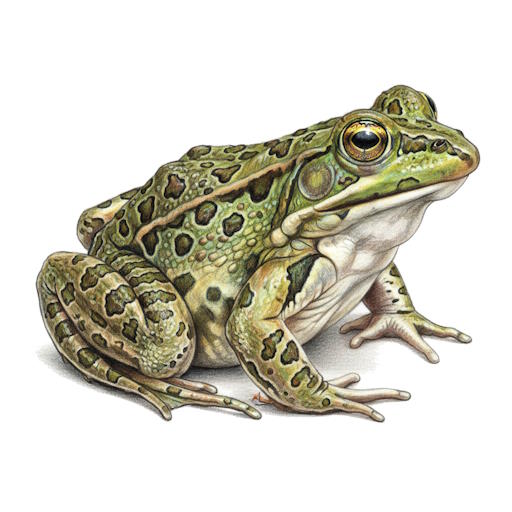
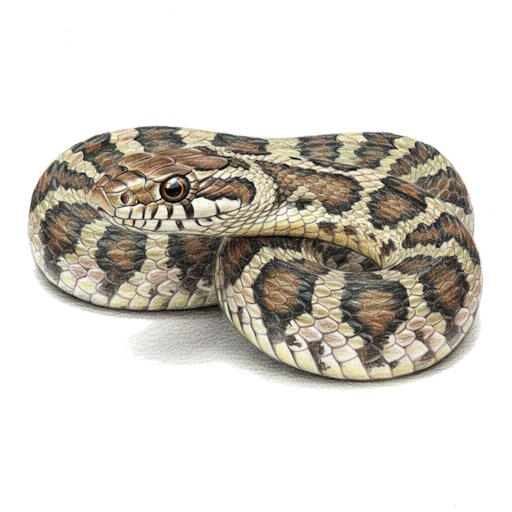
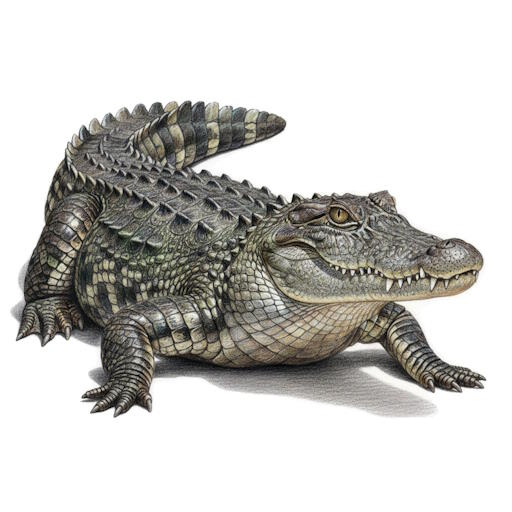
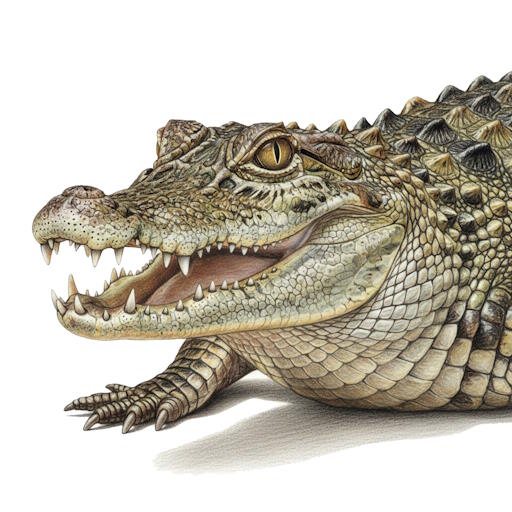
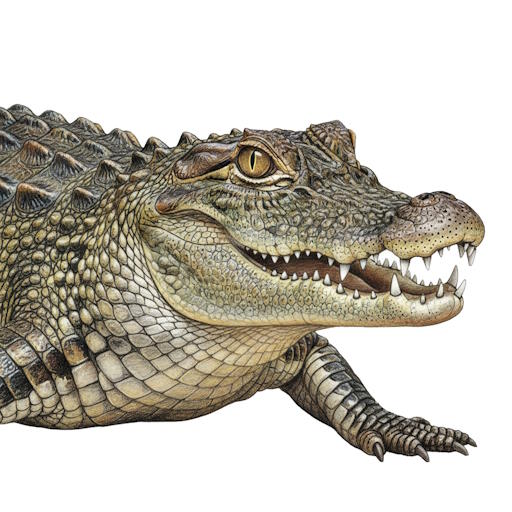
Animals which live in Lakes Habitat
Click on an image to learn more about one of the animals.