Mangrove swamps
Mangrove Swamps: Coastal Ecosystems of Remarkable Resilience
Mangrove swamps are unique and vital coastal ecosystems found in tropical and subtropical regions around the world. These extraordinary habitats are characterized by their ability to thrive in saline, oxygen-deficient conditions, typically along sheltered coastlines, estuaries, and river deltas. The dominant vegetation in these swamps consists of various species of mangrove trees, known for their specialized adaptations that allow them to tolerate saltwater and often anoxic soils.
One of the most distinguishing features of mangrove trees is their intricate root systems. These include prop roots that extend from the trunk into the water, providing stability in soft, muddy substrates, and pneumatophores, which are specialized aerial roots that protrude from the soil to facilitate gas exchange in anaerobic conditions. These complex root structures also play a crucial role in trapping sediments and stabilizing shorelines, effectively protecting coastal areas from erosion and storm surges.
Mangrove swamps are incredibly biodiverse, supporting a rich array of flora and fauna. The submerged roots provide a nursery ground and refuge for countless marine species, including fish, crustaceans, and mollusks, many of which are commercially important. Above the waterline, the dense canopy offers vital nesting and roosting sites for a wide variety of birds, while numerous reptiles, amphibians, and mammals also call these unique forests home. The intertidal nature of mangrove swamps creates a dynamic environment where terrestrial and aquatic life converge, leading to complex food webs and ecological interactions.
Beyond their ecological significance, mangrove swamps provide invaluable ecosystem services to human communities. Their role in coastal protection is paramount, acting as natural barriers against tsunamis, hurricanes, and coastal erosion. They also filter pollutants from land-based runoff, improving water quality in adjacent marine environments. Furthermore, mangroves sequester significant amounts of carbon, contributing to climate change mitigation. Locally, they support fisheries, provide timber and other forest products, and offer opportunities for ecotourism. Despite their immense value, mangrove ecosystems are under threat from deforestation, pollution, and climate change, highlighting the urgent need for their conservation and sustainable management.
Other Habitats
There are lots of other habitats to explore. Check out all of our habitats for more info.
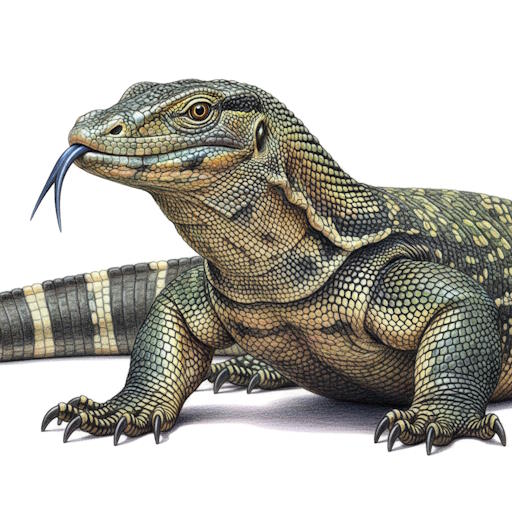
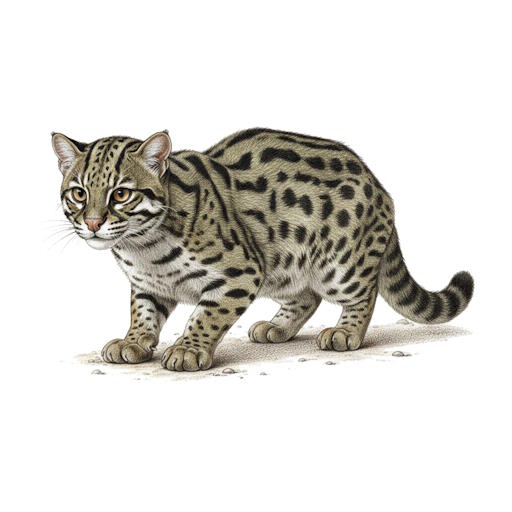
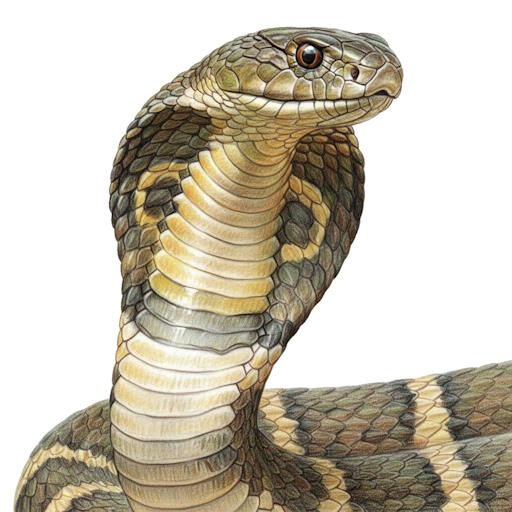
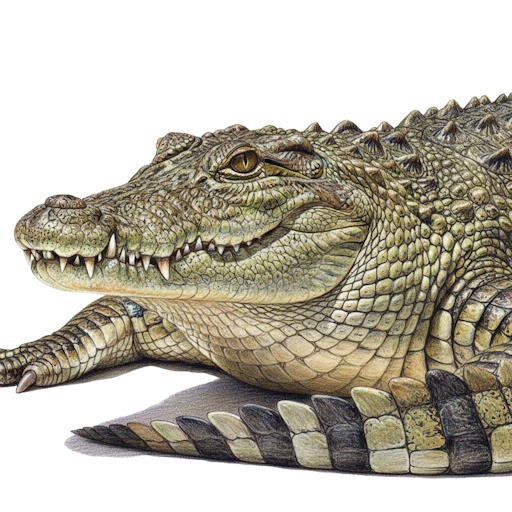
Animals which live in Mangrove swamps Habitat
Click on an image to learn more about one of the animals.