Mangroves
Mangroves are truly remarkable ecosystems, thriving in the harsh intertidal zones of tropical and subtropical coastlines worldwide. These unique forests, characterized by their salt-tolerant trees and shrubs, are a vital interface between land and sea. Their intricate root systems, often visible above the waterline, play a crucial role in stabilizing shorelines, preventing erosion, and filtering pollutants from terrestrial runoff before it reaches the ocean. This natural protective barrier makes mangrove forests invaluable defenders against storm surges and tsunamis, safeguarding coastal communities and infrastructure.
Beyond their protective qualities, mangroves are bustling hubs of biodiversity. The submerged roots provide a complex habitat and nursery ground for a diverse array of marine life, including fish, crabs, shrimp, and various invertebrates. Many commercially important fish species spend their juvenile stages within the sheltered waters of mangrove forests, making these areas critical for supporting local fisheries. Above the water, the canopies provide nesting and roosting sites for numerous bird species, while a variety of insects, reptiles, and mammals also call these unique forests home.
The specialized adaptations of mangrove trees allow them to flourish in conditions that would be lethal to most other plants. They possess mechanisms to cope with high salinity, such as salt excretion from their leaves or salt exclusion at the root level. Many species also have pneumatophores, specialized root extensions that grow upwards from the soil, enabling them to absorb oxygen in waterlogged, anaerobic soils. Their viviparous reproduction, where seeds germinate while still attached to the parent tree, allows seedlings to drop directly into the water or soft mud, increasing their chances of survival in the challenging environment.
Despite their ecological importance, mangrove ecosystems are under immense threat globally due to deforestation for aquaculture, agriculture, urban development, and climate change. The loss of mangroves has far-reaching consequences, impacting coastal protection, biodiversity, and the livelihoods of communities that depend on these rich habitats. Conservation efforts, including restoration projects and sustainable management practices, are crucial to protect and preserve these invaluable coastal treasures for future generations and the health of our planet's marine and coastal environments.
Other Habitats
There are lots of other habitats to explore. Check out all of our habitats for more info.
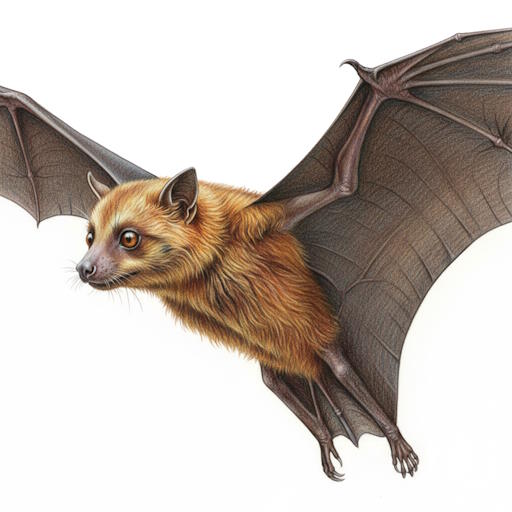
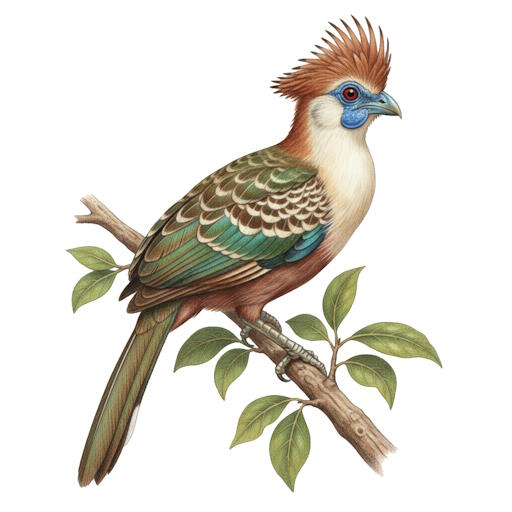
Animals which live in Mangroves Habitat
Click on an image to learn more about one of the animals.