Marine Environments
Marine environments are the vast and diverse aquatic habitats found in the world's oceans and seas. Covering over 70% of the Earth's surface, these environments are characterized by their saline water and are home to an incredible array of life, from microscopic plankton to the largest animals on Earth, such as whales.
The marine environment can be broadly divided into several zones. The coastal zone, or littoral zone, is the area where land meets the sea, including intertidal zones, estuaries, and coral reefs. This zone is highly productive and supports a rich biodiversity due to the abundance of light and nutrients. Moving offshore, the open ocean is known as the pelagic zone. This vast area is further subdivided into different layers based on depth and light penetration: the epipelagic (sunlight zone), mesopelagic (twilight zone), bathypelagic (midnight zone), abyssalpelagic (abyssal zone), and hadalpelagic (hadal zone, found in the deepest trenches). Each zone has unique conditions that support specialized life forms.
Beneath the pelagic zone lies the benthic zone, which encompasses the seafloor, from shallow coastal areas to the deep ocean trenches. Benthic habitats vary greatly and include sandy bottoms, rocky reefs, seagrass beds, and hydrothermal vents. These diverse substrates provide homes for a wide range of bottom-dwelling organisms, including crustaceans, mollusks, echinoderms, and various species of fish.
Key physical characteristics of marine environments include salinity, temperature, pressure, and light availability. Salinity, typically around 3.5%, influences the types of organisms that can survive in marine waters. Temperature varies significantly, from the frigid waters of the polar regions to the warm tropical seas. Pressure increases dramatically with depth, leading to unique adaptations in deep-sea creatures. Light is a critical factor, as photosynthesis, the base of most marine food webs, can only occur in the sunlit upper layers (photic zone).
Marine ecosystems play a crucial role in global processes, including climate regulation, nutrient cycling, and oxygen production. Phytoplankton, microscopic marine plants, are responsible for generating a significant portion of the Earth's oxygen and absorbing large amounts of carbon dioxide. The health of marine environments is vital for the well-being of the planet and human populations, providing food, regulating climate, and offering recreational opportunities. However, these environments face numerous threats, including pollution, overfishing, habitat destruction, and climate change, which are impacting marine biodiversity and ecosystem functions worldwide.
Other Habitats
There are lots of other habitats to explore. Check out all of our habitats for more info.
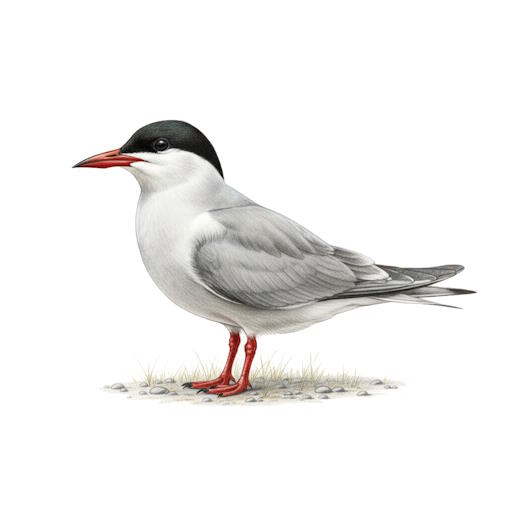
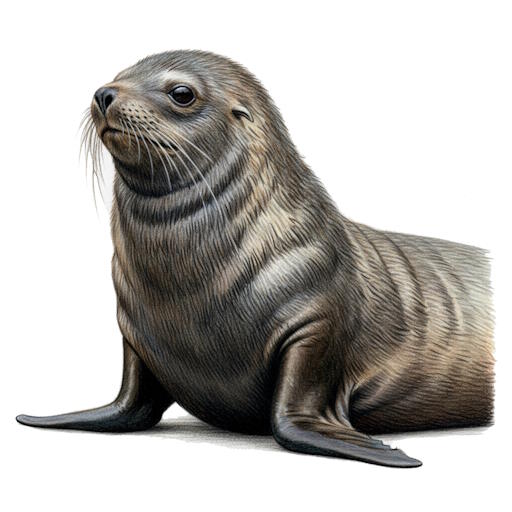
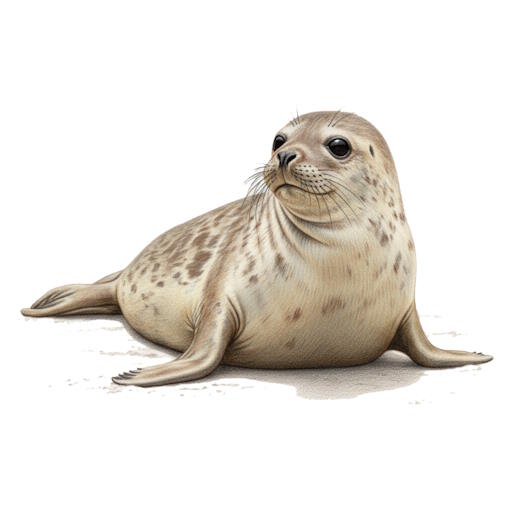
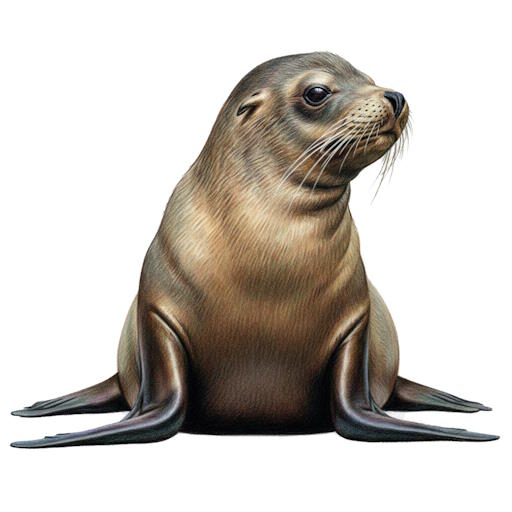
Animals which live in Marine Environments Habitat
Click on an image to learn more about one of the animals.