Meadows
Meadows are vital and vibrant ecosystems characterized by open fields dominated by grasses and wildflowers, rather than by trees or shrubs. These rich, biodiverse habitats play a crucial role in supporting a wide array of plant and animal life, making them ecological hotspots. From sprawling alpine meadows nestled high in mountain ranges to coastal meadows along the edges of oceans, these landscapes offer unique environmental conditions that foster specific communities of flora and fauna.
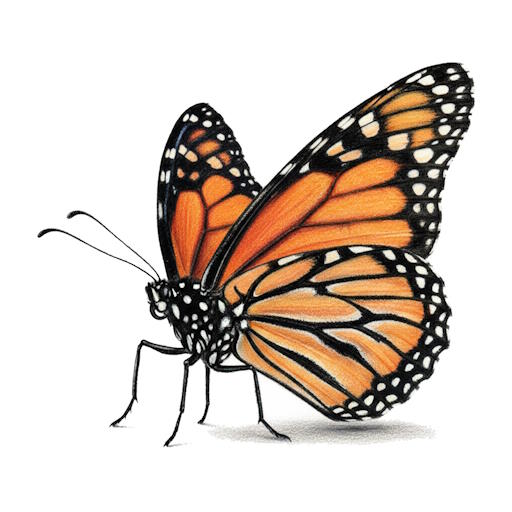
Ecologically, meadows are often transitional zones between forests and more open areas, or they can be maintained by natural disturbances like fire, grazing by herbivores, or specific climatic conditions. Their open structure allows for abundant sunlight, which in turn supports a lush growth of herbaceous plants. This rich vegetation provides essential food sources and shelter for numerous species, from small insects and rodents to larger mammals and birds. Pollinators, such as bees and butterflies, are particularly drawn to meadows due to the profusion of flowering plants, making these areas critical for their life cycles and the overall health of surrounding ecosystems.
Meadows exhibit a wide range of types, each with distinct characteristics. For instance, wet meadows are often found near rivers or lakes and are characterized by moisture-loving plants. Dry meadows, on the other hand, occur in drier regions and feature drought-tolerant grasses and wildflowers. Alpine meadows, found at high altitudes, are adapted to harsh conditions with short growing seasons and extreme temperatures. Human activities, such as hay cutting and traditional grazing practices, have also historically shaped many meadow landscapes, maintaining their open nature and preventing forest encroachment.
Beyond their ecological importance, meadows offer significant aesthetic and recreational value. Their scenic beauty, especially during peak flowering seasons, attracts hikers, photographers, and nature enthusiasts. They also provide crucial ecosystem services, including water filtration, soil stabilization, and carbon sequestration. However, many meadow habitats worldwide are threatened by urban development, agricultural conversion, invasive species, and altered fire regimes. Conservation efforts are increasingly focused on preserving and restoring these valuable ecosystems to protect their biodiversity and the myriad benefits they provide.
Other Habitats
There are lots of other habitats to explore. Check out all of our habitats for more info.
Animals which live in Meadows Habitat
Click on an image to learn more about one of the animals.